


Using a stated preference discrete choice experiment to assess societal value from the perspective of patients with rare diseases in Italy
- PMID: 31242905
- PMCID: PMC6595697
- DOI: 10.1186/s13023-019-1126-1
Using a stated preference discrete choice experiment to assess societal value from the perspective of patients with rare diseases in Italy
Abstract
Background: Decision makers have huge problems when attempting to attribute social value to the improvements achieved by new drugs, especially when considering the use of orphan drugs for rare diseases. We present the results of a pilot study aimed to investigate patient preferences regarding public funding for drugs used to treat rare diseases.
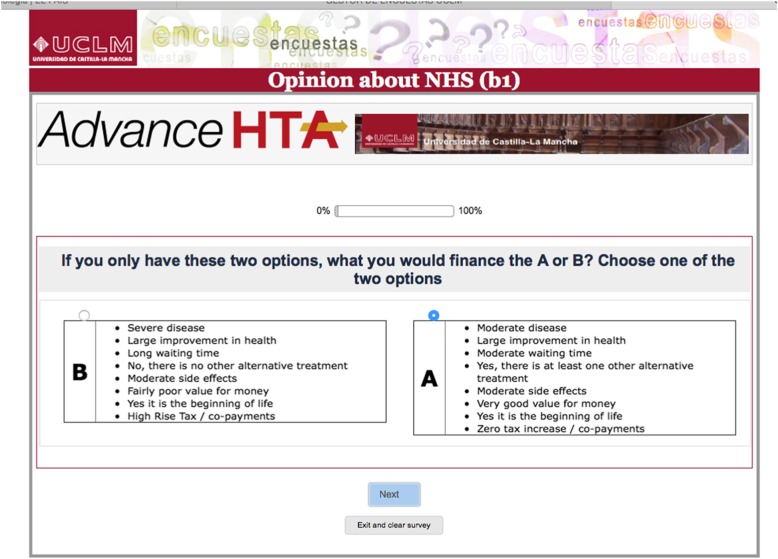
Methods: An online questionnaire was used as a discrete choice experiment (DCE) survey to explore the preferences of patients with cystic fibrosis and haemophilia in Italy. The questionnaire focused on relevant issues that were defined in a review of the literature. A conditional logistic model showed preferences for specific attributes.
Results: A total of 54 questionnaires (20% response rate) were completed. The issues that received the greatest attention were improvement in health, treatment cost and value for money. However, disease severity and the availability of other treatments were important social values that could not be ignored.
Conclusions: The findings presented here provide evidence as to what patients with cystic fibrosis or haemophilia think are the most important considerations on which to base decisions in health technology scenarios, and regarding the priorities for funding.
Keywords: Cystic fibrosis; Decision making; Discrete choice experiment; Haemophilia; Italy; Orphan drugs; Rare disease.
Conflict of interest statement
The authors declare that they have no competing interests.
References
-
- Devlin NJ, Sussex J. Incorporating multiple criteria in HTA – Methods and processes. London: Office of health economics; 2011.
Publication types
MeSH terms
LinkOut - more resources
Full Text Sources
Medical
