


Maximal-Effort Cytoreductive Surgery for Ovarian Cancer Patients with a High Tumor Burden: Variations in Practice and Impact on Outcome
- PMID: 31243666
- PMCID: PMC6682567
- DOI: 10.1245/s10434-019-07516-3
Maximal-Effort Cytoreductive Surgery for Ovarian Cancer Patients with a High Tumor Burden: Variations in Practice and Impact on Outcome
Abstract
Background: This study aimed to compare the outcomes of two distinct patient populations treated within two neighboring UK cancer centers (A and B) for advanced epithelial ovarian cancer (EOC).
Methods: A retrospective analysis of all new stages 3 and 4 EOC patients treated between January 2013 and December 2014 was performed. The Mayo Clinic surgical complexity score (SCS) was applied. Cox regression analysis identified the impact of treatment methods on survival.
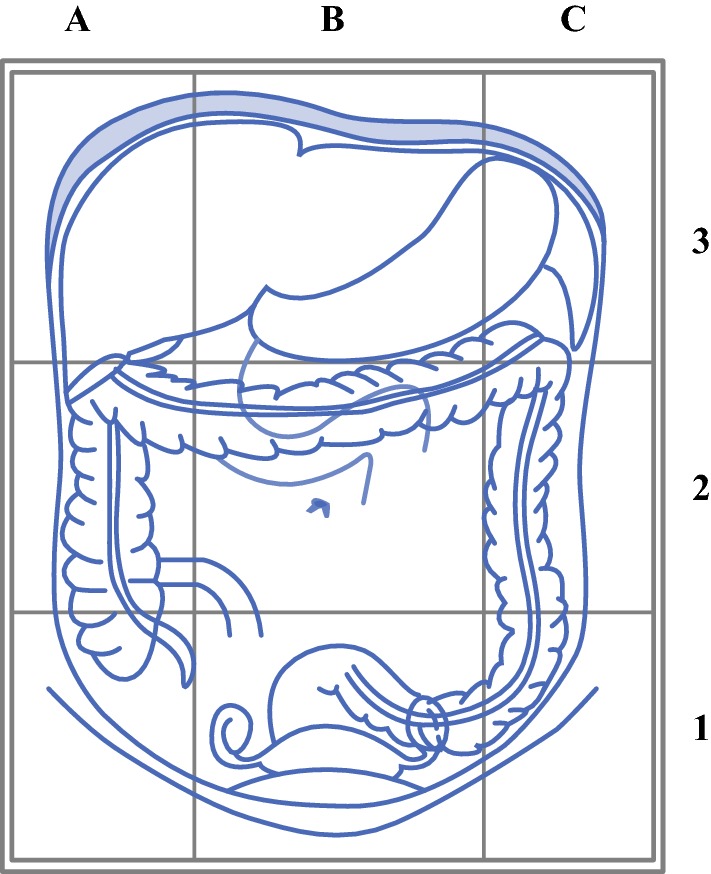
Results: The study identified 249 patients (127 at center A and 122 in centre B) without significant differences in International Federation of Gynecology and Obstetrics (FIGO) stage (FIGO 4, 29.7% at centers A and B), Eastern Cooperative Oncology Group (ECOG) performance status (ECOG < 2, 89.9% at centers A and B), or histology (serous type in 84.1% at centers A and B). The patients at center A were more likely to undergo surgery (87% vs 59.8%; p < 0.001). The types of chemotherapy and the patients receiving palliative treatment alone were equivalent between the two centers (3.6%). The median SCS was significantly higher at center A (9 vs 2; p < 0.001) with greater tumor burden (9 vs 6 abdominal fields involved; p < 0.001), longer median operation times (285 vs 155 min; p < 0.001), and longer hospital stays (9 vs 6 days; p < 0.001), but surgical morbidity and mortality were equivalent. The independent predictors of reduced overall survival (OS) were non-serous histology (hazard ratio [HR], 1.6; 95% confidence interval [CI] 1.04-2.61), ECOG higher than 2 (HR, 1.9; 95% CI 1.15-3.13), and palliation alone (HR, 3.43; 95% CI 1.51-7.81). Cytoreduction, of any timing, had an independent protective impact on OS compared with chemotherapy alone (HR, 0.31 for interval surgery and 0.39 for primary surgery), even after adjustment for other prognostic factors.
Conclusions: Incorporating surgery into the initial EOC management, even for those patients with a greater tumor burden and more disseminated disease, may require more complex procedures and more resources in terms of theater time and hospital stay, but seems to be associated with a significant prolongation of the patients overall survival compared with chemotherapy alone.
Conflict of interest statement
The authors declare that they have no conflict of interest.
Figures

Comment in
-
Denominator Based Studies Need Full Disclosure of the Origins of Patients Treated.Ann Surg Oncol. 2019 Dec;26(Suppl 3):876. doi: 10.1245/s10434-019-07651-x. Epub 2019 Jul 31. Ann Surg Oncol. 2019. PMID: 31368015 No abstract available.
-
ASO Author Reflections: Value of Cytoreduction in Extensive Ovarian Cancer-Does Surgical Effort Still Matter?Ann Surg Oncol. 2019 Dec;26(Suppl 3):786-787. doi: 10.1245/s10434-019-07947-y. Epub 2019 Oct 11. Ann Surg Oncol. 2019. PMID: 31605337 Free PMC article. No abstract available.
References
-
- Aletti GD, Dowdy SC, Gostout BS, et al. Aggressive surgical effort and improved survival in advanced-stage ovarian cancer. Am J Obstet Gynecol. 2006;107:77–85. doi: 10.1097/01.AOG.0000192407.04428.bb. - DOI - PubMed
-
- Horowitz NS, Miller A, Rungruang B, et al. Does aggressive surgery improve outcomes? Interaction between preoperative disease burden and complex surgery in patients with advanced-stage ovarian cancer: an analysis of GOG 182. J Clin Oncol. 2015;33:937–943. doi: 10.1200/JCO.2014.56.3106. - DOI - PMC - PubMed
-
- Tseng JH, Cowan RA, Zhou Q, et al. Continuous improvement in primary debulking surgery for advanced ovarian cancer: do increased complete gross resection rates independently lead to increased progression-free and overall survival? Gynecol Oncol. 2018;151:24–31. doi: 10.1016/j.ygyno.2018.08.014. - DOI - PMC - PubMed
Publication types
MeSH terms
LinkOut - more resources
Full Text Sources
Medical
