


A Comparative Study of the Anticancer Activity and PARP-1 Inhibiting Effect of Benzofuran-Pyrazole Scaffold and Its Nano-Sized Particles in Human Breast Cancer Cells
- PMID: 31261939
- PMCID: PMC6650948
- DOI: 10.3390/molecules24132413
A Comparative Study of the Anticancer Activity and PARP-1 Inhibiting Effect of Benzofuran-Pyrazole Scaffold and Its Nano-Sized Particles in Human Breast Cancer Cells
Abstract
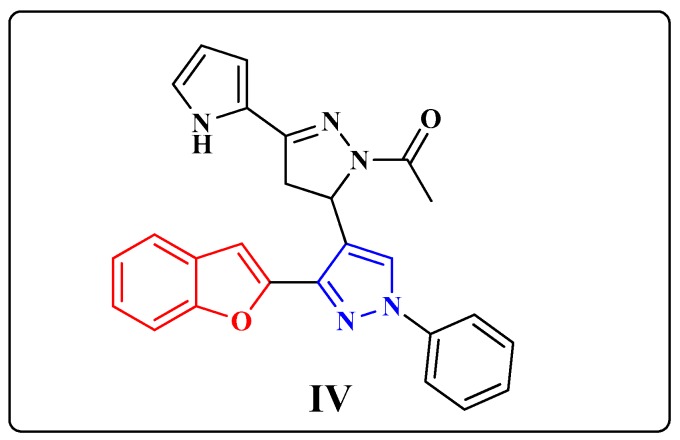
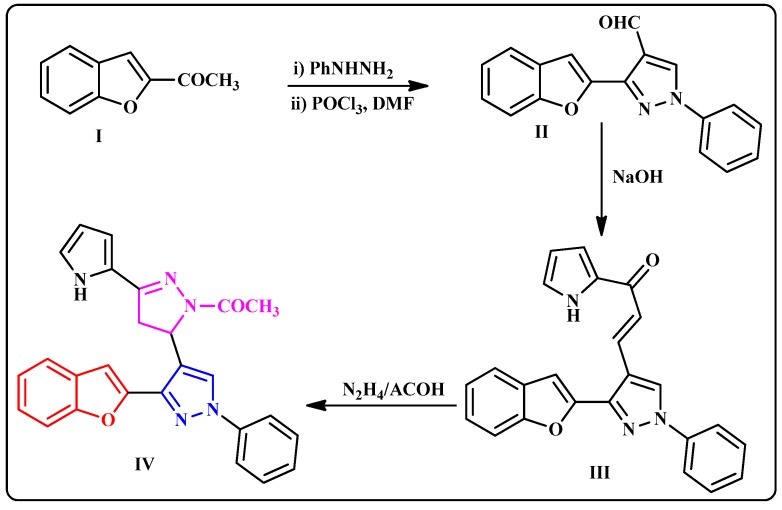
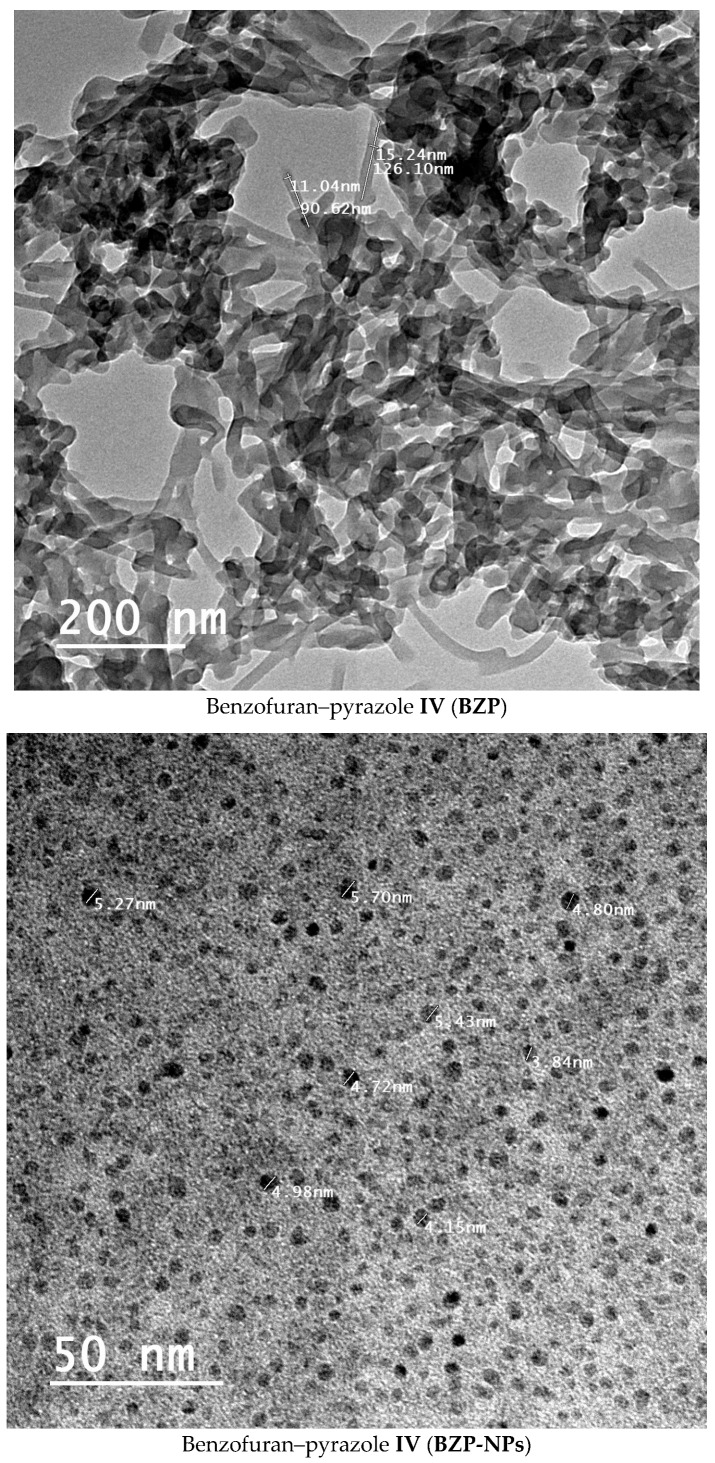
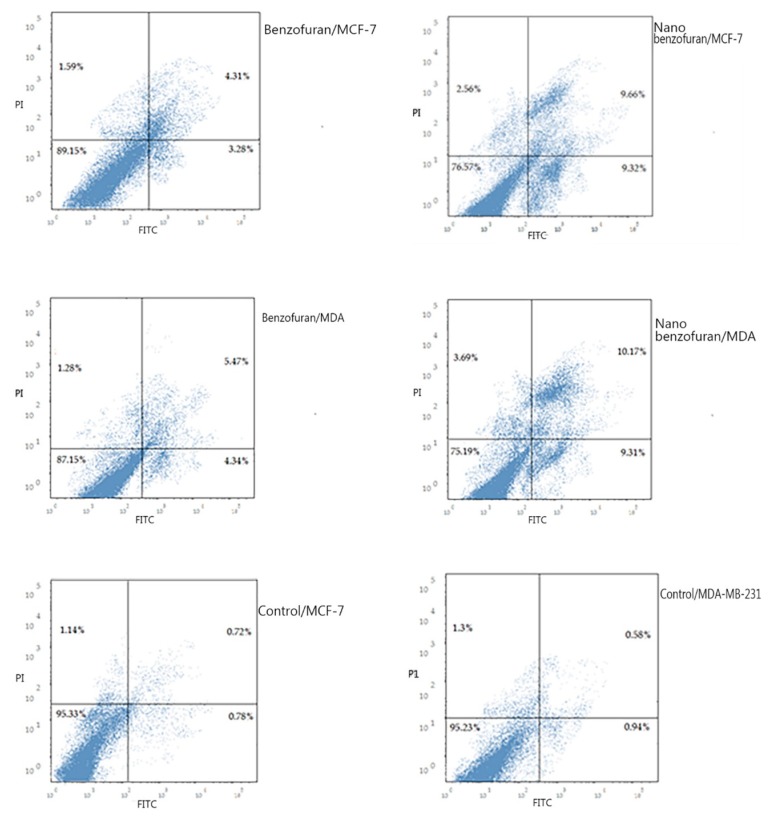
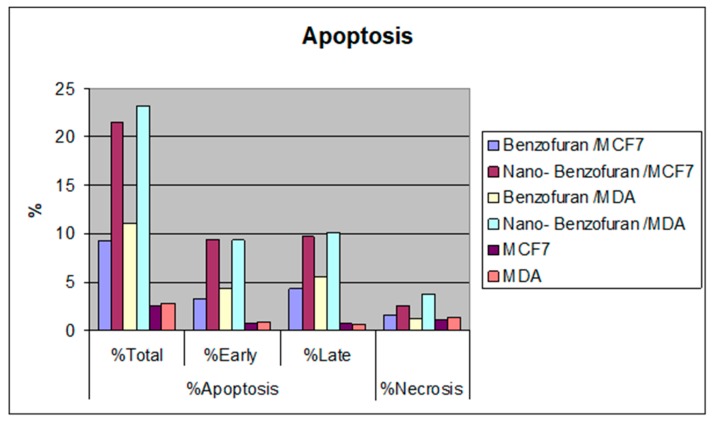
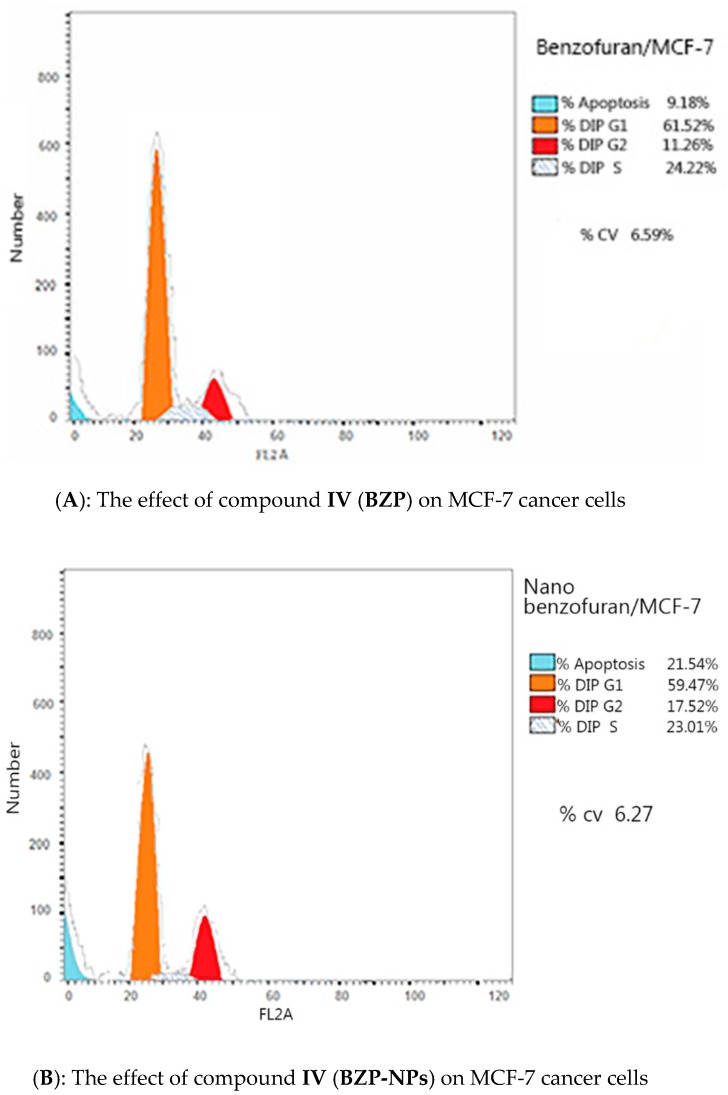
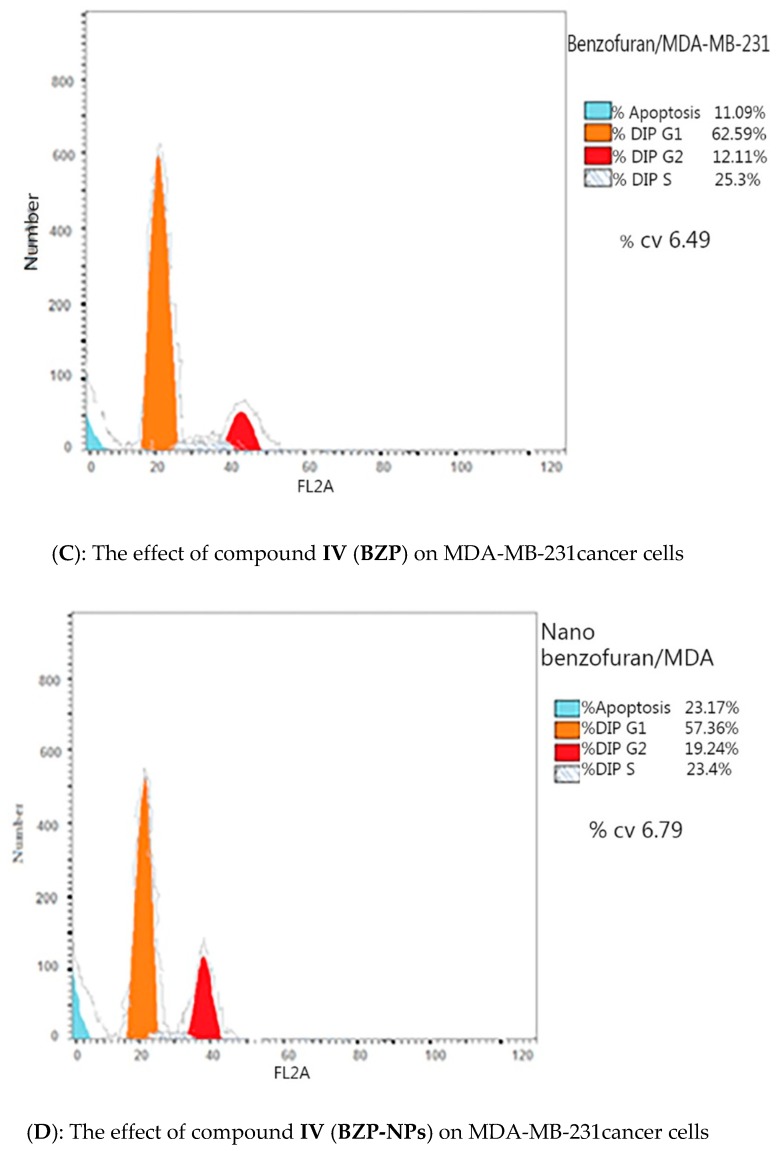
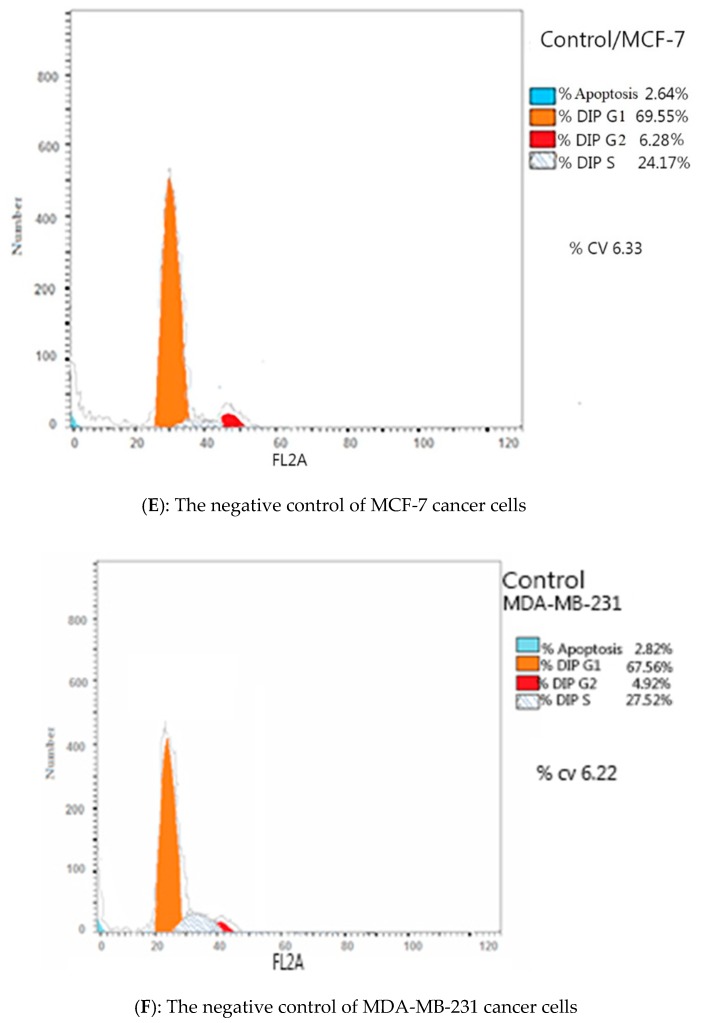
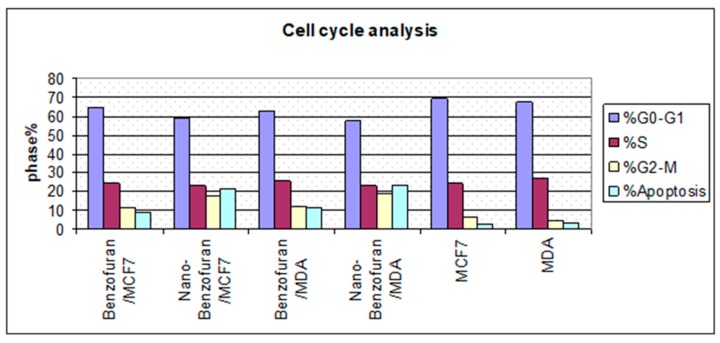
Breast cancer is considered the most common and deadly cancer among women worldwide. Nanomedicine has become extremely attractive in the field of cancer treatment. Due to the high surface to volume ratio and other unique properties, nanomaterials can be specifically targeted to certain cells and tissues to interact with the living systems. The strategic planning of this study is based on using the nanoprecipitation method to prepare nanoparticles BZP-NPs (3.8-5.7 nm) of the previously prepared benzofuran-pyrazole compound (IV) BZP which showed promising cytotoxic activity. The capacity of BZP and BZP-NPs to suppress the growth of human breast tumor MCF-7 and MDA-MB-231 cells was evaluated using MTT assay. The IC50 doses of BZP and BZP-NPs targeting normal breast cells MCF-12A exceeded those targeting the cancer cells by >1000-fold, demonstrating their reasonable safety profiles in normal cells. Furthermore, cell cycle analysis, apoptosis induction detection, assessment of p53, Bcl-2, caspase-3, and PARP-1 levels of BZP and its nano-sized-BZP-NPs particles were also evaluated. Although the obtained results were in the favor of compound IV in its normal-sized particles, BZP-NPs appeared as a hit compound which showed improved cytotoxicity against the tested human breast cancer cells associated with the induction of pre-G1 apoptosis as well as cell cycle arrest at G2/M phase. The increase in caspase-3 level, upregulation of p53, and downregulation of Bcl-2 protein expression levels confirmed apoptosis. Furthermore, ELISA results exhibited that BZP-NPs produced a more favorable impact as a PARP-1 enzyme inhibitor than the parent BZP.
Keywords: PARP-1 inhibition; apoptosis; benzofuran–pyrazole; breast cancer; cytotoxic activity; nanoparticles.
Conflict of interest statement
The authors declare no conflict of interest.
Figures
References
-
- Giordano M.C., Rovitoa D., Baroneb I., Mancusoc R., Bonofigliob D., Giordanob F., Catalanob S., Gabrielec B., Andòa S. Benzofuran-2-acetic ester derivatives induce apoptosis in breastcancer cells by upregulating p21Cip/WAF1gene expression inp53-independent manner. DNA Repair. 2017;51:20–30. doi: 10.1016/j.dnarep.2017.01.006. - DOI - PubMed
-
- Kassab A.E., Gedawy E.M., El-Nassan H.B. Synthesis of 4-heteroaryl-quinazoline derivatives as potential anti-breast cancer agents. J. Heterocycl. Chem. 2017;54:624–633. doi: 10.1002/jhet.2634. - DOI
-
- Amin K.M., Syam Y.M., Anwar M.M., Ali H.I., Abdel-Ghani T.M., Serry A.M. Synthesis and molecular docking study of new benzofuran and furo[3,2-g]chromone-based cytotoxic agents against breast cancer and p38α MAP kinase inhibitors. Bioorg. Chem. 2018;76:487–500. doi: 10.1016/j.bioorg.2017.12.029. - DOI - PubMed
Publication types
MeSH terms
Substances
Grants and funding
LinkOut - more resources
Full Text Sources
Medical
Research Materials
Miscellaneous
