High Rates of Premature and Potentially Preventable Death among Patients Surviving Melioidosis in Tropical Australia
- PMID: 31264566
- PMCID: PMC6685575
- DOI: 10.4269/ajtmh.19-0375
High Rates of Premature and Potentially Preventable Death among Patients Surviving Melioidosis in Tropical Australia
Abstract
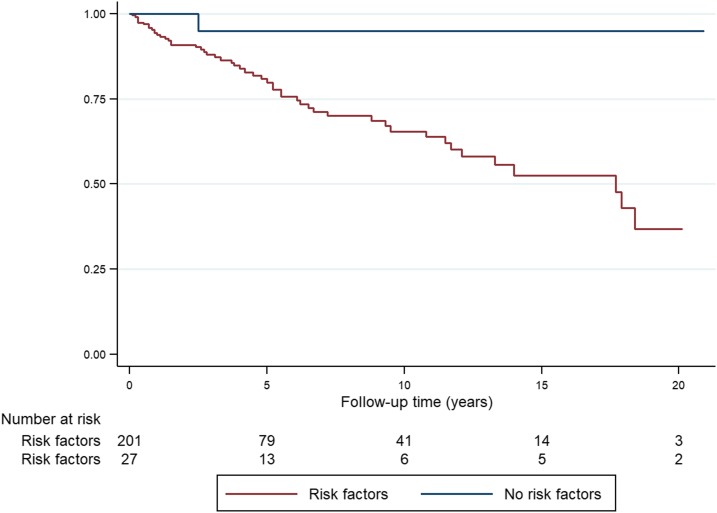
Although the in-hospital mortality of Australian patients with melioidosis continues to decline, the ensuing clinical course of survivors is poorly described. Between January 1, 1998, and January 31, 2019, 228 patients in Cairns, tropical Australia, survived their hospitalization with melioidosis; however, 52 (23%) subsequently died. Death occurred at a median of 3.8 years after discharge, with patients dying at a mean age of 59 years. Only 1/27 (4%) without predisposing conditions for melioidosis died during follow-up, versus 51/201 (25%) with these comorbidities (P = 0.01). Death during follow-up was more likely in patients with chronic lung disease (OR [95% CI]: 4.05 (1.84-8.93, P = 0.001) and chronic kidney disease (OR [95% CI]: 2.87 [1.33-6.20], P = 0.007), and was most commonly due to infection and macrovascular disease. A significant proportion of Australians surviving hospitalization with melioidosis will die soon after discharge, usually prematurely and frequently from preventable conditions. A more holistic approach is required to their care.
Figures
References
-
- Limmathurotsakul D, et al. 2016. Predicted global distribution of Burkholderia pseudomallei and burden of melioidosis. Nat Microbiol 1: pii: 15008. - PubMed
-
- Stephens DP, Thomas JH, Ward LM, Currie BJ, 2016. Melioidosis causing critical illness: a review of 24 Years of experience from the royal Darwin Hospital ICU. Crit Care Med 44: 1500–1505. - PubMed
-
- Cheng AC, Wuthiekanun V, Limmathurotsakul D, Chierakul W, Peacock SJ, 2008. Intensity of exposure and incidence of melioidosis in Thai children. Trans R Soc Trop Med Hyg 102 (Suppl 1): S37–S39. - PubMed
MeSH terms
LinkOut - more resources
Full Text Sources