. 2019 Oct 1;76(10):1026-1034.
doi: 10.1001/jamapsychiatry.2019.1335.

Association of Schizophrenia Risk With Disordered Niacin Metabolism in an Indian Genome-wide Association Study

Affiliations

Association of Schizophrenia Risk With Disordered Niacin Metabolism in an Indian Genome-wide Association Study

Sathish Periyasamy et al. JAMA Psychiatry. .

Abstract

Importance: Genome-wide association studies (GWASs) in European populations have identified more than 100 schizophrenia-associated loci. A schizophrenia GWAS in a unique Indian population offers novel findings.

Objective: To discover and functionally evaluate genetic loci for schizophrenia in a GWAS of a unique Indian population.

Design, setting, and participants: This GWAS included a sample of affected individuals, family members, and unrelated cases and controls. Three thousand ninety-two individuals were recruited and diagnostically ascertained via medical records, hospitals, clinics, and clinical networks in Chennai and surrounding regions. Affected participants fulfilled DSM-IV diagnostic criteria for schizophrenia. Unrelated control participants had no personal or family history of psychotic disorder. Recruitment, genotyping, and analysis occurred in consecutive phases beginning January 1, 2001. Recruitment was completed on February 28, 2018, and genotyping and analysis are ongoing.

Main outcomes and measures: Associations of single-nucleotide polymorphisms and gene expression with schizophrenia.

Results: The study population included 1321 participants with schizophrenia, 885 family controls, and 886 unrelated controls. Among participants with schizophrenia, mean (SD) age was 39.1 (11.4) years, and 52.7% were male. This sample demonstrated uniform ethnicity, a degree of inbreeding, and negligible rates of substance abuse. A novel genome-wide significant association was observed between schizophrenia and a chromosome 8q24.3 locus (rs10866912, allele A; odds ratio [OR], 1.27 [95% CI, 1.17-1.38]; P = 4.35 × 10⁻⁸) that attracted support in the schizophrenia Psychiatric Genomics Consortium 2 data (rs10866912, allele A; OR, 1.04 [95% CI, 1.02-1.06]; P = 7.56 × 10⁻⁴). This locus has undergone natural selection, with the risk allele A declining in frequency from India (approximately 72%) to Europe (approximately 43%). rs10866912 directly modifies the abundance of the nicotinate phosphoribosyltransferase gene (NAPRT1) transcript in brain cortex (normalized effect size, 0.79; 95% CI, 0.6-1.0; P = 5.8 × 10⁻¹³). NAPRT1 encodes a key enzyme for niacin metabolism. In Indian lymphoblastoid cell lines, (risk) allele A of rs10866912 was associated with NAPRT1 downregulation (AA: 0.74, n = 21; CC: 1.56, n = 17; P = .004). Preliminary zebrafish data further suggest that partial loss of function of NAPRT1 leads to abnormal brain development.

Conclusions and relevance: Bioinformatic analyses and cellular and zebrafish gene expression studies implicate NAPRT1 as a novel susceptibility gene. Given this gene's role in niacin metabolism and the evidence for niacin deficiency provoking schizophrenialike symptoms in neuropsychiatric diseases such as pellagra and Hartnup disease, these results suggest that the rs10866912 genotype and niacin status may have implications for schizophrenia susceptibility and treatment.


Conflict of interest statement

Conflict of Interest Disclosures: Dr Nancarrow reported receiving grants from the Australian National Health and Medical Research Council (NHMRC) during the conduct of the study. Dr Tirupati reported receiving grants from the Australian NHMRC during the conduct of the study. Dr Wray reported receiving grants from the Australian NHMRC during the conduct of the study. Dr Mowry reported receiving grants from the Australian NHMRC during the conduct of the study. No other disclosures were reported.

Figures

Figure 1.
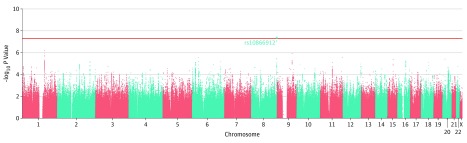
Figure 1.. Manhattan Plot of Observed Schizophrenia Association Signals
Manhattan plot shows genome-wide schizophrenia associations in 3092 individuals (1321 cases and 1771 controls) from Tamil Nadu, India. The phase three 1000 Genome Project South Asian population was used to calculate linkage disequilibrium. The x-axis shows the chromosomal position, and the y-axis shows the significance of association (−log10P value). The horizontal red line represents the level of genome-wide significance (P = 5 × 10−8). Our top genome-wide significant locus is situated on chromosome 8q24.3 (rs10866912, P = 4.35 × 10−8).
Figure 2.
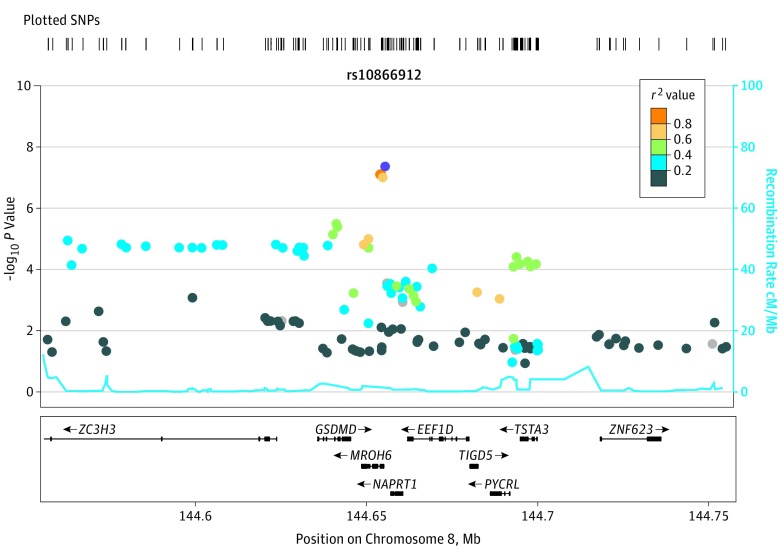
Figure 2.. Regional Plot of Chromosome 8q24.3 Locus (100-Kilobase Window)
The index single-nucleotide polymorphism (SNP) rs10866912 is colored purple, with other SNPs colored according to the degree of linkage disequilibrium (measured by r2 value) with the index SNP. SNPs with missing linkage disequilibrium information are shown in gray. The x-axis shows the SNP locus position on chromosome 8 (GRCh37/hg19 build). The y-axis shows the significance of association (−log10 P value) in our Indian population. Nine genes are located within the 100-kilobase window, with the direction of transcription (upstream/downstream) being annotated with arrows. cM indicates centimorgans; Mb, megabase.
Figure 3.
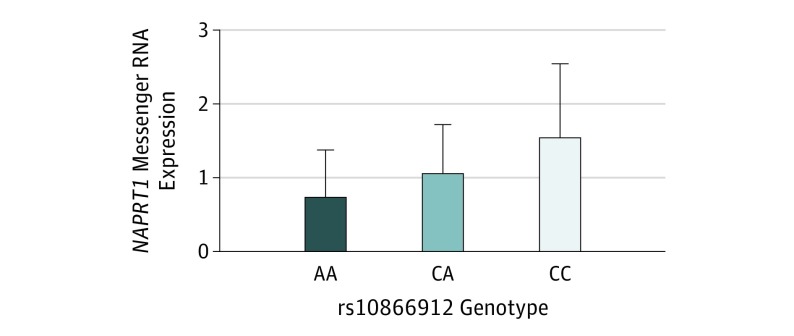
Figure 3.. Expression of NAPRT1 in Indian Lymphoblastoid Cell Lines
Expression of NAPRT1 was analyzed in lymphoblastoid cell lines from 20 individuals (10 cases and 10 controls) of each rs10866912 genotype, including AA homozygous for risk allele, CA heterozygous, and CC homozygous for the protective allele. NAPRT1 expression shows a dose-response association with the rs10866912 genotype in these samples, with the A risk allele downregulating expression. P = .004 for AA vs CC.
Figure 4.
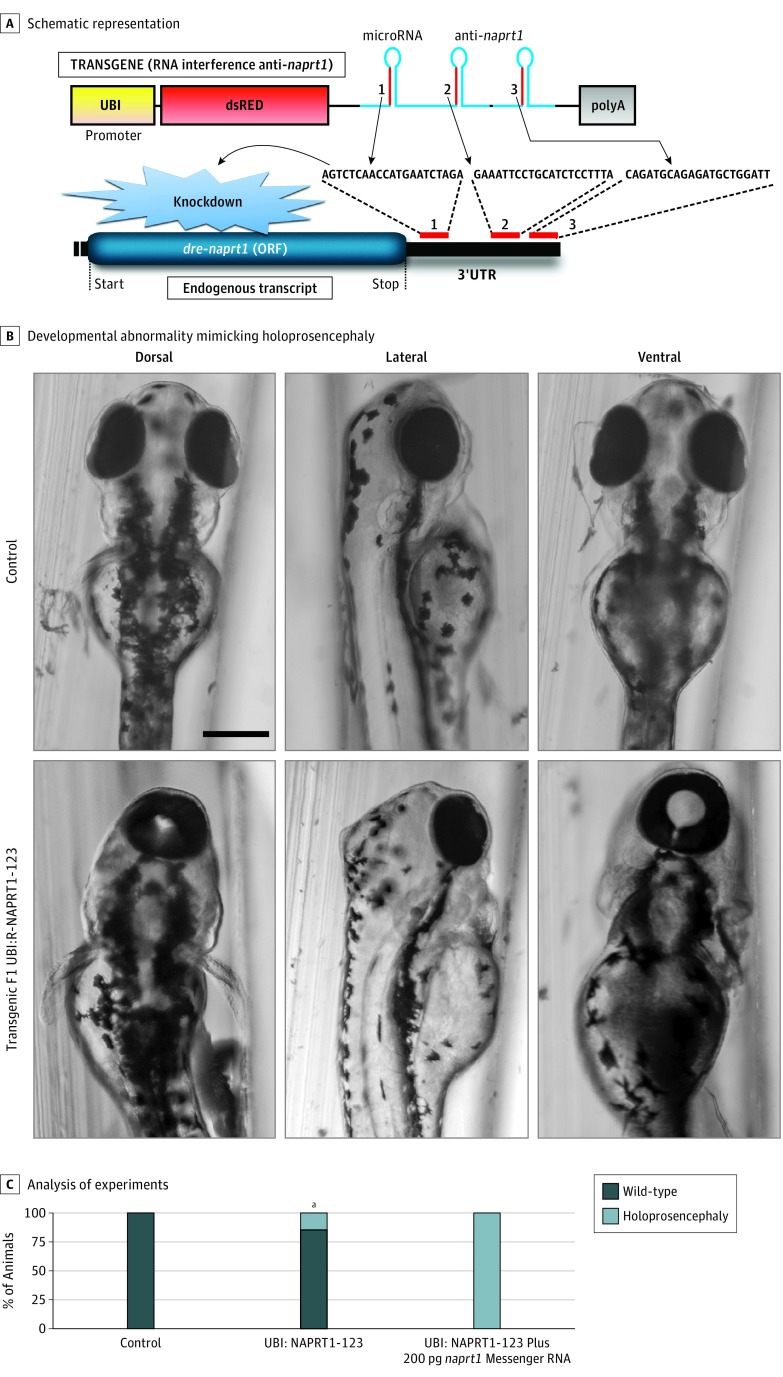
Figure 4.. In Vivo Functional Analysis of Zebrafish naprt1 Loss of Function
A, Schematic representation of the F1 line UBI:NAPRT1-123 transgene used to generate stable transgenic naprt1 knockdown in zebrafish. B, Transgenic F1 UBI:NAPRT1-123 fish present a developmental abnormality mimicking holoprosencephaly. Black bar indicates 50 μm. C, Rescue experiments demonstrated that injection of dre-naprt1 (with a custom 3′UTR not recognized by the anti-naprt1 microRNAs) rescued the holoprosencephaly observed in the F1 UBI:NAPRT1-123 clutches. Analysis was performed 3 times with 50 animals per condition. ORF indicates open reading frame. aP ≤ .02 compared with control.
Figure 5.
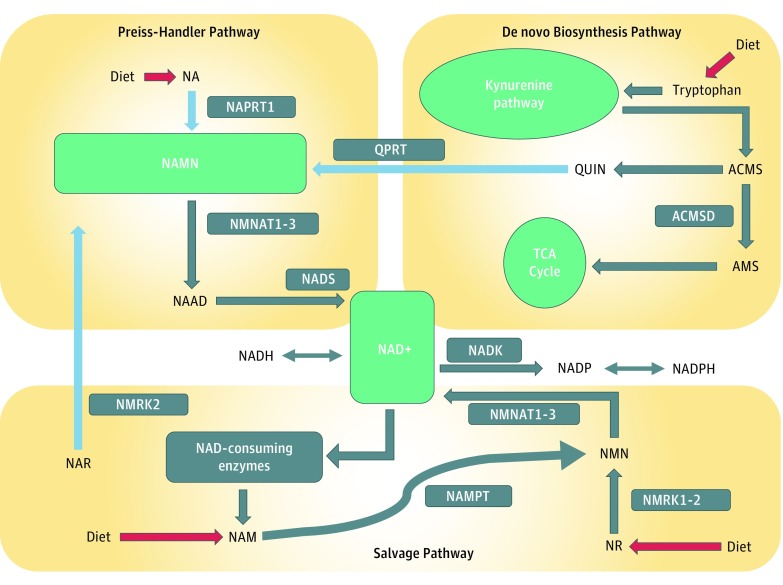
Figure 5.. Nicotinamide Adenine Dinucleotide (NAD+) Biosynthetic Pathways
Nicotinic acid mononucleotide (NAMN) levels are maintained by 3 independent pathways (see light blue arrows). First, the Preiss-Handler pathway uses dietary nicotinic acid (NA) and the enzyme nicotinic acid phosphoribosyltransferase (NAPRT1) to generate NAMN, which is then transformed into nicotinic acid adenine dinucleotide (NAAD) by NAMN transferase (NMNAT) and finally into NAD+ by NAD+ synthase (NADS). Second, the de novo synthesis pathway of NAD+ from tryptophan occurs through the kynurenine pathway to produce 2-amino-3-carboxymuconate semialdehyde (ACMS). This metabolite is converted nonenzymatically into quinolinc acid (QUIN), which is transformed into NAMN by quinolinate phosphoribosyltransferase (QPRT). Third, nicotinic acid riboside (NAR) is converted into NAMN by nicotinamide riboside kinase (NMRK2). The second and third pathways converge with the Preiss-Handler pathway via NAMN. The NAD salvage pathway recycles the nicotinamide generated as a by-product of the enzymatic activities of NAD+-consuming enzymes. Nicotinamide phosphoribosyltransferase (NAMPT) recycles nicotinamide into nicotinamide mononucleotide (NMN). NAD+ is converted to nicotinamide adenine dinucleotide phosphate (NADP) by NAD+ kinase (NADK). Pathways are described at https://reactome.org/content/detail/R-HSA-197264 and by Verdin et al. ACMSD indicates aminocarboxymuconate semialdehyde decarboxylase; AMS, α-aminomuconate semialdehyde; NADH, reduced form of nicotinamide adenine dinucleotide; NADPH, reduced form of nicotinamide adenine dinucleotide phosphate; NAM, nicotinamide; NR, nicotinamide riboside; and TCA, tricarboxylic acid cycle.

Comment in

References

    1. Saha S, Chant D, Welham J, McGrath J. A systematic review of the prevalence of schizophrenia. PLoS Med. 2005;2(5):e141. doi:10.1371/journal.pmed.0020141 - DOI - PMC - PubMed
    1. GBD 2015 Disease and Injury Incidence and Prevalence Collaborators Global, regional, and national incidence, prevalence, and years lived with disability for 310 diseases and injuries, 1990-2015: a systematic analysis for the Global Burden of Disease Study 2015. Lancet. 2016;388(10053):1545-1602. doi:10.1016/S0140-6736(16)31678-6 - DOI - PMC - PubMed
    1. Sullivan PF, Kendler KS, Neale MC. Schizophrenia as a complex trait: evidence from a meta-analysis of twin studies. Arch Gen Psychiatry. 2003;60(12):1187-1192. doi:10.1001/archpsyc.60.12.1187 - DOI - PubMed
    1. de Candia TR, Lee SH, Yang J, et al. ; International Schizophrenia Consortium; Molecular Genetics of Schizophrenia Collaboration . Additive genetic variation in schizophrenia risk is shared by populations of African and European descent. Am J Hum Genet. 2013;93(3):463-470. doi:10.1016/j.ajhg.2013.07.007 - DOI - PMC - PubMed
    1. Schizophrenia Working Group of the Psychiatric Genomics Consortium Biological insights from 108 schizophrenia-associated genetic loci. Nature. 2014;511(7510):421-427. doi:10.1038/nature13595 - DOI - PMC - PubMed

Publication types