


Self-efficacy and self-management strategies in acute intermittent porphyria
- PMID: 31269991
- PMCID: PMC6607542
- DOI: 10.1186/s12913-019-4285-9
Self-efficacy and self-management strategies in acute intermittent porphyria
Abstract
Background: Acute intermittent porphyria (AIP) is an inherited metabolic disease with low clinical penetrance caused by mutations in the hydroxymethylbilane (HMBS) gene. Although most patients experience little or no symptoms, serious attacks may include excruciating pain, severe electrolyte disturbances, paresis, and respiratory failure. Several drugs and lifestyle factors are potential attack inducers and avoiding known triggers is important to avoid symptomatic disease in both patients and genetically predisposed carriers. Our aim in this study was to describe self-efficacy and self-management strategies in self-reported symptomatic and asymptomatic HMBS mutation carriers, and to elucidate motives for predictive genetic testing.
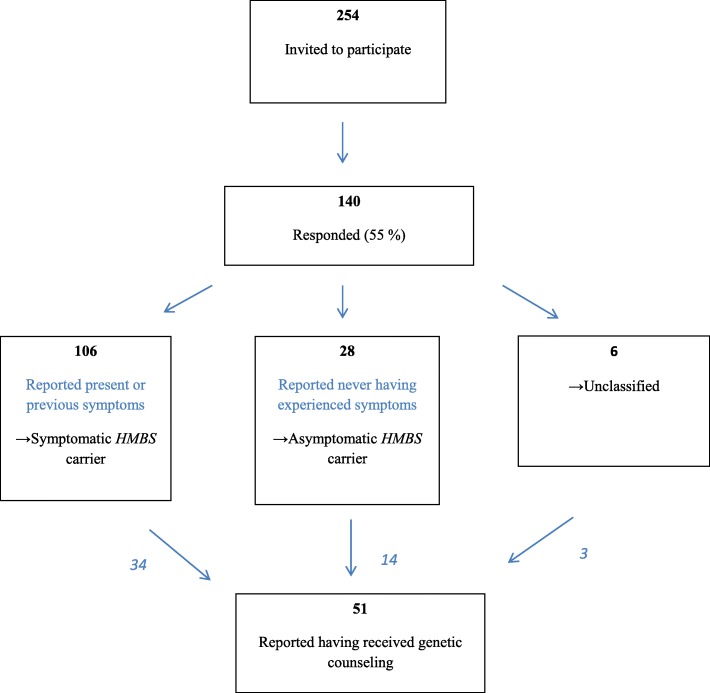
Methods: This is a cross-sectional retrospective survey with postal questionnaires. We received responses from 140 HMBS carriers for the general self-efficacy scale (GSES), study-specific questions about symptoms, self-management strategies and motives for genetic testing and satisfaction with the genetic counseling scale (SCS).
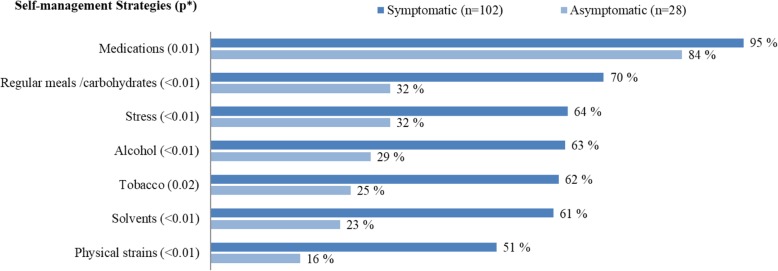
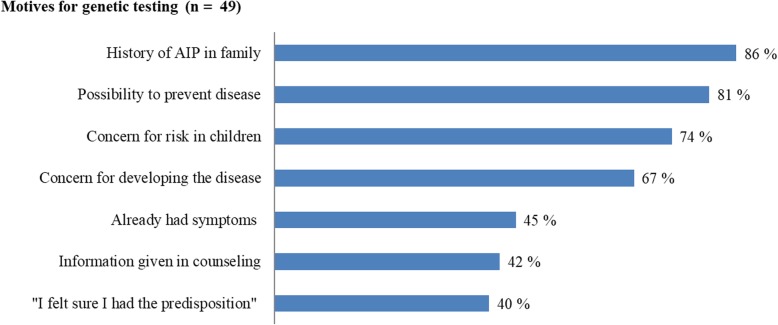
Results: The results indicated high levels of self-efficacy in these Norwegian HMBS mutation carriers. Both self-reported symptomatic and asymptomatic cases recorded changes in behavior after diagnosis, such as avoiding possible triggering drugs and aspiring recommended eating habits. They were in general satisfied with the genetic counseling they had received. The possibility to prevent disease and learn about the risk of their children was their most important motives to undergo genetic testing.
Conclusions: This study indicates that continuing to provide information, counseling and education is beneficial in AIP, and that HMBS mutation carriers, both those self-assessed as asymptomatic and as symptomatic, are using their knowledge to avoid triggering factors.
Keywords: Acute intermittent porphyria; General self-efficacy scale; Genetic counseling; Predictive genetic testing; Satisfaction with genetic counseling scale; Self-efficacy; Self-management strategies.
Conflict of interest statement
The authors declare that they have no competing interests.
Figures
References
-
- Puy H, Gouya L, Deybach JC. Porphyrias. Lancet. 2010;375(9718):924–937. - PubMed
-
- Elder G, Harper P, Badminton M, Sandberg S, Deybach JC. The incidence of inherited porphyrias in Europe. J Inherit Metab Dis. 2013;36(5):849–857. - PubMed
-
- Sassa S. Modern diagnosis and management of the porphyrias. Br J Haematol. 2006;135(3):281–292. - PubMed
-
- Wikberg A, Jansson L, Lithner F. Women’s experience of suffering repeated severe attacks of acute intermittent porphyria. J Adv Nurs. 2000;32(6):1348–1355. - PubMed
-
- Millward LM, Kelly P, Deacon A, Senior V, Peters TJ. Self-rated psychosocial consequences and quality of life in the acute porphyrias. J Inherit Metab Dis. 2001;24(7):733–747. - PubMed
MeSH terms
LinkOut - more resources
Full Text Sources
Miscellaneous
