Lung cancer in young adults aged 35 years or younger: A full-scale analysis and review
- PMID: 31293660
- PMCID: PMC6603399
- DOI: 10.7150/jca.27490
Lung cancer in young adults aged 35 years or younger: A full-scale analysis and review
Abstract
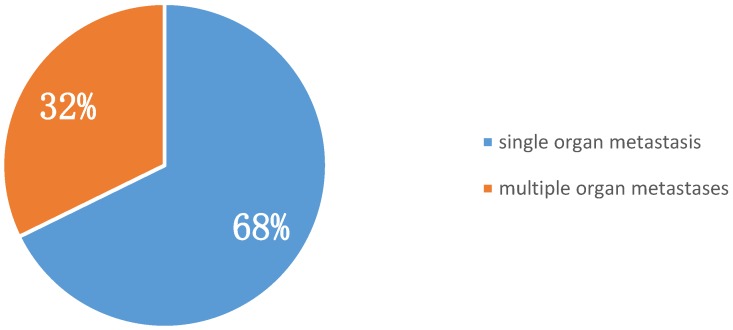
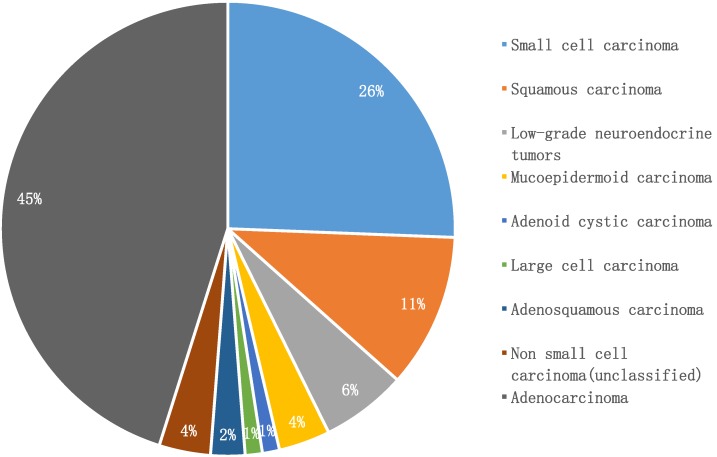
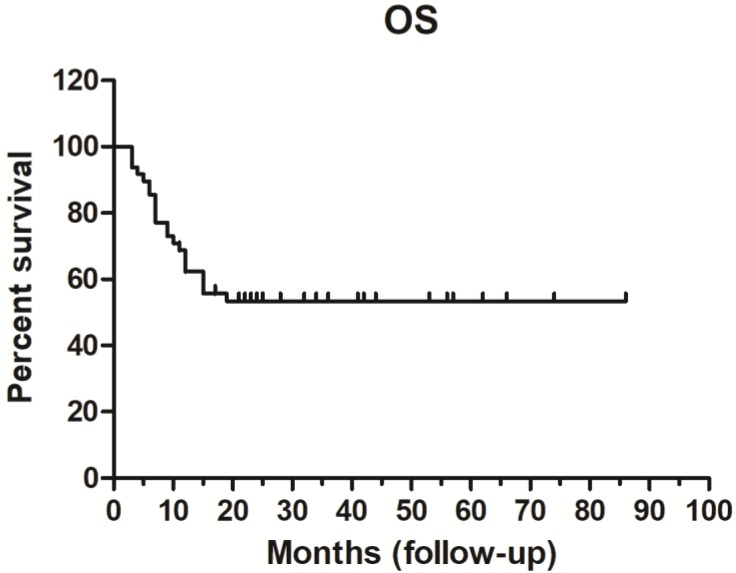
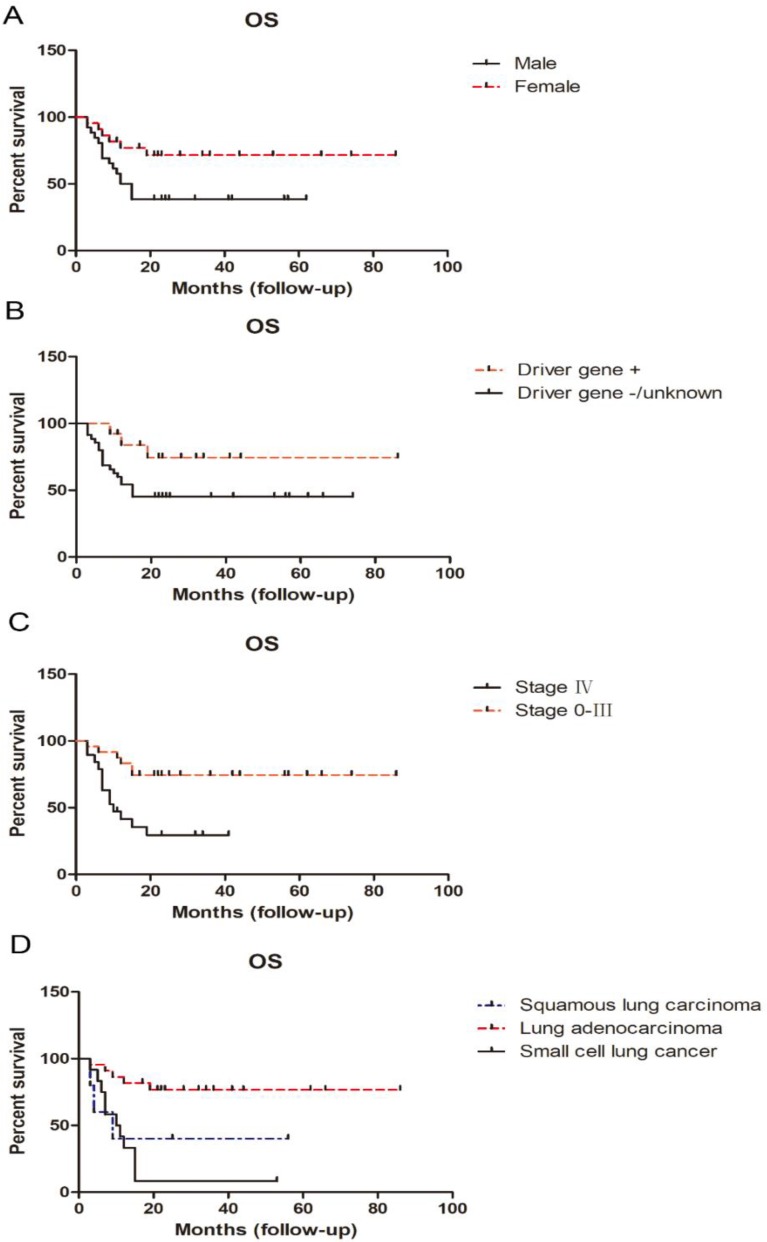
Objectives: Lung cancer in young adults is a distinct disease with particular socioeconomic implications. This study aimed to clarify the clinicopathological characteristics, best interventions, and outcomes of this distinctive entity. Methods: A retrospective review of patients with lung cancer was performed in our institute from January 2010 to June 2017. Young adults were defined as between 18 and 35 years old. Demographic, clinicopathological, therapeutic, and prognostic data were systematically analyzed. Results: From a total of 8734 patients, 120 (1.37%) were young adults, of which 82 with complete hospital records were included in this study. A high proportion had adenocarcinoma (45%) and late-stage disease (49.21% stage IV at diagnosis). Pleura (38.71%) were the most common metastatic site, followed by bone (35.48%) and lung (25.81%). The majority (68%) had single organ metastasis. Young patients had an increased frequency of gene mutations. Among the 18 patients for whom epidermal growth factor receptor (EGFR) and anaplastic lymphoma kinase (ALK) status was determined, 10 had sensitive EGFR mutations while 5 had ALK rearrangement; only 3 patients were driver gene mutation-negative. The 1-year overall survival (OS) rate was 62.31% and the 3- and 5-year survival rates were both 53.31%; median OS was not achieved (range, 3-86 months). Male sex, negative or unknown gene mutation status, stage IV, and squamous or small cell lung cancer were associated with poor prognosis (OS) in early-onset lung cancer. Conclusions: Lung cancer in young adults is distinctive, with adenocarcinoma and stage IV at presentation being predominant characteristics. Gene mutation assessment should be mandatory in this subgroup due to the increased likelihood of positive driver gene alterations, as individualized targeted therapy may achieve superior outcomes.
Keywords: Combined treatment; Gene mutation; Lung cancer; Young patients.
Conflict of interest statement
Competing Interests: The authors have declared that no competing interest exists.
Figures
References
-
- Lan L, Zhao F, Cai Y. et al. [Epidemiological analysis on mortality of cancer in China, 2015] ZhonghuaLiu Xing Bing Xue Za Zhi. 2018;39:32–34. - PubMed
-
- Strand TE, Malayeri C, Eskonsipo PK. et al. Adolescent smoking and trends in lung cancer incidence among young adults in Norway 1954-1998. Cancer Causes Control. 2004;15:27–33. - PubMed
-
- Marugame T, Yoshimi I, Kamo K. et al. Trends in lung cancer mortality among young adults in Japan. Jpn J Clin Oncol. 2005;35:177–80. - PubMed
Publication types
LinkOut - more resources
Full Text Sources
Research Materials
Miscellaneous