


Identification of potential key genes and pathways predicting pathogenesis and prognosis for triple-negative breast cancer
- PMID: 31297036
- PMCID: PMC6599314
- DOI: 10.1186/s12935-019-0884-0
Identification of potential key genes and pathways predicting pathogenesis and prognosis for triple-negative breast cancer
Abstract
Background: Triple negative breast cancer (TNBC) is a specific subtype of breast cancer with a poor prognosis due to its aggressive biological behaviour and lack of therapeutic targets. We aimed to explore some novel genes and pathways related to TNBC prognosis through bioinformatics methods as well as potential initiation and progression mechanisms.
Methods: Breast cancer mRNA data were obtained from The Cancer Genome Atlas database (TCGA). Differential expression analysis of cancer and adjacent cancer, as well as, triple negative breast cancer and non-triple negative breast cancer were performed using R software. The key genes related to the pathogenesis were identified by functional and pathway enrichment analysis and protein-protein interaction network analysis. Based on univariate and multivariate Cox proportional hazards model analyses, a gene signature was established to predict overall survival. Receiver operating characteristic curve was used to evaluate the prognostic performance of our model.
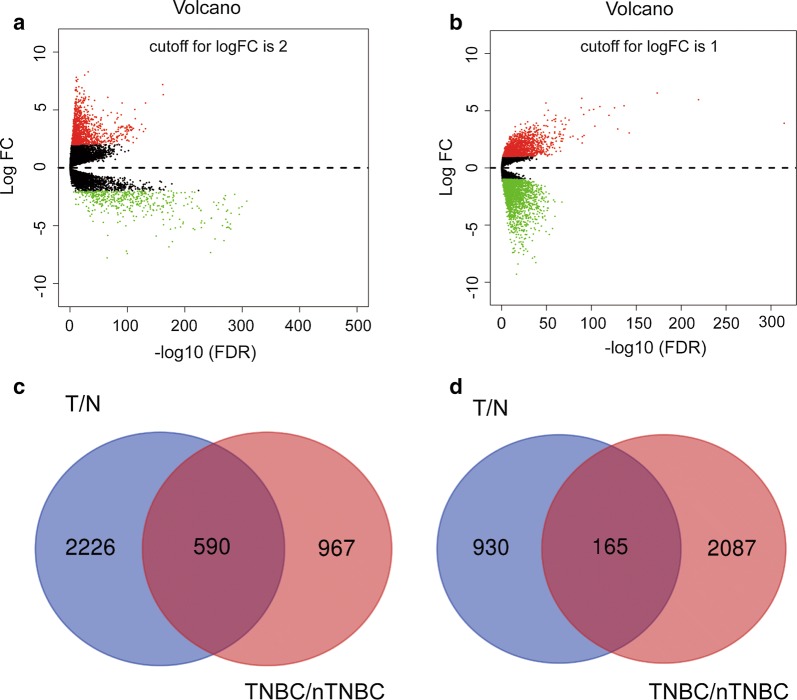
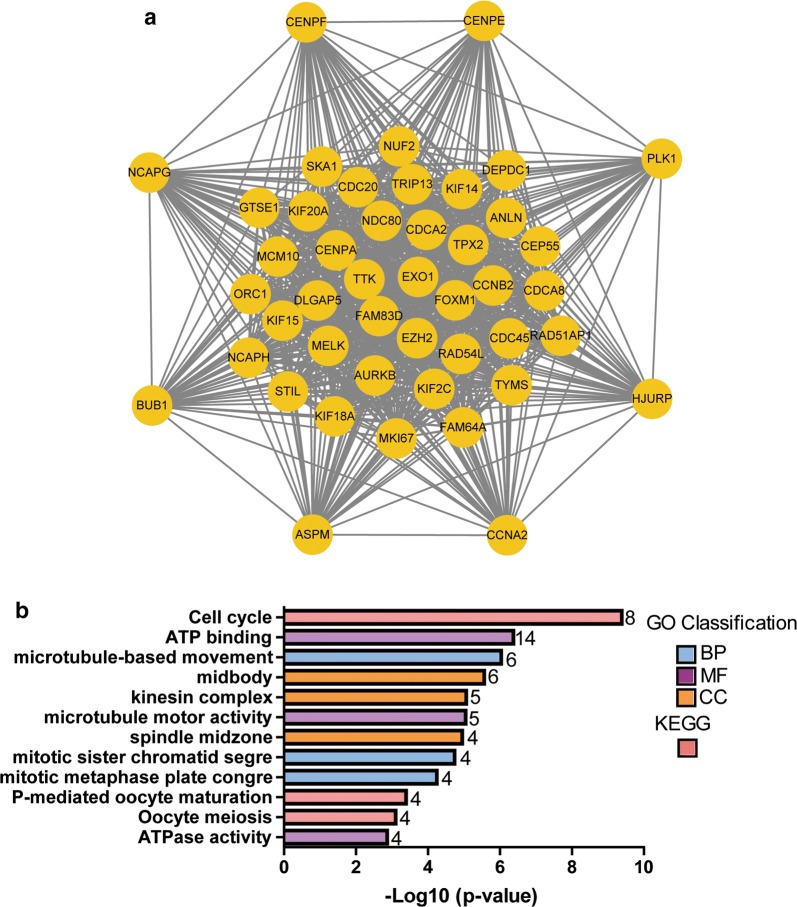
Results: Based on mRNA expression profiling of breast cancer patients from the TCGA database, 755 differentially expressed overlapping mRNAs were detected between TNBC/non-TNBC samples and normal tissue. We found eight hub genes associated with the cell cycle pathway highly expressed in TNBC. Additionally, a novel six-gene (TMEM252, PRB2, SMCO1, IVL, SMR3B and COL9A3) signature from the 755 differentially expressed mRNAs was constructed and significantly associated with prognosis as an independent prognostic signature. TNBC patients with high-risk scores based on the expression of the 6-mRNAs had significantly shorter survival times compared to patients with low-risk scores (P < 0.0001).
Conclusions: The eight hub genes we identified might be tightly correlated with TNBC pathogenesis. The 6-mRNA signature established might act as an independent biomarker with a potentially good performance in predicting overall survival.
Keywords: Differentially expressed genes; Pathogenesis; Prognostic; Survival; Triple-negative breast cancer; mRNA-signature.
Conflict of interest statement
Competing interestsThe authors declare that they have no competing interests.
Figures



References
-
- Foulkes WD, Smith IE, Reis-Filho JS. Triple-negative breast cancer. N Engl J Med. 2010;363(20):1938–1948. - PubMed
-
- Haffty BG, Yang Q, Reiss M, Kearney T, Higgins SA, Weidhaas J, Harris L, Hait W, Toppmeyer D. Locoregional relapse and distant metastasis in conservatively managed triple negative early-stage breast cancer. J Clin Oncol. 2006;24(36):5652–5657. - PubMed
-
- Carey LA, Dees EC, Sawyer L, Gatti L, Moore DT, Collichio F, Ollila DW, Sartor CI, Graham ML, Perou CM. The triple negative paradox: primary tumor chemosensitivity of breast cancer subtypes. Clin Cancer Res. 2007;13(8):2329–2334. - PubMed
LinkOut - more resources
Full Text Sources
Other Literature Sources
