


Diet-induced hypothalamic dysfunction and metabolic disease, and the therapeutic potential of polyphenols
- PMID: 31300352
- PMCID: PMC6717768
- DOI: 10.1016/j.molmet.2019.06.022
Diet-induced hypothalamic dysfunction and metabolic disease, and the therapeutic potential of polyphenols
Abstract
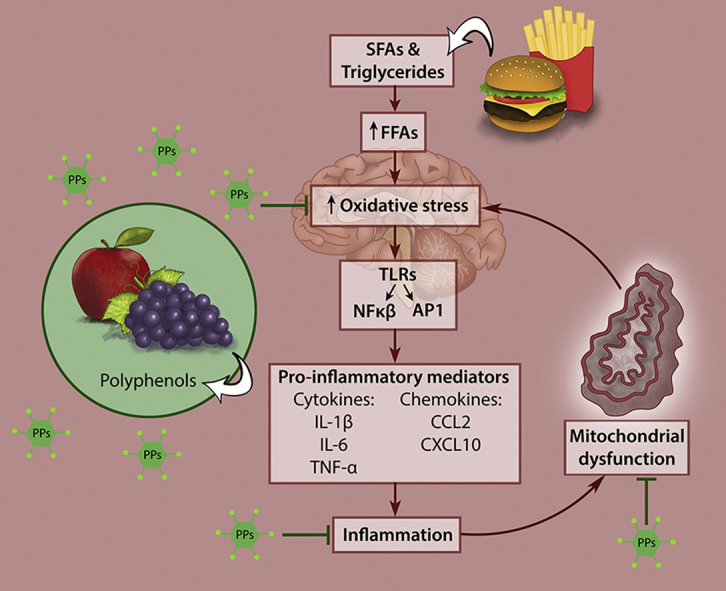
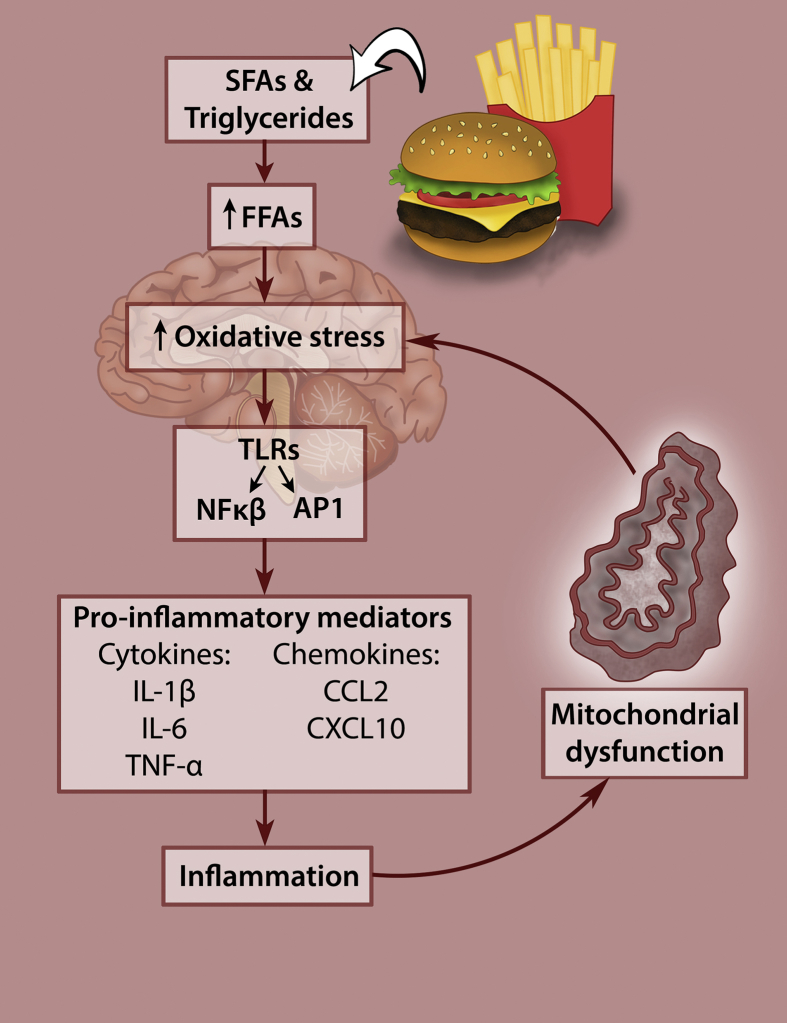
Background: The prevalence of obesity and metabolic diseases continues to rise globally. The increased consumption of unhealthy energy-rich diets that are high in fat and sugars results in oxidative stress and inflammation leading to hypothalamic dysfunction, which has been linked with these diseases. Conversely, diets rich in polyphenols, which are phytochemicals known for their antioxidant and anti-inflammatory properties, are associated with a reduced risk for developing metabolic diseases.
Scope of review: This review provides an overview of the effects of polyphenols against diet-induced hypothalamic dysfunction with respect to neural inflammation and mitochondrial dysfunction. Results show that polyphenols ameliorate oxidative stress and inflammation within the hypothalamus, thereby improving leptin signaling and mitochondrial biogenesis. Furthermore, they protect against neurodegeneration by decreasing the production of reactive oxygen species and enhancing natural antioxidant defense systems.
Major conclusions: The potential of polyphenols as nutraceuticals against hypothalamic inflammation, mitochondrial dysfunction, and neurodegeneration could hold tremendous value. With hypothalamic inflammation increasing naturally with age, the potential to modulate these processes in order to extend longevity is exciting and warrants exploration. The continued escalation of mental health disorders, which are characterized by heightened neuronal inflammation, necessitates the furthered investigation into polyphenol therapeutic usage in this regard.
Keywords: Hypothalamic inflammation; Longevity; Metabolic disease; Neural mitochondrial dysfunction; Nutrition; Polyphenols.
Copyright © 2019 The Authors. Published by Elsevier GmbH.. All rights reserved.
Figures
References
-
- Ashrafian H., Harling L., Darzi A., Athanasiou T. Neurodegenerative disease and obesity: what is the role of weight loss and bariatric interventions? Metabolic Brain Disease. 2013;28:341–353. - PubMed
-
- Pozza C., Isidori A.M. In: Imaging in bariatric surgery. Laghi A., Rengo M., editors. Springer International Publishing; Cham: 2018. pp. 1–8.
-
- Huber M., Knottnerus J.A., Green L., van der Horst H., Jadad A.R., Kromhout D. How should we define health? BMJ (Clinical Research Ed) 2011;343:d4163. - PubMed
Publication types
MeSH terms
Substances
LinkOut - more resources
Full Text Sources
Medical
Research Materials
