


Suppression of olfactory signal transduction by insecticides
- PMID: 31304281
- PMCID: PMC6550234
- DOI: 10.1038/s41538-019-0042-z
Suppression of olfactory signal transduction by insecticides
Abstract
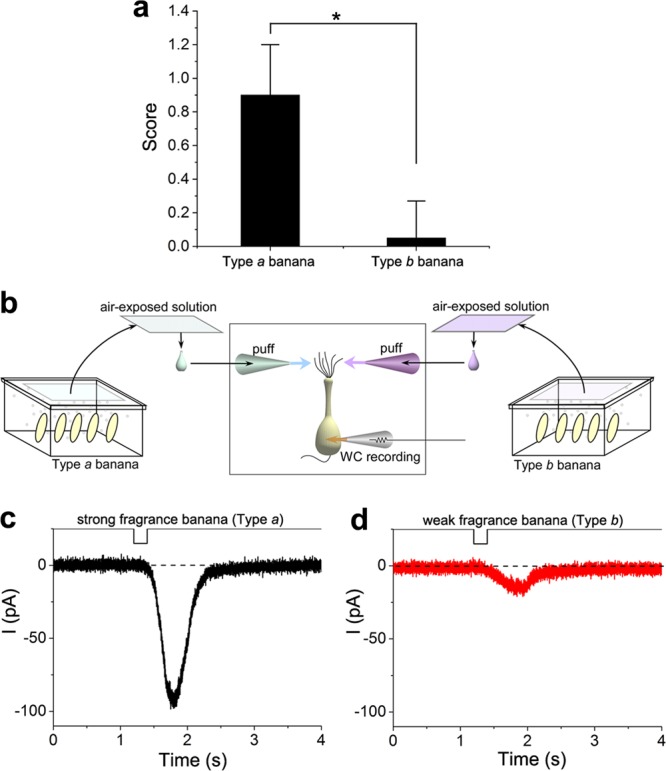
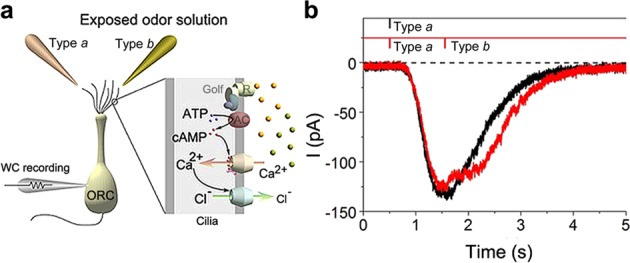
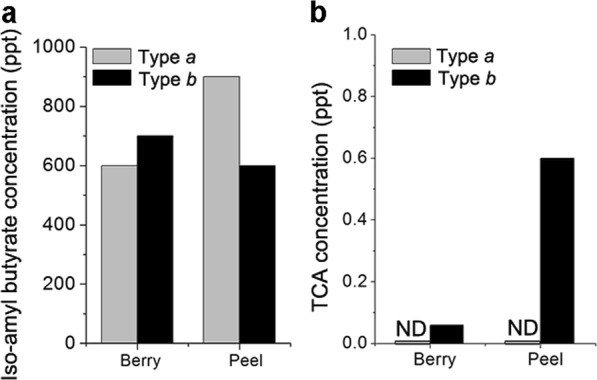
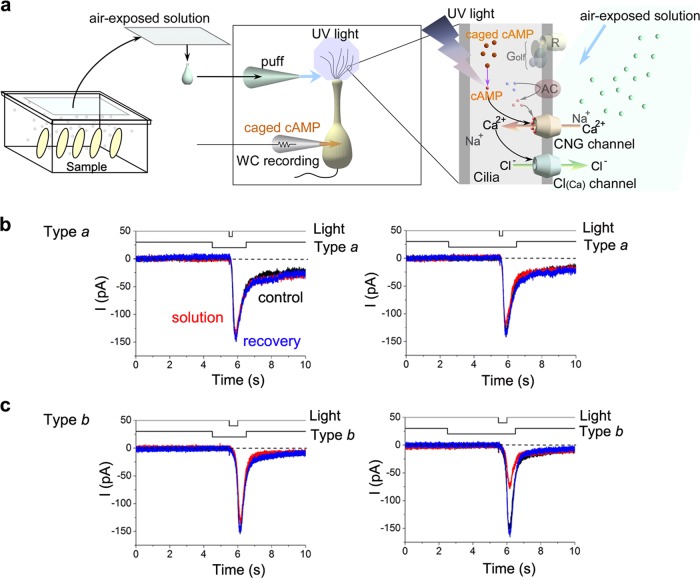
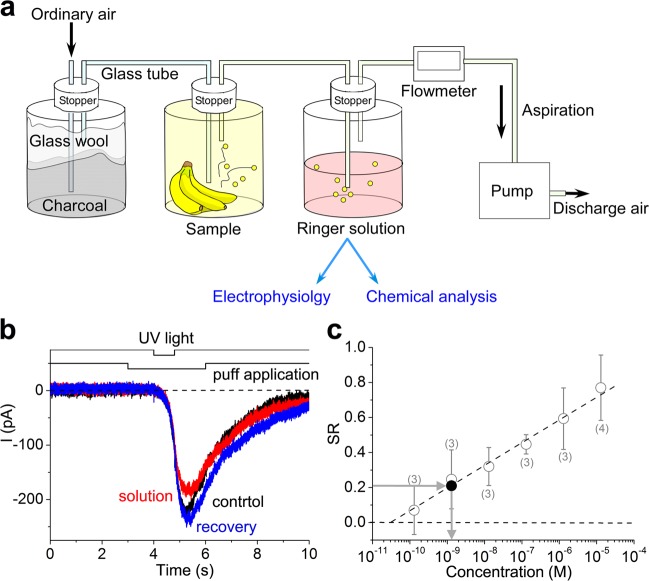
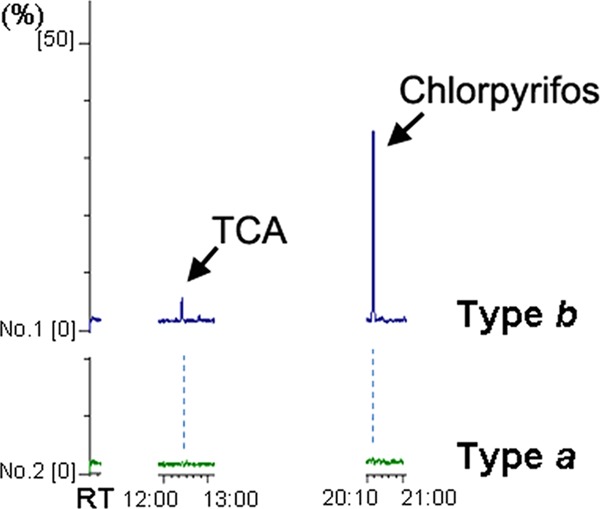
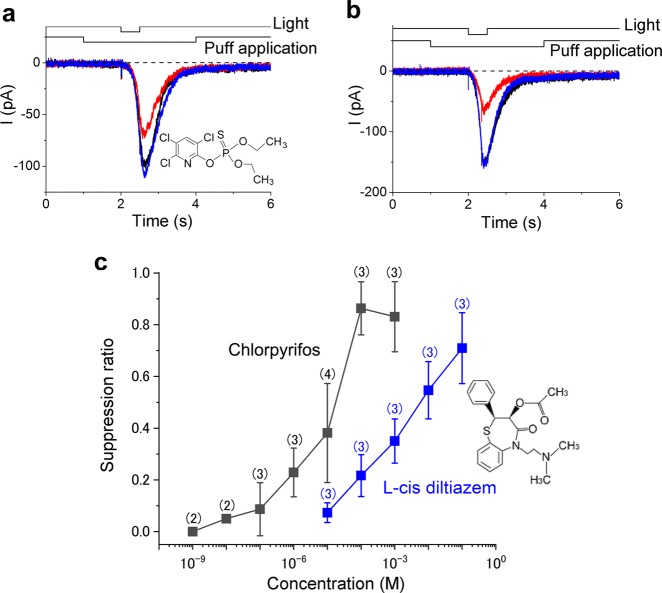
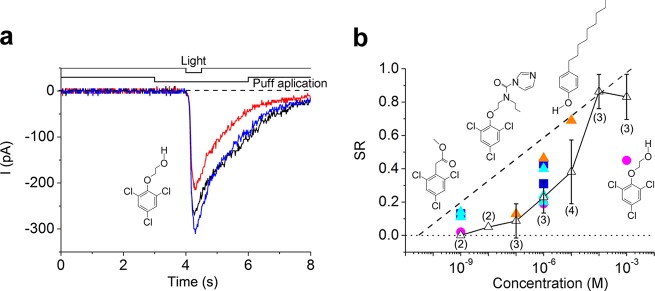
2,4,6-Trichloroanisole (TCA) is a well-known, potent off-flavour compound present in various foods and beverages. TCA has been hypothesised to be a universal cause of flavour loss experienced in daily life. Here, however, we show that titres for the suppression of olfactory transducer channels caused by low-quality bananas are much higher than those for that caused by the TCA itself contained in the banana. We resurveyed other components of low-quality bananas and found that bananas also contain an insecticide (chlorpyrifos), and that it suppresses olfactory transducer channels. Other insecticides also suppressed olfactory transducer channels. Hence, even after passing safety examinations, certain insecticides may decrease the quality of foods and beverages by reducing their intrinsic scents.
Keywords: Cyclic nucleotide-gated cation channels; Inhibition; Olfactory receptors.
Conflict of interest statement
Competing interestsThe authors declare no competing interests.
Figures
References
-
- Buser HR, Zanier C, Tanner H. Identification of 2,4,6-trichloroanisole as a potent compound causing cork taint in wine. J. Agric. Food Chem. 1982;30:359–362. doi: 10.1021/jf00110a037. - DOI
LinkOut - more resources
Full Text Sources
