


Anti-inflammatory treatment with a soluble epoxide hydrolase inhibitor attenuates seizures and epilepsy-associated depression in the LiCl-pilocarpine post-status epilepticus rat model
- PMID: 31306773
- PMCID: PMC6873816
- DOI: 10.1016/j.bbi.2019.07.014
Anti-inflammatory treatment with a soluble epoxide hydrolase inhibitor attenuates seizures and epilepsy-associated depression in the LiCl-pilocarpine post-status epilepticus rat model
Abstract
Purpose: This study aimed to investigate whether 1-trifluoromethoxyphenyl-3-(1-propionylpiperidin-4-yl) urea (TPPU), a soluble epoxide hydrolase inhibitor with anti-inflammatory effects, could alleviate spontaneous recurrent seizures (SRS) and epilepsy-associated depressive behaviours in the lithium chloride (LiCl)-pilocarpine-induced post-status epilepticus (SE) rat model.
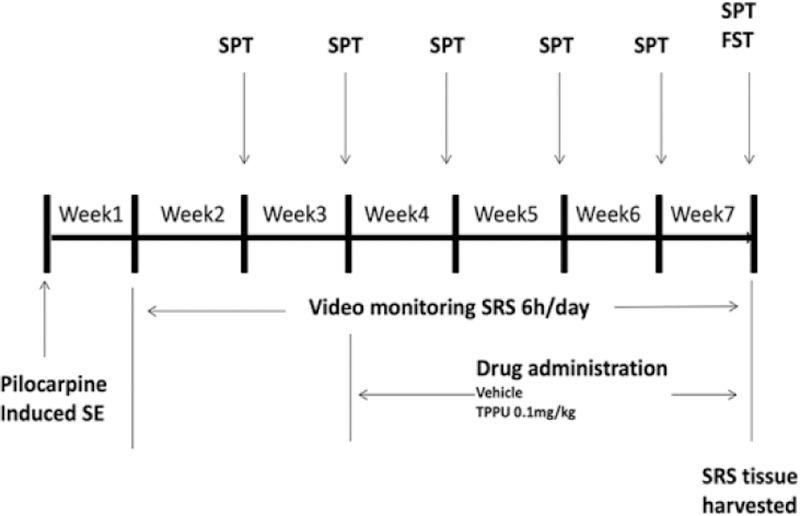
Methods: The rats were intraperitoneally (IP) injected with LiCl (127 mg/kg) and pilocarpine (40 mg/kg) to induce SE. A video surveillance system was used to monitor SRS in the post-SE model for 6 weeks (from the onset of the 2nd week to the end of the 7th week after SE induction). TPPU (0.1 mg/kg/d) was intragastrically given for 4 weeks from the 21st day after SE induction in the SRS + 0.1 TPPU group. The SRS + PEG 400 group was given the vehicle (40% polyethylene glycol 400) instead, and the control group was given LiCl and PEG 400 but not pilocarpine. The sucrose preference test (SPT) and forced swim test (FST) were conducted to evaluate the depression-like behaviours of rats. Immunofluorescent staining, enzyme-linked immunosorbent assay, and western blot analysis were performed to measure astrocytic and microglial gliosis, neuronal loss, and levels of soluble epoxide hydrolase (sEH), cytokines [tumour necrosis factor alpha (TNF-α), interleukin (IL)-1β, and IL-6], and cyclic adenosine monophosphate (cAMP)-response element binding protein (CREB).
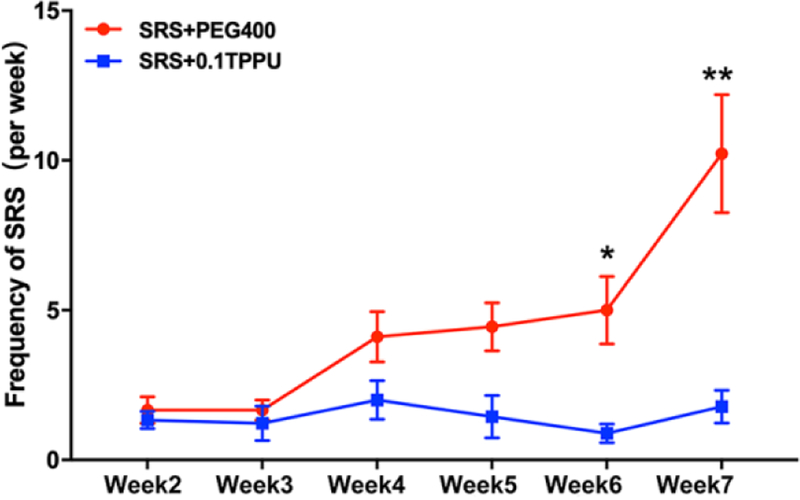
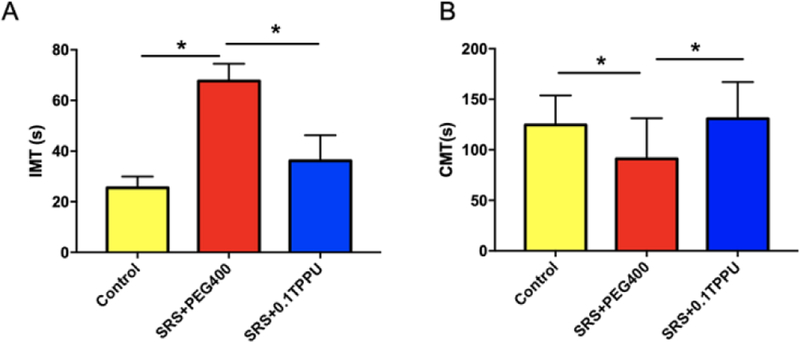
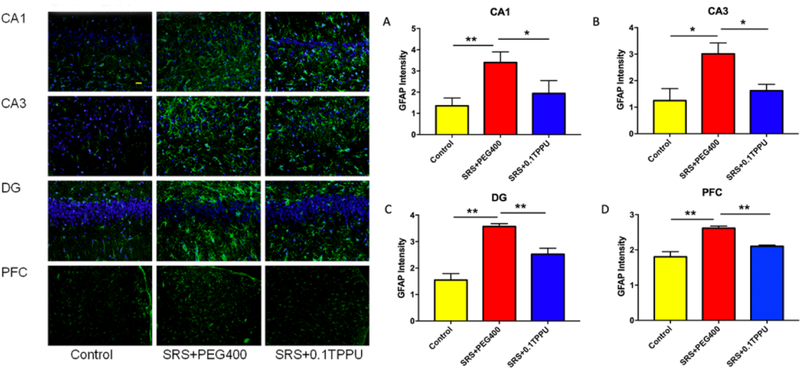
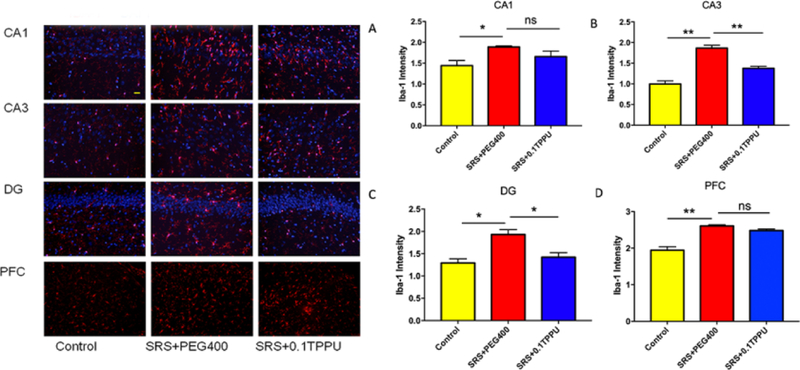
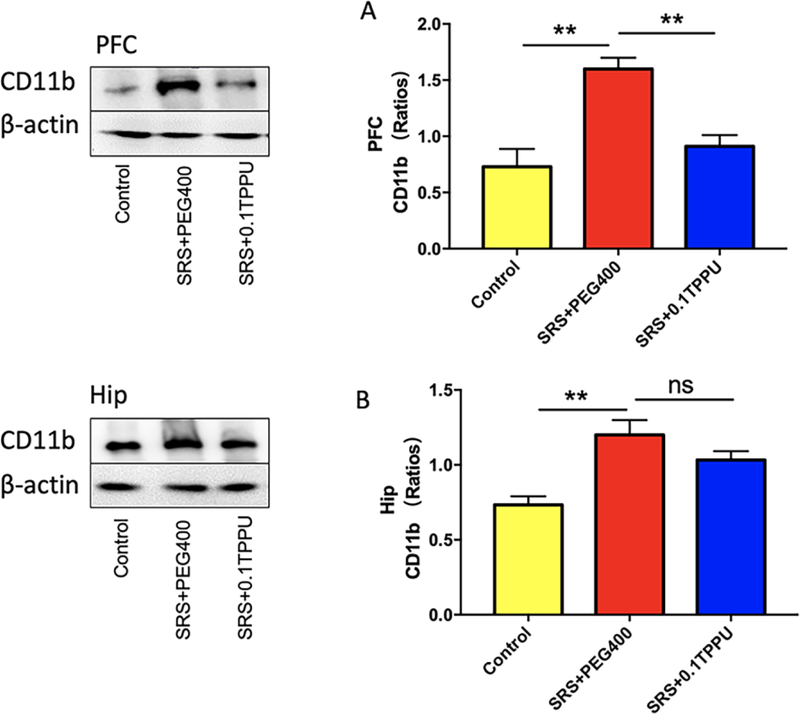
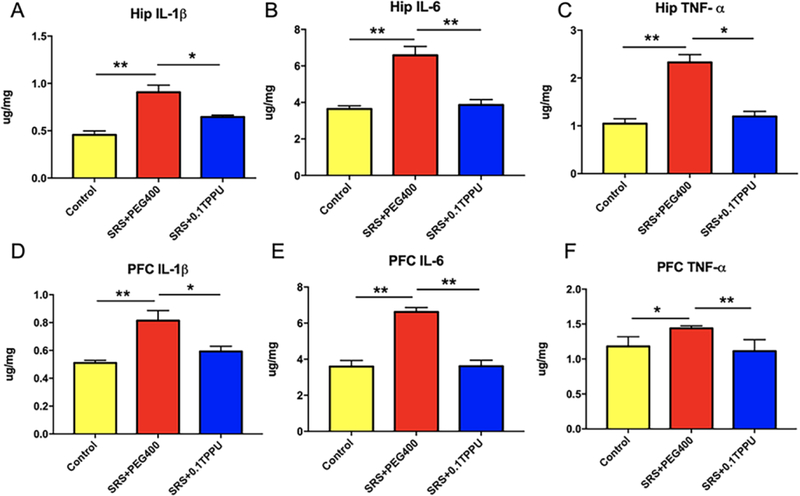
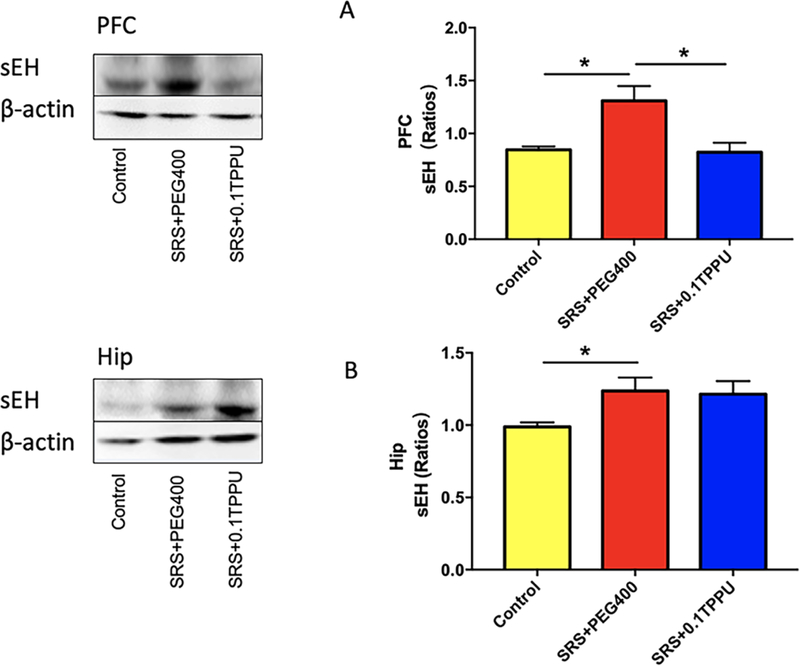
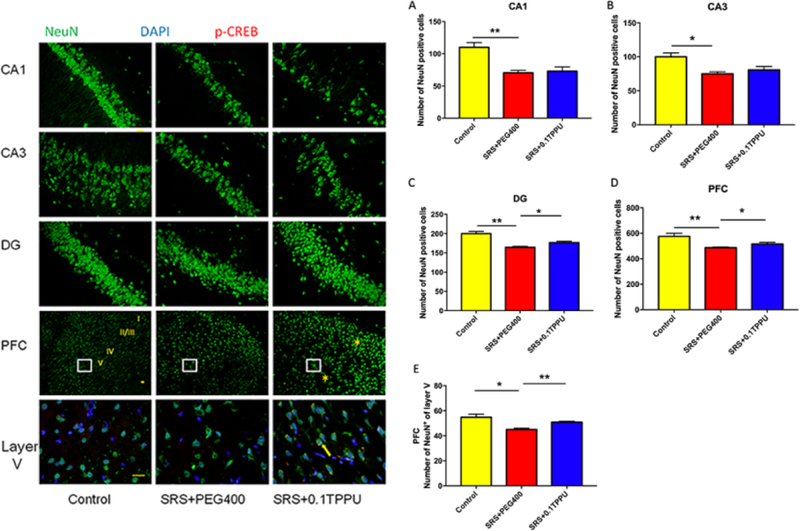
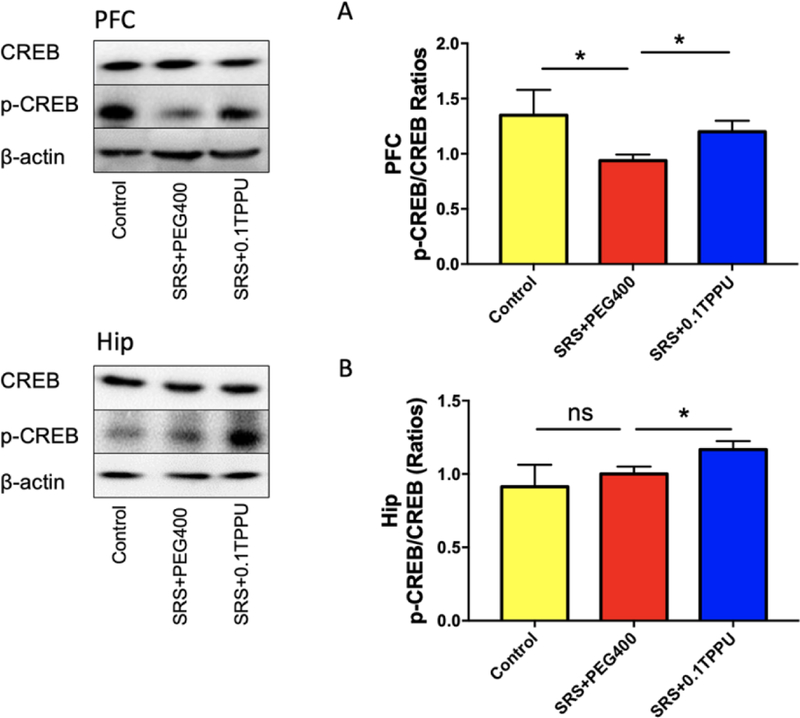
Results: The frequency of SRS was significantly decreased at 6 weeks and 7 weeks after SE induction in the 0.1TPP U group compared with the SRS + PEG 400 group. The immobility time (IMT) evaluated by FST was significantly decreased, whereas the climbing time (CMT) was increased, and the sucrose preference rate (SPR) evaluated by SPT was in an increasing trend. The levels of sEH, TNF-α, IL-1β, and IL-6 in the hippocampus (Hip) and prefrontal cortex (PFC) were all significantly increased in the SRS + PEG 400 group compared with the control group; neuronal loss, astrogliosis, and microglial activation were also observed. The astrocytic and microglial activation and levels of the pro-inflammatory cytokines in the Hip and PFC were significantly attenuated in the TPPU group compared with the SRS + PEG 400 group; moreover, neuronal loss and the decreased CREB expression were significantly alleviated as well.
Conclusion: TPPU treatment after SE attenuates SRS and epilepsy-associated depressive behaviours in the LiCl-pilocarpine induced post-SE rat model, and it also exerts anti-inflammatory effects in the brain. Our findings suggest a new therapeutic approach for epilepsy and its comorbidities, especially depression.
Copyright © 2019 Elsevier Inc. All rights reserved.
Conflict of interest statement
Competing Interests:
None of the authors has any conflict of interest related to this manuscript.
Figures
References
-
- Keezer MR, Sisodiya SM, Sander JW. Comorbidities of epilepsy: current concepts and future perspectives. Lancet Neurol 2016;15:106–115. - PubMed
-
- Kanner AM. Can Neurochemical Changes of Mood Disorders Explain the Increase Risk of Epilepsy or its Worse Seizure Control? Neurochem Res 2017;42:2071–2076. - PubMed
-
- Mula M. Epilepsy and Psychiatric Comorbidities: Drug Selection. Curr Treat Options Neurol 2017;19:44. - PubMed
Publication types
MeSH terms
Substances
Grants and funding
LinkOut - more resources
Full Text Sources
Medical
Miscellaneous
