


Searching for the optimal tDCS target for motor rehabilitation
- PMID: 31315679
- PMCID: PMC6637619
- DOI: 10.1186/s12984-019-0561-5
Searching for the optimal tDCS target for motor rehabilitation
Abstract
Background: Transcranial direct current stimulation (tDCS) has been investigated over the years due to its short and also long-term effects on cortical excitability and neuroplasticity. Although its mechanisms to improve motor function are not fully understood, this technique has been suggested as an alternative therapeutic method for motor rehabilitation, especially those with motor function deficits. When applied to the primary motor cortex, tDCS has shown to improve motor function in healthy individuals, as well as in patients with neurological disorders. Based on its potential effects on motor recovery, identifying optimal targets for tDCS stimulation is essential to improve knowledge regarding neuromodulation as well as to advance the use of tDCS in clinical motor rehabilitation.
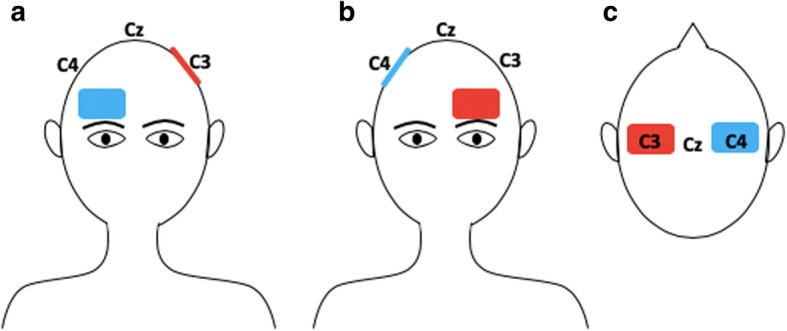
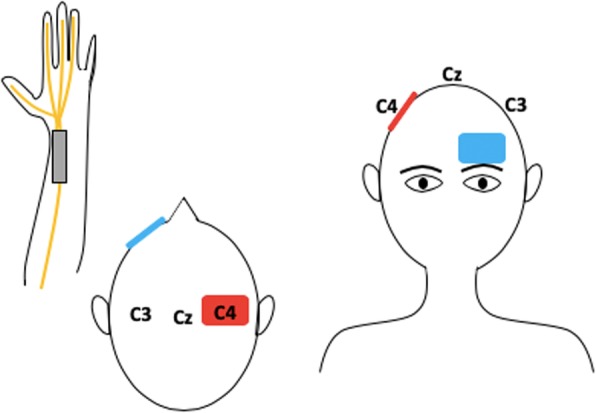
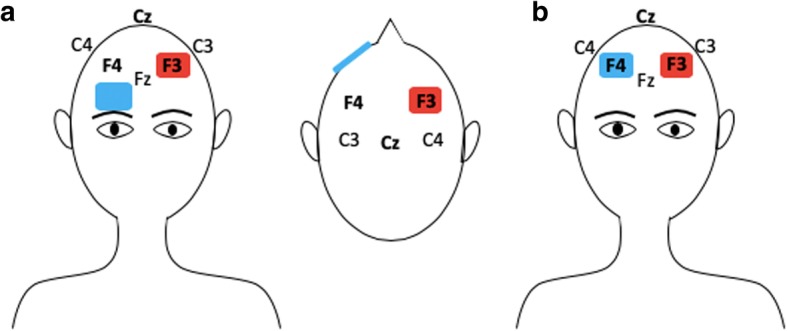
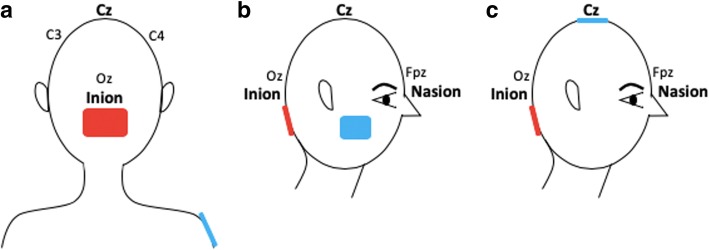
Methods and results: Therefore, this review discusses the existing evidence on the application of four different tDCS montages to promote and enhance motor rehabilitation: (1) anodal ipsilesional and cathodal contralesional primary motor cortex tDCS, (2) combination of central tDCS and peripheral electrical stimulation, (3) prefrontal tDCS montage and (4) cerebellar tDCS stimulation. Although there is a significant amount of data testing primary motor cortex tDCS for motor recovery, other targets and strategies have not been sufficiently tested. This review then presents the potential mechanisms and available evidence of these other tDCS strategies to promote motor recovery.
Conclusions: In spite of the large amount of data showing that tDCS is a promising adjuvant tool for motor rehabilitation, the diversity of parameters, associated with different characteristics of the clinical populations, has generated studies with heterogeneous methodologies and controversial results. The ideal montage for motor rehabilitation should be based on a patient-tailored approach that takes into account aspects related to the safety of the technique and the quality of the available evidence.
Keywords: Motor rehabilitation; Non-invasive brain stimulation; Pain modulation; Transcranial direct current stimulation.
Conflict of interest statement
The authors have nothing to declare.
Figures
References
-
- Liebetanz D, Nitsche M. A, Tergau F, Paulus W. pharmacological approach to the mechanisms of transcranial DC-stimulation-induced after-effects of human motor cortex excitability. Brain. 2002;125(Pt 10):2238–2247. - PubMed
-
- Stagg CJ, Nitsche MA. Physiological basis of transcranial direct current stimulation. Neuroscientist. 2014;17(1):37–53. - PubMed
-
- Nitsche MA, Paulus W. Sustained excitability elevations induced by transcranial DC motor cortex stimulation in humans. Neurology. 2001;57(10):1899–1901. - PubMed
Publication types
MeSH terms
LinkOut - more resources
Full Text Sources
Medical
