


ESR1 mutations in breast cancer
- PMID: 31318440
- PMCID: PMC6788940
- DOI: 10.1002/cncr.32345
ESR1 mutations in breast cancer
Abstract
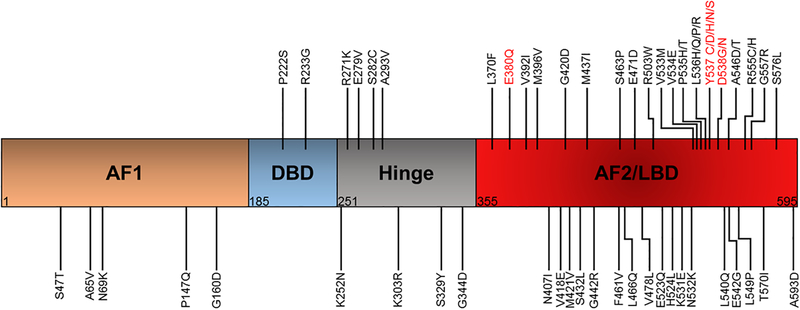
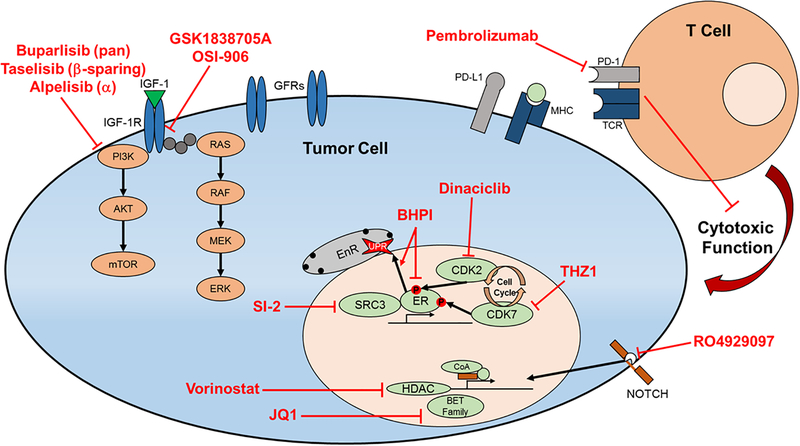
The acquisition of ligand-independent ESR1 mutations during aromatase inhibitor therapy in metastatic estrogen receptor (ER)-positive breast cancer is a common mechanism of hormonal therapy resistance. Preclinical and clinical studies have demonstrated that ESR1 mutations can preexist in primary tumors and can be enriched during metastasis. Furthermore, ESR1 mutations express a unique transcriptional profile that favors tumor progression, suggesting that selected ESR1 mutations may influence metastasis. Several groups have used sensitive detection methods using patient liquid biopsies to track ESR1 or truncal somatic mutations to predict treatment outcome and tumor progression, and some of these techniques may eventually be used to guide sequential treatment options in patients. Further development and standardization of mutation tracking in circulating tumor DNA is ongoing. Clinically, patients with ESR1 mutations derive clinical benefit when treated with fulvestrant and CDK4/6-targeted therapies, but the development of more potent selective ER degraders and/or new targeted biotherapies are needed to overcome the endocrine-resistant phenotype of ESR1 mutant-bearing tumors. In this review, we discuss the mechanisms of resistance and dissemination of ESR1 mutations as well as the detection methods for ESR1 mutation tracking, newly discovered potential therapeutic targets, and the clinical implications and treatment options for treating patients with ESR1 mutant-bearing tumors.
Keywords: breast cancer; estrogen receptor; metastasis; mutation.
© 2019 American Cancer Society.
Conflict of interest statement
The authors have no conflicts of interest to report.
Figures
References
-
- Society AC. Breast Cancer Facts & Figures 2017–2018, 2017.
-
- Turner NC, Ro J, Andre F, et al. Palbociclib in Hormone-Receptor-Positive Advanced Breast Cancer. N Engl J Med. 2015;373: 209–219. - PubMed
Publication types
MeSH terms
Substances
Grants and funding
LinkOut - more resources
Full Text Sources
Other Literature Sources
Medical
Miscellaneous
