


Real-world effectiveness and tolerability of small-cell lung cancer (SCLC) treatments: A systematic literature review (SLR)
- PMID: 31318909
- PMCID: PMC6638917
- DOI: 10.1371/journal.pone.0219622
Real-world effectiveness and tolerability of small-cell lung cancer (SCLC) treatments: A systematic literature review (SLR)
Abstract
Objectives: SCLC makes up approximately 15% of all lung carcinomas and is characterized by relatively aggressive spread and poorer prognosis compared to other lung cancers. Treatment options are limited, and their efficacy in randomized trials is poor, whilst outcomes in clinical practice remain unclear. The aim of this study was to assess the real-world effectiveness and tolerability of SCLC treatments.
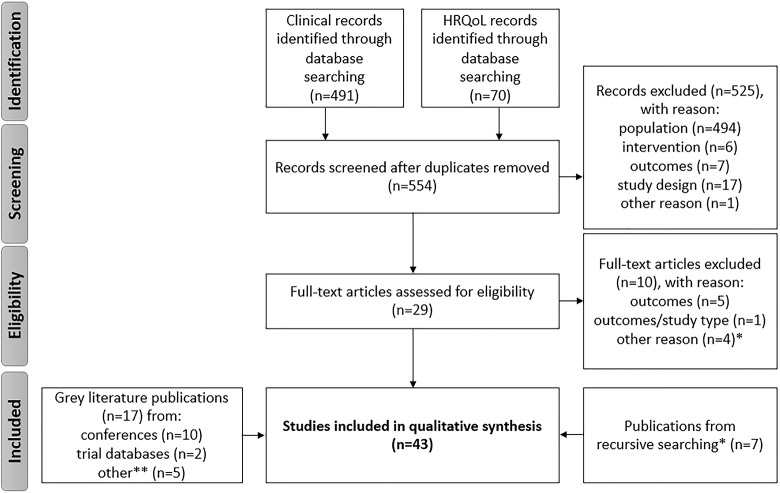
Methods: An SLR was conducted across nine databases accessed through OVID, capturing observational, non-randomized studies published between 01/2006-11/2018. In total, 554 abstracts were retrieved and systematically screened for eligibility. The eligible publications included effectiveness and tolerability data from adult SCLC patients (at any line of therapy). Additional grey literature searches were conducted.
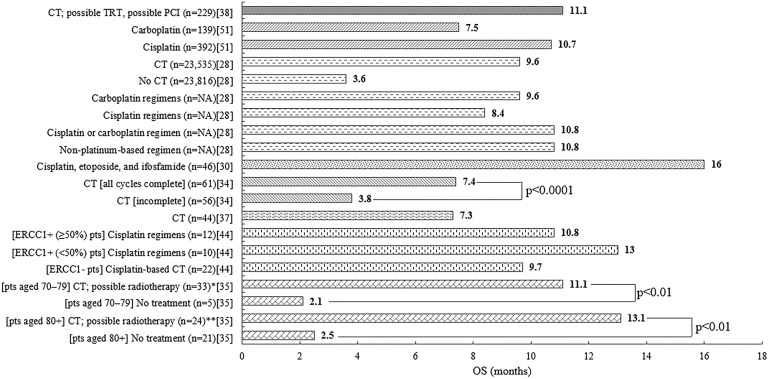
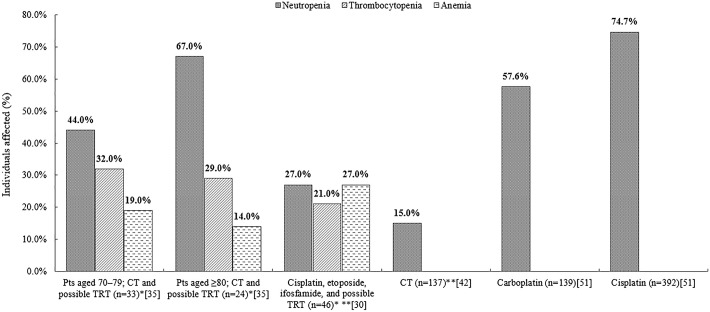
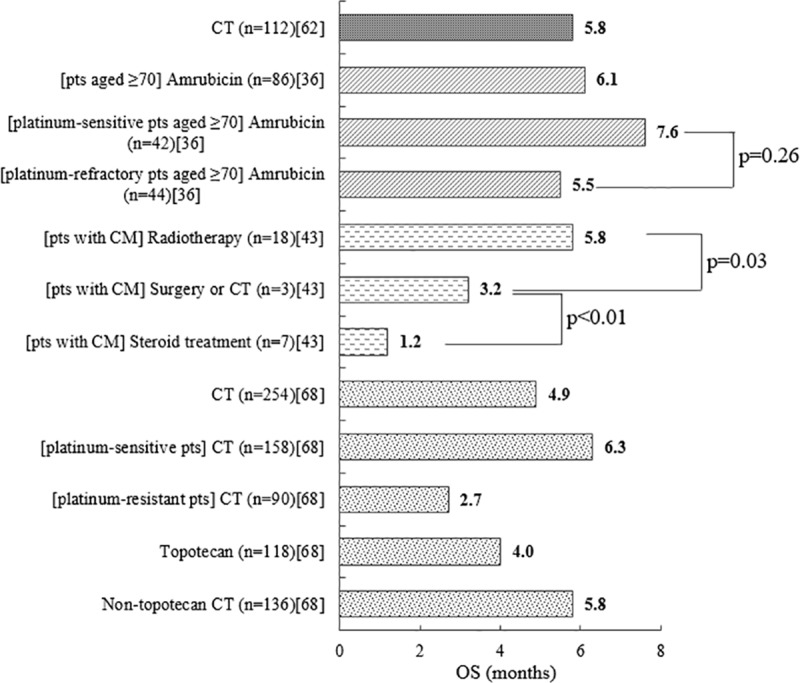
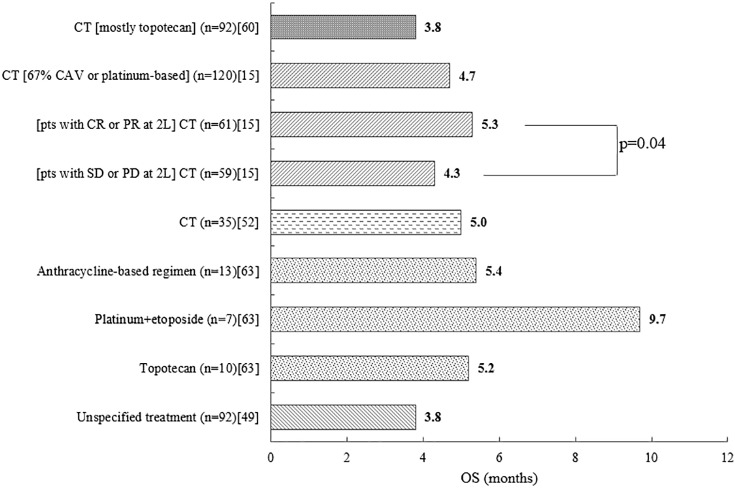
Results: Forty-three publications were included in this review-data from first-line therapies were captured most often (n = 32), while data from second (n = 14) and third line (n = 7) and beyond (n = 7) were less frequent. The publications reported primarily on chemotherapy/radiotherapy. The majority of publications lacked robustness and only 14/43 conducted statistical analyses or controlled for bias. Median OS for the largest SCLC populations were 9.6 months at first line (n = 23,535) and 4.9 months at second line (n = 254) for treatment with chemotherapy, and 4.7 months at third line (n = 120) for predominantly platinum-based chemotherapy or cyclophosphamide/adriamycin/vincristine. Hematologic toxicities (such as neutropenia, thrombocytopenia and anemia) were the most frequently reported TRAEs (n = 9).
Conclusions: Real-world treatment effectiveness and tolerability data were fragmented and inconsistently reported, and available publications were primarily of poor quality and lacked statistical analyses. This SLR showed limited treatment options and poor OS in SCLC, with no treatment option being clearly superior. TRAEs additionally increased the burden of this already challenging disease. Recent data suggest real-world outcomes are even poorer that those reported in clinical trials, and that novel therapies are needed to offer new treatment options for patients.
Conflict of interest statement
Adelphi Values PROVE undertake sponsored consultancy work for Bristol-Myers Squibb and other companies. Adelphi Values PROVE were commissioned by Bristol-Myers Squibb to conduct this (and other) research. This review was wholly funded by Bristol-Myers Squibb. This commercial affiliation as described in the funding statement (the authors M. Povsic, A. Enstone, R. Wyn, and K. Kornalska are employees of Adelphi Values, and J.R. Penrod and Y. Yuan are employees of Bristol-Myers Squibb, who provided financial support for this research and participated in the development of the manuscript) does not alter our adherence to PLOS ONE policies on sharing data and materials. No other conflicts of interest (relating to employment, patents, products in development, or marketed products) are declared by any of the authors.
Figures
References
-
- American Cancer Society. Small Cell Lung Cancer Stages. 2017. Available at: https://www.cancer.org/cancer/small-cell-lung-cancer/detection-diagnosis....
Publication types
MeSH terms
Substances
LinkOut - more resources
Full Text Sources
Medical
