


Oral Bone Tissue Engineering: Advanced Biomaterials for Cell Adhesion, Proliferation and Differentiation
- PMID: 31323766
- PMCID: PMC6679077
- DOI: 10.3390/ma12142296
Oral Bone Tissue Engineering: Advanced Biomaterials for Cell Adhesion, Proliferation and Differentiation
Abstract
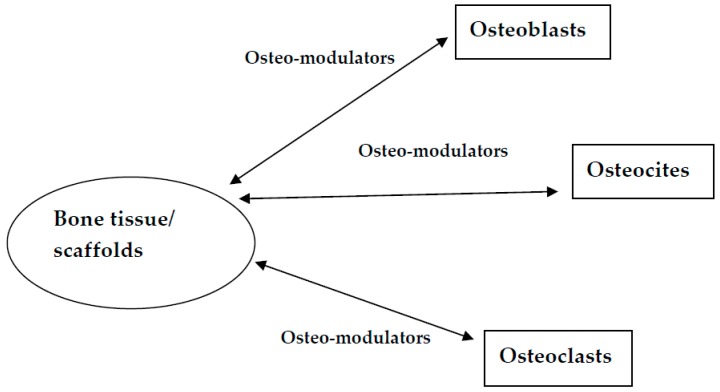
The advancements made in biomaterials have an important impact on oral tissue engineering, especially on the bone regeneration process. Currently known as the gold standard in bone regeneration, grafting procedures can sometimes be successfully replaced by a biomaterial scaffold with proper characteristics. Whether natural or synthetic polymers, biomaterials can serve as potential scaffolds with major influences on cell adhesion, proliferation and differentiation. Continuous research has enabled the development of scaffolds that can be specifically designed to replace the targeted tissue through changes in their surface characteristics and the addition of growth factors and biomolecules. The progress in tissue engineering is incontestable and research shows promising contributions to the further development of this field. The present review aims to outline the progress in oral tissue engineering, the advantages of biomaterial scaffolds, their direct implication in the osteogenic process and future research directions.
Keywords: biomaterials; biomolecules; cells; oral tissue; scaffolds; tissue engineering.
Conflict of interest statement
The authors declare no conflict of interest.
Figures
References
Publication types
LinkOut - more resources
Full Text Sources
