


A case report of clonal EBV-like memory CD4+ T cell activation in fatal checkpoint inhibitor-induced encephalitis
- PMID: 31332390
- PMCID: PMC6689251
- DOI: 10.1038/s41591-019-0523-2
A case report of clonal EBV-like memory CD4+ T cell activation in fatal checkpoint inhibitor-induced encephalitis
Abstract
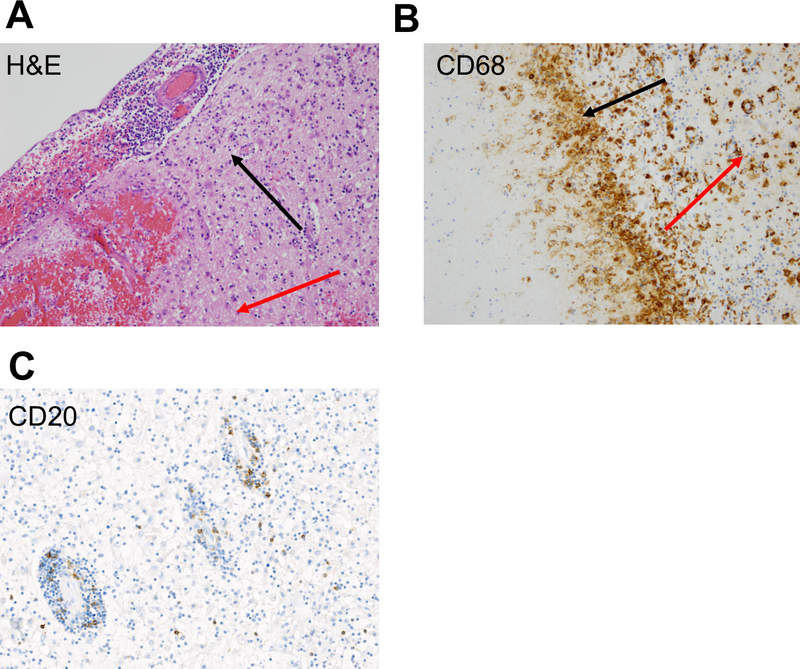
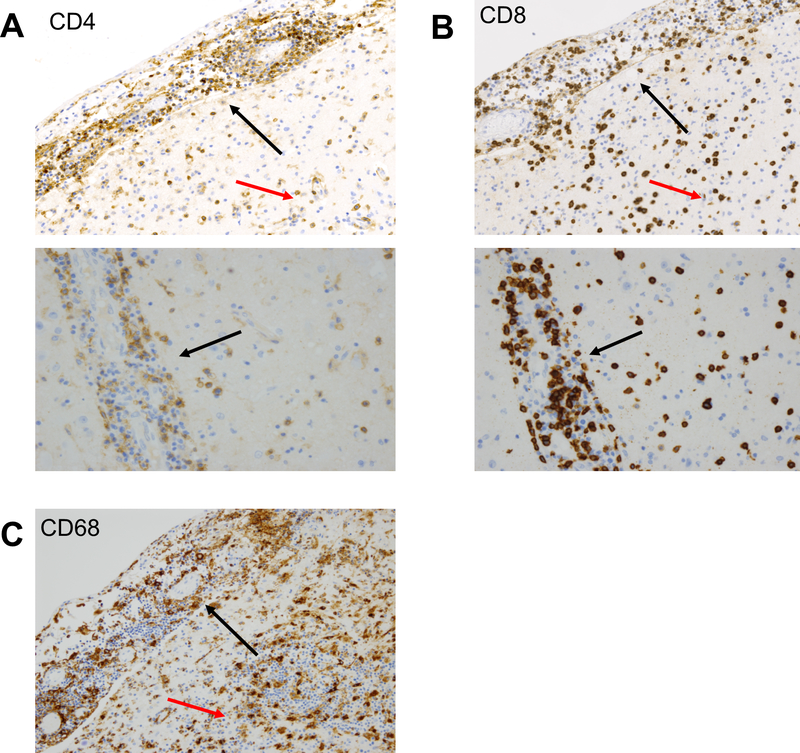
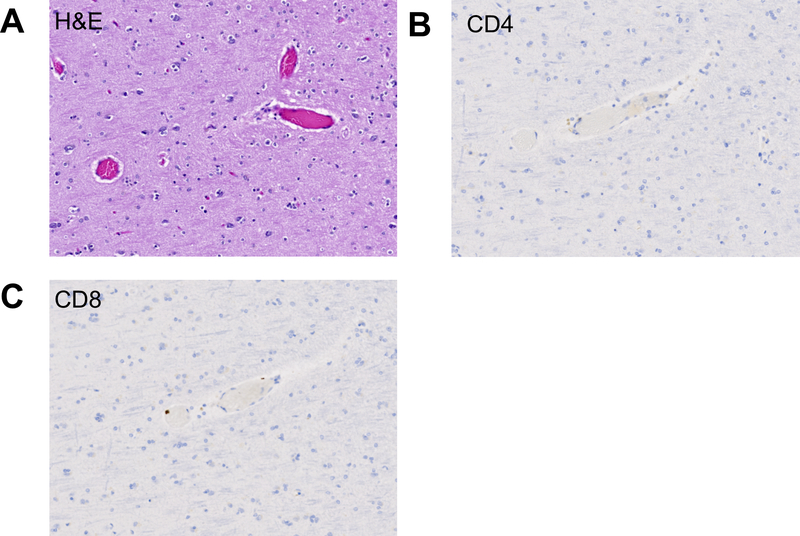
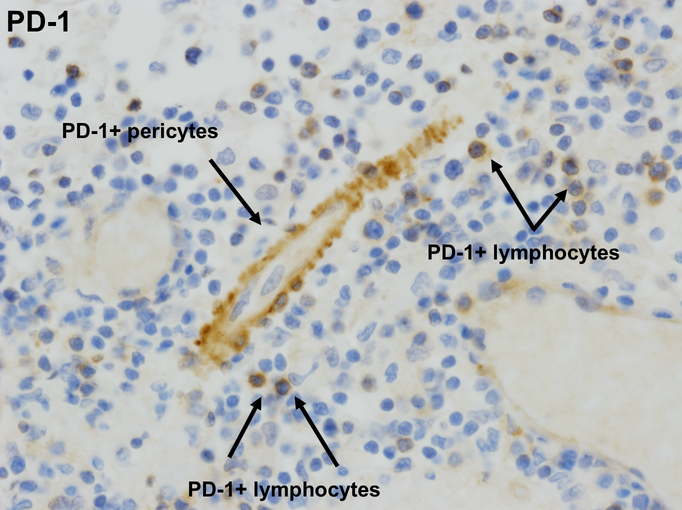
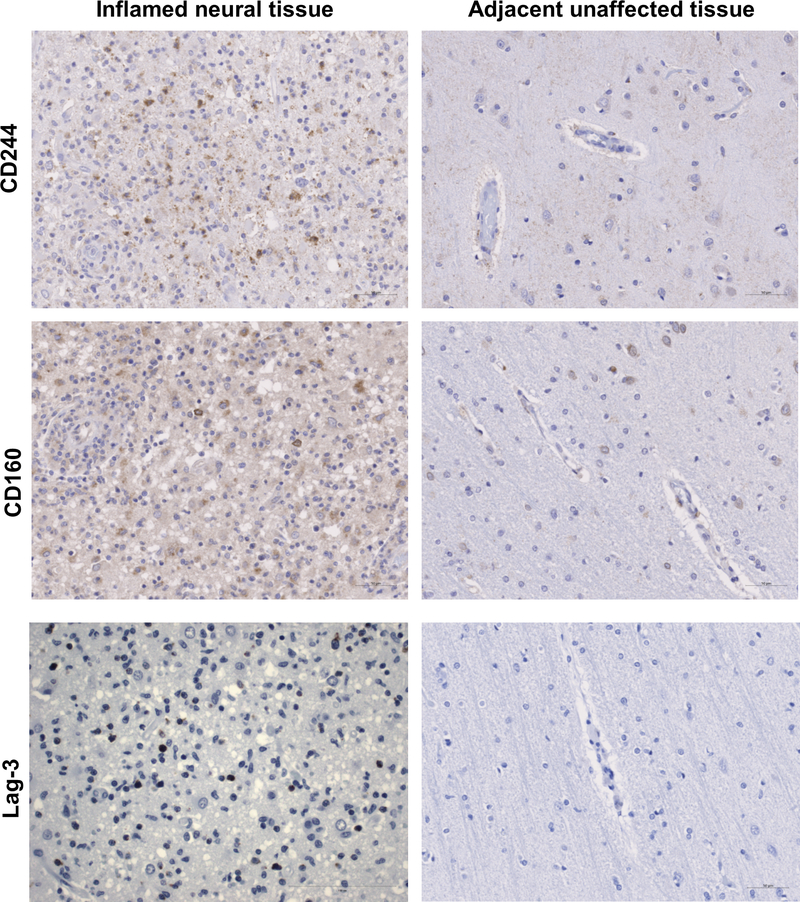
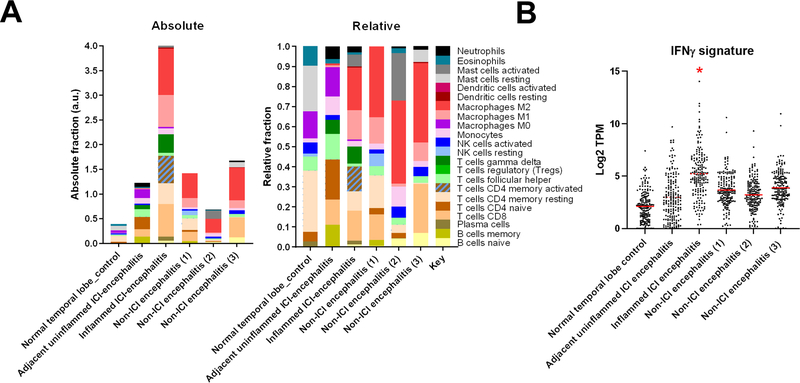
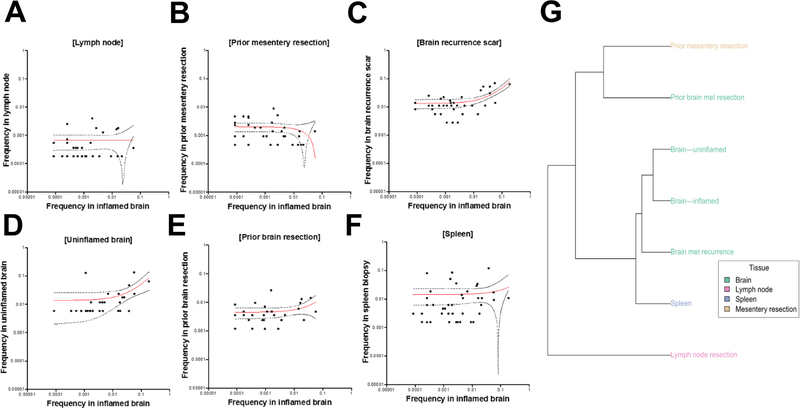
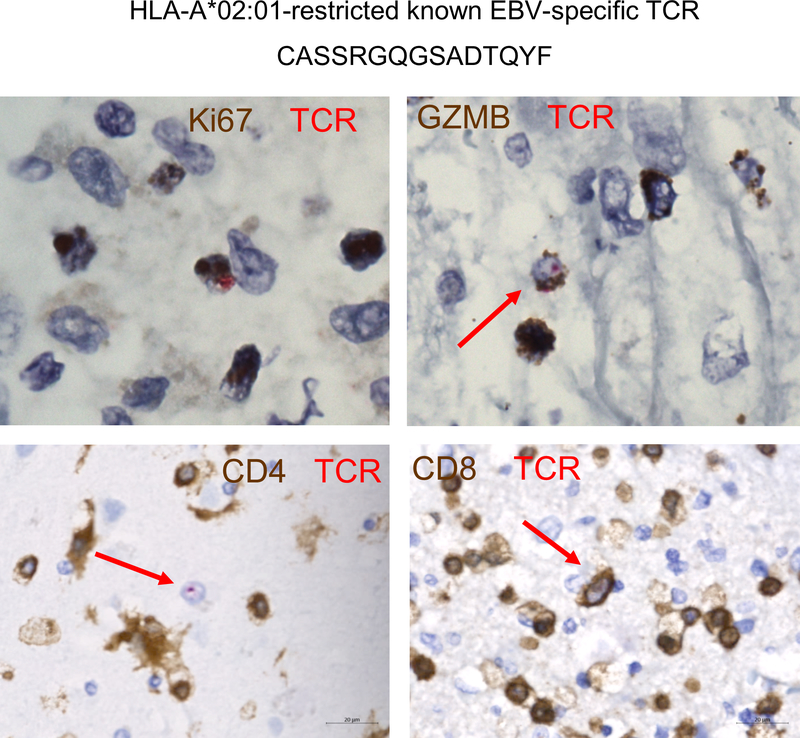
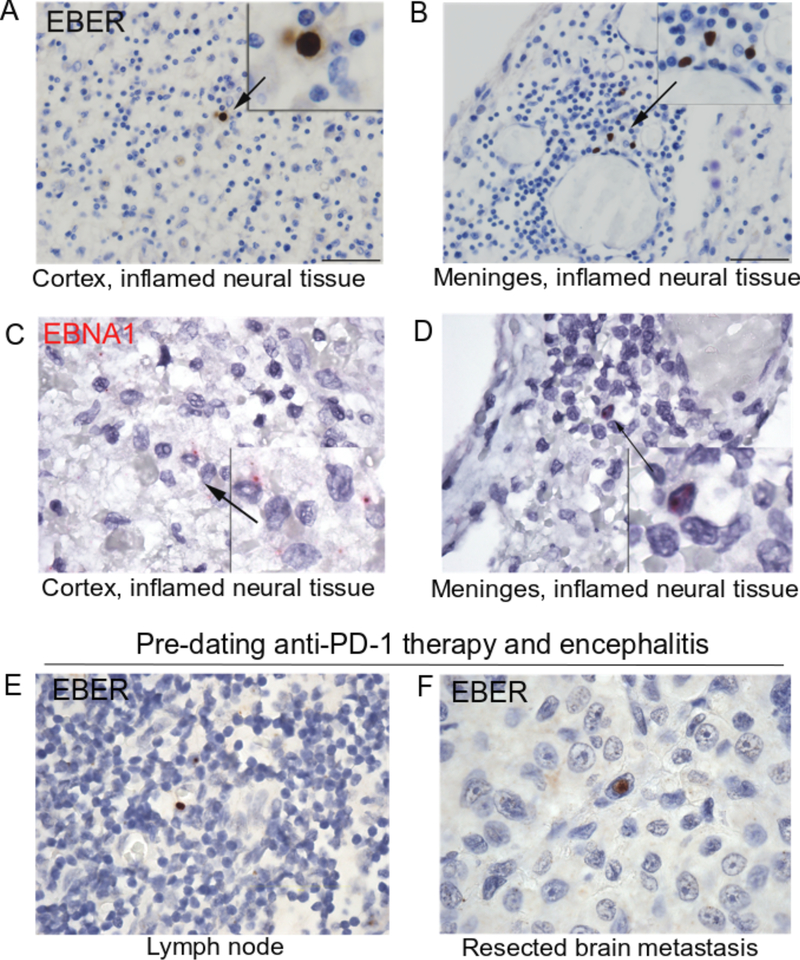
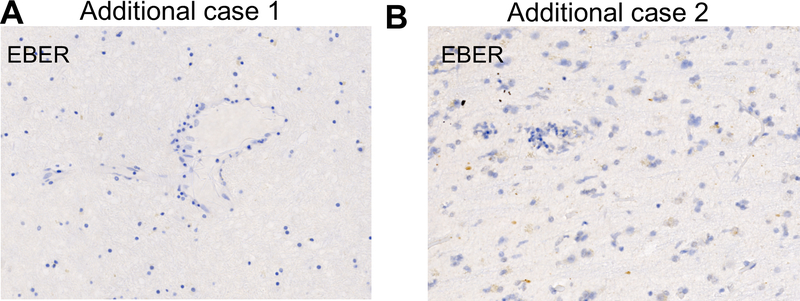
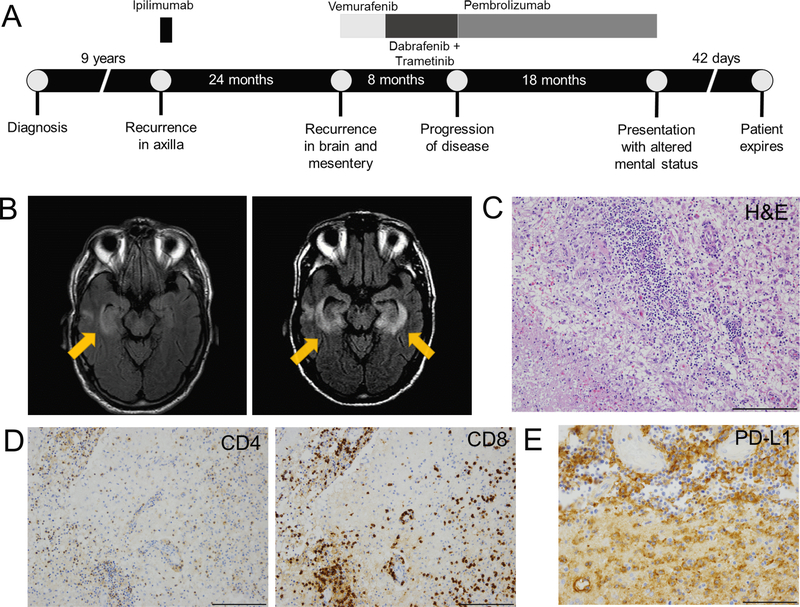
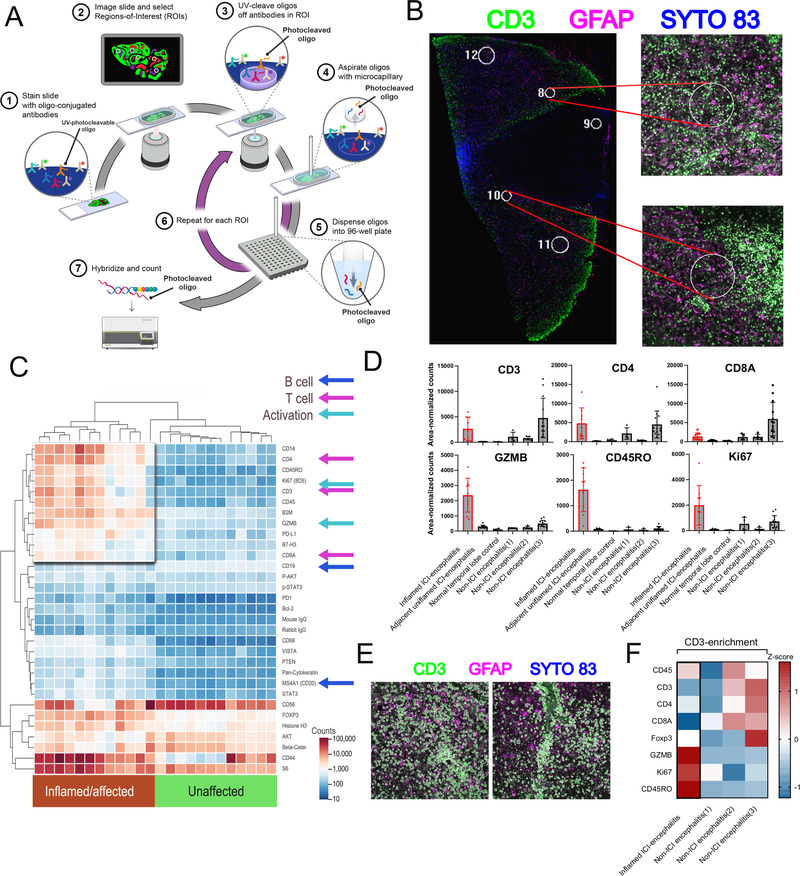
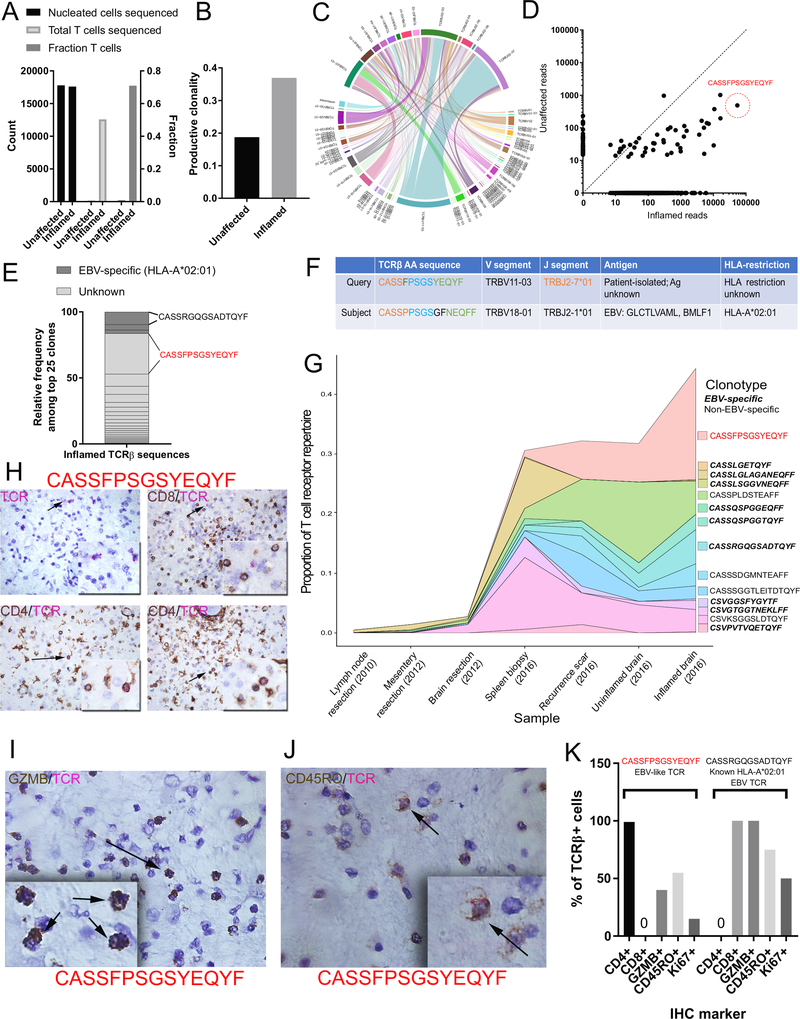
Checkpoint inhibitors produce durable responses in numerous metastatic cancers, but immune-related adverse events (irAEs) complicate and limit their benefit. IrAEs can affect organ systems idiosyncratically; presentations range from mild and self-limited to fulminant and fatal. The molecular mechanisms underlying irAEs are poorly understood. Here, we report a fatal case of encephalitis arising during anti-programmed cell death receptor 1 therapy in a patient with metastatic melanoma. Histologic analyses revealed robust T cell infiltration and prominent programmed death ligand 1 expression. We identified 209 reported cases in global pharmacovigilance databases (across multiple cancer types) of encephalitis associated with checkpoint inhibitor regimens, with a 19% fatality rate. We performed further analyses from the index case and two additional cases to shed light on this recurrent and fulminant irAE. Spatial and multi-omic analyses pinpointed activated memory CD4+ T cells as highly enriched in the inflamed, affected region. We identified a highly oligoclonal T cell receptor repertoire, which we localized to activated memory cytotoxic (CD45RO+GZMB+Ki67+) CD4 cells. We also identified Epstein-Barr virus-specific T cell receptors and EBV+ lymphocytes in the affected region, which we speculate contributed to neural inflammation in the index case. Collectively, the three cases studied here identify CD4+ and CD8+ T cells as culprits of checkpoint inhibitor-associated immune encephalitis.
Conflict of interest statement
Competing interests
Kristi Barker, Joseph Beechem, Yan Liang, and Sarah Warren are employees of NanoString and receive compensation as such. Douglas Johnson serves on advisory boards for Array, Bristol Myers Squibb, Genoptix, Incyte, Merck, and research funding from Bristol Myers Squibb and Incyte. Justin Balko receives consulting fees from Novartis and research support from Genentech and Incyte. Javid Moslehi serves as a consultant or in an advisory role for BMS, Daiichi Sankyo, Novartis, Pfizer, Regeneron, Takeda, Myokardia, Deciphera, and Ipsen and has received research funding from BMS and Pfizer. Cody Chastain receives grant/research funding from Gilead Sciences, Inc. (related to hepatitis C virus).
Figures
References
Methods References
-
- S. A FastQC: a quality control tool for high throughput sequence data. (2010).
-
- Wang L, Wang S & Li W RSeQC: quality control of RNA-seq experiments. Bioinformatics 28, 2184–2185 (2012). - PubMed
Publication types
MeSH terms
Substances
Grants and funding
- K12 CA090625/CA/NCI NIH HHS/United States
- R01 DK112262/DK/NIDDK NIH HHS/United States
- R56 DK108352/DK/NIDDK NIH HHS/United States
- R01 CA227481/CA/NCI NIH HHS/United States
- T32 HL069765/HL/NHLBI NIH HHS/United States
- P30 CA014236/CA/NCI NIH HHS/United States
- R00 CA181491/CA/NCI NIH HHS/United States
- U24 DK059637/DK/NIDDK NIH HHS/United States
- R01 HL141466/HL/NHLBI NIH HHS/United States
- K12 HL143956/HL/NHLBI NIH HHS/United States
- P30 CA068485/CA/NCI NIH HHS/United States
- P30 AI110527/AI/NIAID NIH HHS/United States
- R01 HL155990/HL/NHLBI NIH HHS/United States
- K23 CA204726/CA/NCI NIH HHS/United States
LinkOut - more resources
Full Text Sources
Other Literature Sources
Medical
Research Materials
