


Type 2 diabetes mellitus, oxidative stress and inflammation: examining the links
- PMID: 31333808
- PMCID: PMC6628012
Type 2 diabetes mellitus, oxidative stress and inflammation: examining the links
Abstract
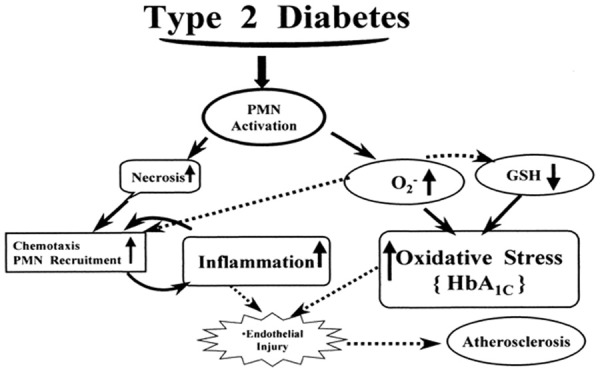
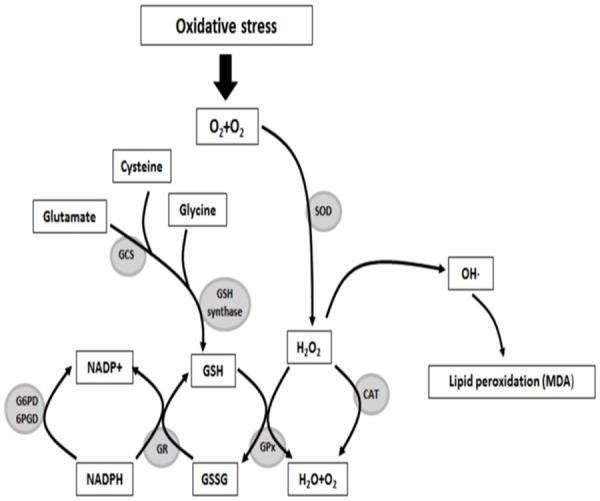
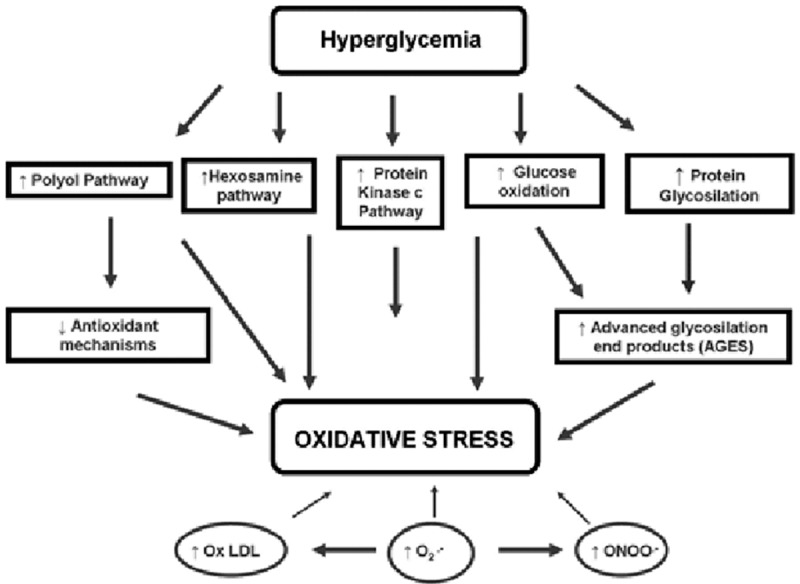
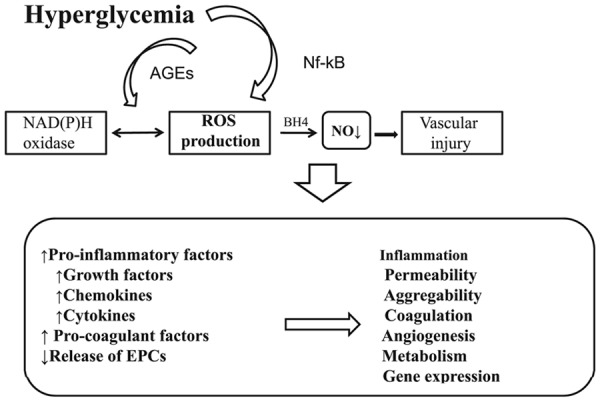
Diabetes mellitus has been recognised as one of the four major non-communicable diseases that demands urgent attention from all key shareholders globally in an effort to address its prevalence and associated complications. It is considered as a top 10 cause of death globally, killing about 1.6 million people worldwide and is seen as the third highest risk factor for worldwide premature mortality due to hyperglycaemia and hyperglycaemic-induced oxidative stress and inflammation. There is a strong link between hyperglycaemia, hyperglycaemic-induced oxidative stress, inflammation and the development and progression of type 2 diabetes mellitus. Various reports have shown that chronic low-grade inflammation is associated with the risk of developing type 2 diabetes and that sub-clinical inflammation contributes to insulin resistance and is linked to the characteristics of metabolic syndrome which include hyperglycaemia. Oxidative stress stimulates the generation of inflammatory mediators and inflammation in turn enhances the production of reactive oxygen species. This interaction between diabetes, oxidative stress and inflammation is the primary motivation for the compilation of this review. Based on previous studies, the review examines the interaction between diabetes, oxidative stress and inflammation, factors promoting prevalence of diabetes mellitus, mechanisms involved in hyperglycaemia-induced oxidative stress with particular focus on type 2 diabetes and selected diabetic complications.
Keywords: Reactive oxygen species; chronic inflammation; hyperglycaemia; interplay; progression.
Conflict of interest statement
None.
Figures
References
-
- Silink M. Childhood diabetes: a global perspective. Horm Res. 2002;57:1–5. - PubMed
-
- Rehman K, Akash MSH. Mechanism of generation of oxidative stress and pathophysiology of type 2 diabetes mellitus: how are they interlinked? J Cell Biochem. 2017;118:3577–3585. - PubMed
-
- Navarro JF, Mora C. Role of inflammation in diabetic complications. Nephrol Dial Transplant. 2005;20:2601–4. - PubMed
-
- Crook M. Is type 2 diabetes mellitus a disease of the innate immune system? Diabet Med. 2004;21:203–7. - PubMed
Publication types
LinkOut - more resources
Full Text Sources