Effect of vibration during local anesthesia administration on pain, anxiety, and behavior of pediatric patients aged 6-11 years: A crossover split-mouth study
- PMID: 31338420
- PMCID: PMC6620534
- DOI: 10.17245/jdapm.2019.19.3.143
Effect of vibration during local anesthesia administration on pain, anxiety, and behavior of pediatric patients aged 6-11 years: A crossover split-mouth study
Abstract
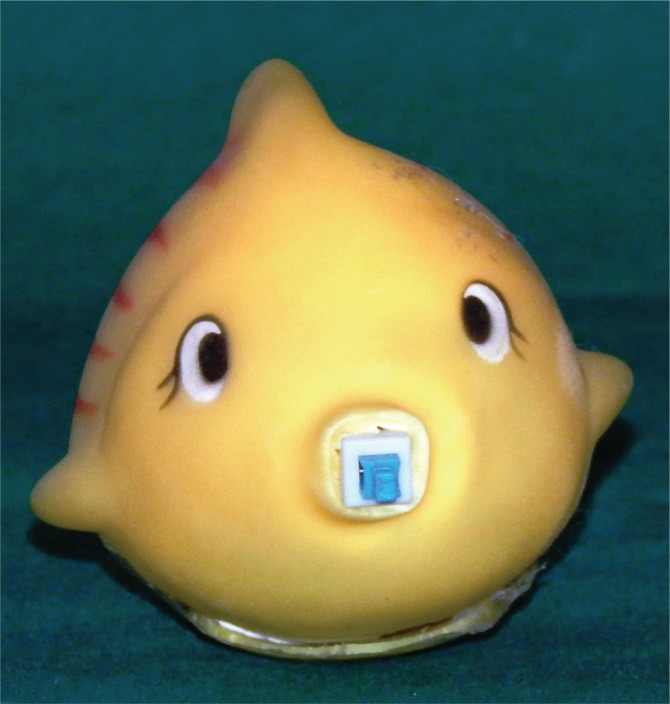
Background: Uncooperative behavior of children due to dental anxiety may interfere with the effective delivery of dental care and compromise the quality of treatment provided. Injection of local anesthesia is one of the most anxiety-inducing stimuli in pediatric dentistry. This study aimed to compare the efficacy of a child-friendly device, having a combined effect of vibration and distraction, with the conventional method of injection on pain, anxiety, and behavior of pediatric patients aged 6-11 years.
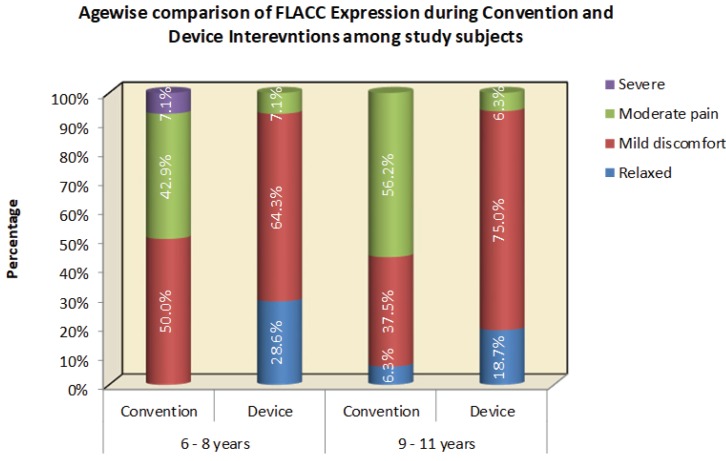
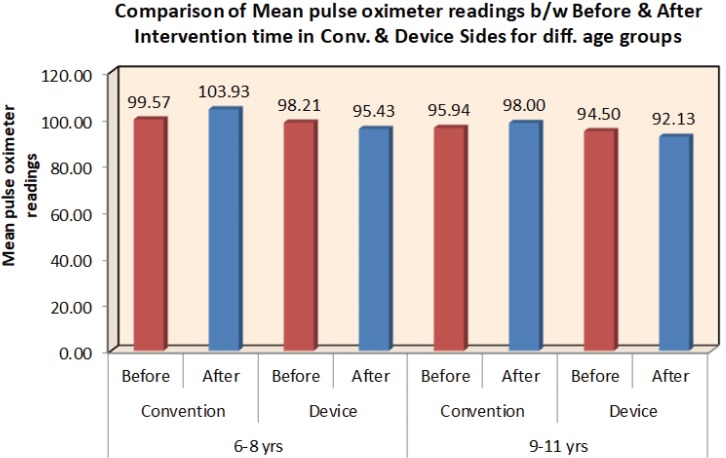
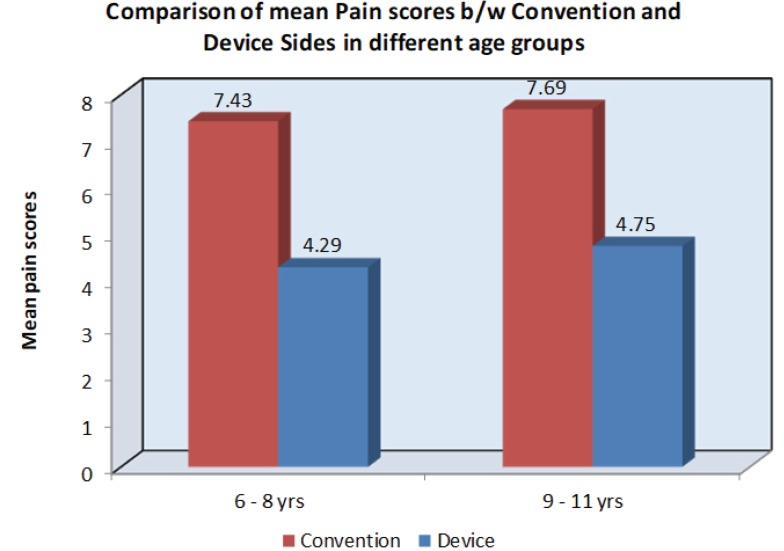
Methods: This randomized, crossover, split-mouth study included 30 children requiring a bilateral inferior alveolar nerve block. The children were equally divided into two groups: group 1, aged 6-8 and group 2, aged 9-11 years. All children were injected with anesthesia using the conventional and device method in two separate sessions. They were assessed for anxiety by measuring the pulse rate before and during the administration of local anesthesia. Behavior was assessed using Faces, Legs, Activity, Cry, Consolability (FLACC) scale, and the child's experience while receiving anesthesia was assessed using the Wong Bakers Pain Rating Scale.
Results: Results showed that the children who received local anesthesia using the device method had a lower mean pulse rate, FLACC scores, and pain rating scores than those who received local anesthesia using the conventional method.
Conclusion: The device method was more effective than the conventional method in managing pain, anxiety, and behavior of patients aged 6-11 years. The device is a cost effective, simple, and child-friendly product for administrating local anesthesia in pediatric patients.
Keywords: Behavior; Distraction; Local Anesthesia; Pain; Pediatric Dentistry; Vibration.
Conflict of interest statement
DECLARATION OF INTERESTS: The authors declare that they have no financial or competing interests.
Figures
References
-
- Shilpapriya M, Jayanthi M, Reddy VN, Sakthivel R, Selvaraju G, Vijayakumar P. Effectiveness of new vibration delivery system on pain associated with injection of local anaesthesia in children. J Indian Soc Pedod Prev Dent. 2015;33:173–176. - PubMed
-
- Chaudhry K, Shishodia M, Singh C, Tuli A. Comparative evaluation of pain perception by vibrating needle (Vibraject™) and conventional syringe anaesthesia during various dental procedures in pediatric patients: a short study. Int Dent Med J Adv Res. 2015;1:1–5.
-
- Colaric KB, Overton DT, Moore K. Pain reduction in lidocaine administration through buffering and warming. Am J Emerg Med. 1998;16:353–356. - PubMed
-
- Mohiuddin I, Setty JV, Srinivasan I, Desai JA. Topical application of local anaesthetic gel vs ice in pediatric patients for infiltration anaesthesia. J Evol Med Dent Sci. 2015;4:12934–12940.
LinkOut - more resources
Full Text Sources
Medical