


New insights into the mechanisms of diabetic complications: role of lipids and lipid metabolism
- PMID: 31346658
- PMCID: PMC6679814
- DOI: 10.1007/s00125-019-4959-1
New insights into the mechanisms of diabetic complications: role of lipids and lipid metabolism
Abstract
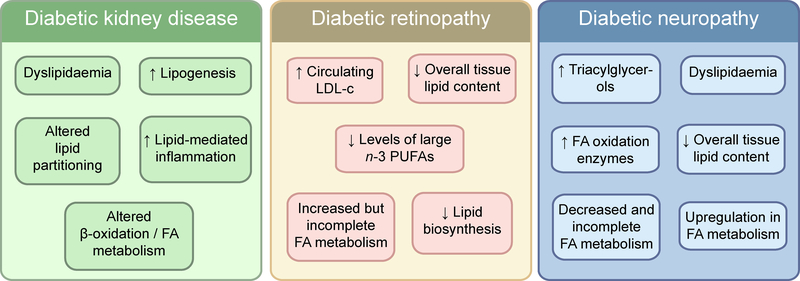
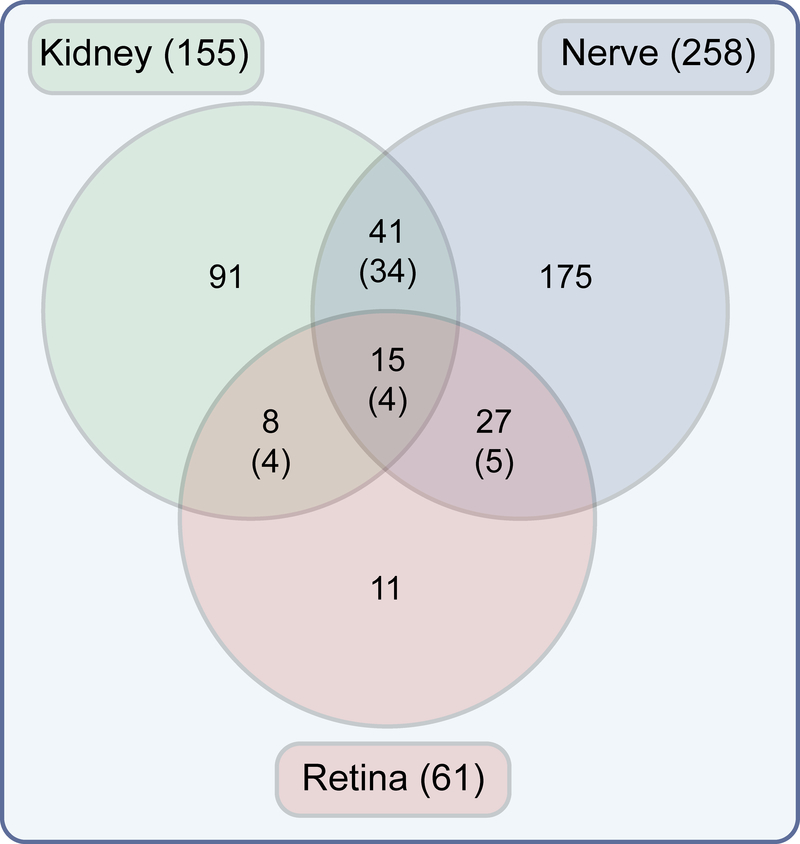
Diabetes adversely affects multiple organs, including the kidney, eye and nerve, leading to diabetic kidney disease, diabetic retinopathy and diabetic neuropathy, respectively. In both type 1 and type 2 diabetes, tissue damage is organ specific and is secondary to a combination of multiple metabolic insults. Hyperglycaemia, dyslipidaemia and hypertension combine with the duration and type of diabetes to define the distinct pathophysiology underlying diabetic kidney disease, diabetic retinopathy and diabetic neuropathy. Only recently have the commonalities and differences in the metabolic basis of these tissue-specific complications, particularly those involving local and systemic lipids, been systematically examined. This review focuses on recent progress made using preclinical models and human-based approaches towards understanding how bioenergetics and metabolomic profiles contribute to diabetic kidney disease, diabetic retinopathy and diabetic neuropathy. This new understanding of the biology of complication-prone tissues highlights the need for organ-specific interventions in the treatment of diabetic complications.
Keywords: Diabetes; Diabetic complications; Lipid metabolism; Omics; Review; Specific mechanisms.
Figures
References
-
- International Diabetes Federation (2017) Diabetes facts and figures. Available from https://idf.org/aboutdiabetes/what-is-diabetes/facts-figures.html. Accessed - PubMed
-
- Forbes JM, Cooper ME (2013) Mechanisms of diabetic complications. Physiol Rev 93: 137–188 - PubMed
-
- United States Renal Data System (2018) 2018 annual data report. Available from www.usrds.org/adrhighlights.aspx Accessed
Publication types
MeSH terms
Grants and funding
LinkOut - more resources
Full Text Sources
Medical
