


Antioxidants and Atherosclerosis: Mechanistic Aspects
- PMID: 31349600
- PMCID: PMC6722928
- DOI: 10.3390/biom9080301
Antioxidants and Atherosclerosis: Mechanistic Aspects
Abstract
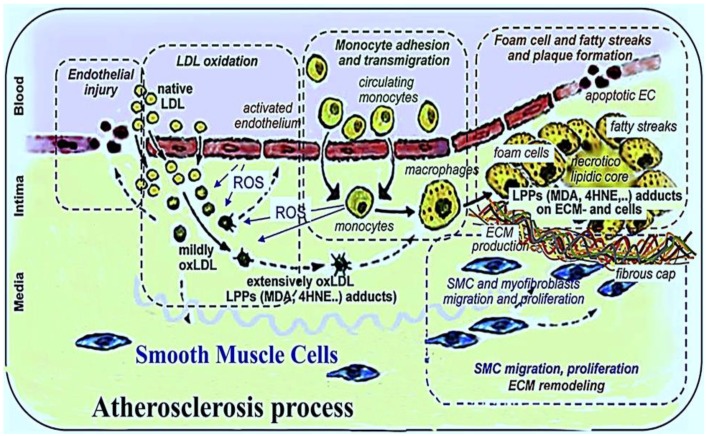
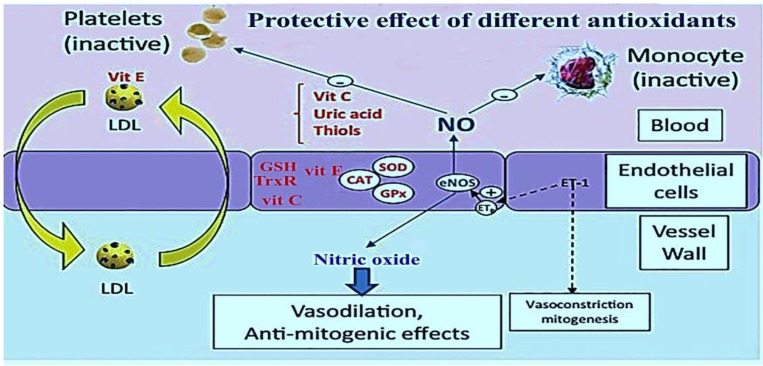
Atherosclerosis is a chronic inflammatory disease which is a major cause of coronary heart disease and stroke in humans. It is characterized by intimal plaques and cholesterol accumulation in arterial walls. The side effects of currently prescribed synthetic drugs and their high cost in the treatment of atherosclerosis has prompted the use of alternative herbal medicines, dietary supplements, and antioxidants associated with fewer adverse effects for the treatment of atherosclerosis. This article aims to present the activity mechanisms of antioxidants on atherosclerosis along with a review of the most prevalent medicinal plants employed against this multifactorial disease. The wide-ranging information in this review article was obtained from scientific databases including PubMed, Web of Science, Scopus, Science Direct and Google Scholar. Natural and synthetic antioxidants have a crucial role in the prevention and treatment of atherosclerosis through different mechanisms. These include: The inhibition of low density lipoprotein (LDL) oxidation, the reduction of reactive oxygen species (ROS) generation, the inhibition of cytokine secretion, the prevention of atherosclerotic plaque formation and platelet aggregation, the preclusion of mononuclear cell infiltration, the improvement of endothelial dysfunction and vasodilation, the augmentation of nitric oxide (NO) bioavailability, the modulation of the expression of adhesion molecules such as vascular cell adhesion molecule-1 (VCAM-1) and intercellular adhesion molecule-1 (ICAM-1) on endothelial cells, and the suppression of foam cell formation.
Keywords: LDL oxidation; antioxidant; atherosclerosis; medicinal plants; oxidative stress; reactive oxygen species.
Conflict of interest statement
The authors declare that there are no conflicts of interest regarding the publication of this review.
Figures
References
Publication types
MeSH terms
Substances
LinkOut - more resources
Full Text Sources
Medical
Miscellaneous
