


Continuous positive airway pressure (CPAP) vs noninvasive positive pressure ventilation (NIPPV) vs noninvasive high frequency oscillation ventilation (NHFOV) as post-extubation support in preterm neonates: protocol for an assessor-blinded, multicenter, randomized controlled trial
- PMID: 31349833
- PMCID: PMC6659219
- DOI: 10.1186/s12887-019-1625-1
Continuous positive airway pressure (CPAP) vs noninvasive positive pressure ventilation (NIPPV) vs noninvasive high frequency oscillation ventilation (NHFOV) as post-extubation support in preterm neonates: protocol for an assessor-blinded, multicenter, randomized controlled trial
Abstract
Background: Various noninvasive respiratory support modalities are available in neonatal critical care in order to minimize invasive ventilation. Continuous positive airway pressure (CPAP) is the more commonly used but noninvasive positive pressure ventilation (NIPPV) seems more efficacious in the early post-extubation phase, although it is not clear if NIPPV may influence longterm outcomes. A recently introduced alternative is noninvasive high frequency oscillatory ventilation (NHFOV) which might be especially useful in babies needing high constant distending pressure. Preterm neonates may receive these respiratory supports for several weeks. Nonetheless, no data are available for the longterm use of NIPPV and NHFOV; few data exist on NHFOV and clinical outcomes, although its safety and suitability are reported in a number of preliminary short-term studies.
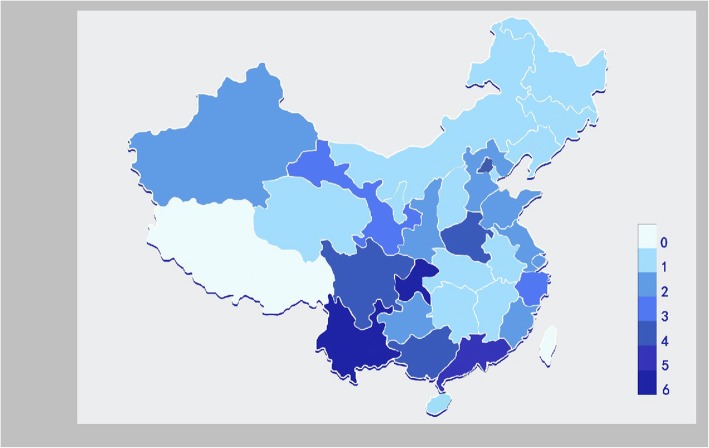
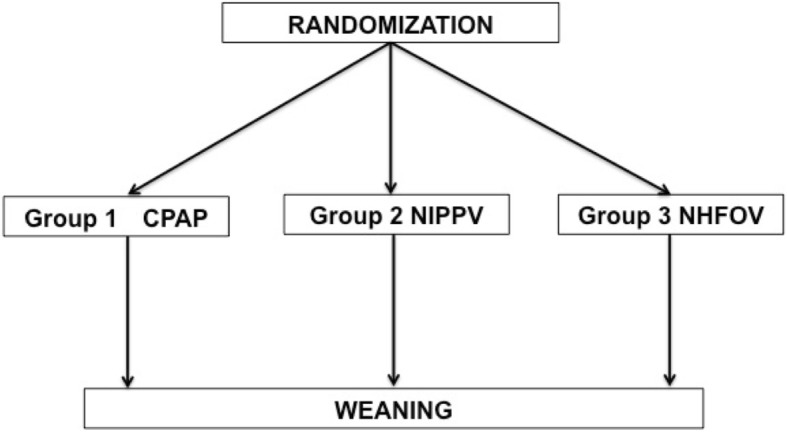
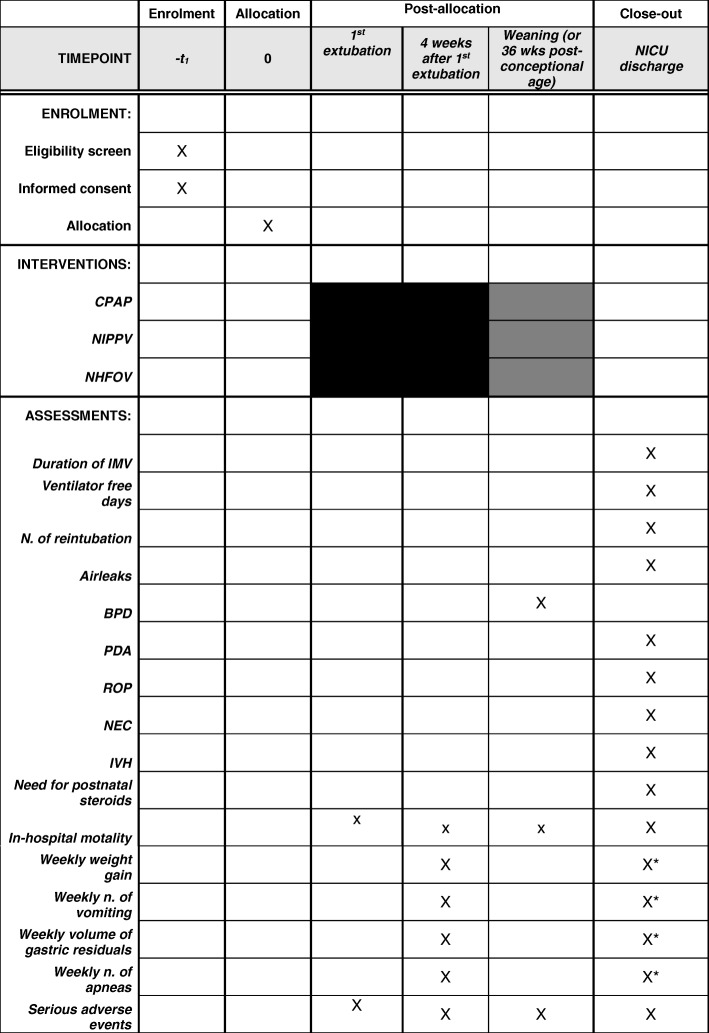
Methods: We designed an assessor-blinded, multicenter, three-arms, parallel, pragmatic, randomized, controlled trial with a superiority design, investigating the use of CPAP vs NIPPV vs NHFOV during the whole stay in neonatal intensive care units in China. Since safety data will also be analyzed it may be considered a phase II/III trial. Moreover, subgroup analyses will be performed on patients according to prespecified criteria based on physiopathology traits: these subgroup analyses should be considered preliminary. At least 1440 neonates are supposed to be enrolled. The trial has been designed with the collaboration of international colleagues expert in NHFOV, who will also perform an interim analysis at the about 50% of the enrolment.
Discussion: The study is applying the best trial methodology to neonatal ventilation, a field where it is often difficult to do so for practical reasons. Nonetheless, ours is also a physiology-driven trial, since interventions are applied based on physiological perspective, in order to use ventilatory techniques at their best. The pragmatic design will increase generalizability of our results but subgroup analyses according to predefined physiopathological criteria are also previewed trying to have some advantages of an explanatory design. Since not all clinicians are well versed in all respiratory techniques, the training is pivotal. We intend to apply particular care to train the participating units: a specific 3-month period and several means have been dedicated to this end.
Trial registration: NCT03181958 (registered on June 9, 2017).
Keywords: Neonate; Non invasive high frequency oscillatory ventilation; Noninvasive respiratory ventilation.
Conflict of interest statement
YS has no interest to declare DDL has received research support, travel grants and/or consultancy fee from Carefusion (now Vyaire), Acutronic and Getinge. Those are industries producing neonatal ventilators. These companies are not involved at all in the study and will not have any role in the conduct of the study; collection, management, analysis, and interpretation of the data; preparation, review, approval of the manuscript or decision to submit it for publication. Many different ventilators will be variably used in the trial (see Methods and design).
Figures
References
-
- Lemons JA, Bauer CR, Oh W, Korones SB, Papile LA, Stoll BJ, Verter J, Temprosa M, Wright LL, Ehrenkranz RA, Fanaroff AA, Stark A, Carlo W, Tyson JE, Donovan EF, Shankaran S, Stevenson DK. Very low birth weight infant outcomes of the NICHD neonatal research network. Pediatrics. 2001;107:1–8. doi: 10.1542/peds.107.1.e1. - DOI - PubMed
-
- Subramaniam P, Ho JJ, Davis PG. Prophylactic nasal continuous positive airway pressure for preventing morbidity and mortality in very preterm infants. Cochrane Database Syst Rev. 2016;6:CD001243. - PubMed
Publication types
MeSH terms
Supplementary concepts
Associated data
LinkOut - more resources
Full Text Sources
Medical
