


Gene and Tissue Engineering For the Treatment of Diabetes and Its Retinal Complications: The Use of Nucleic Acid Constructs Bearing A TXNIP Gene Promoter
- PMID: 31355358
- PMCID: PMC6660148
- DOI: 10.19080/CTBEB.2018.13.555869
Gene and Tissue Engineering For the Treatment of Diabetes and Its Retinal Complications: The Use of Nucleic Acid Constructs Bearing A TXNIP Gene Promoter
Abstract
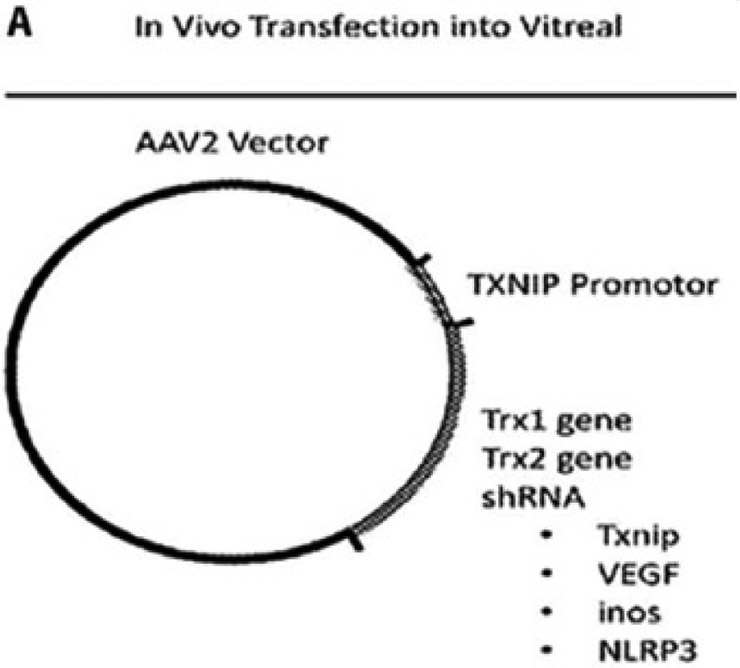
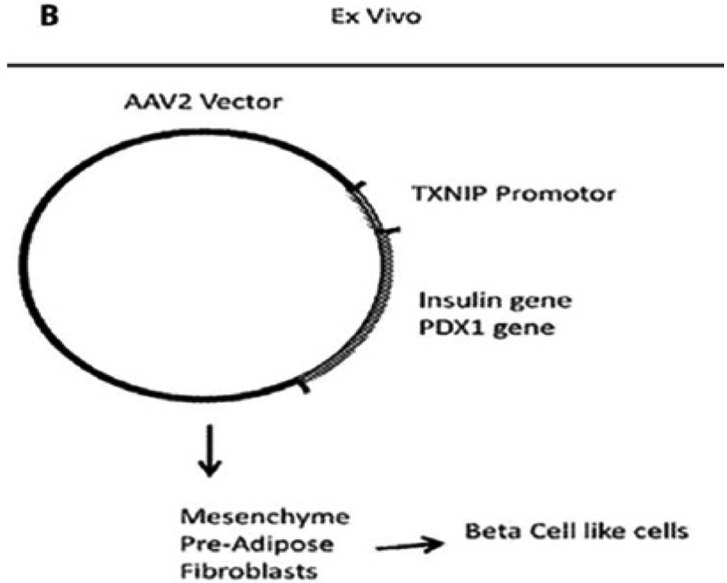
Diabetes is a chronic disease in which insulin production is deficient (Type 1) or resistant (Type 2) leading to organ complications including the heart, kidney, retina, and peripheral nerves. About 10% of diabetics are Type 1 while ~90 percent are Type 2 associated with life style changes and obesity. Whether it is Type 1 or Type 2, chronic hyperglycemia prevails and associated oxidative stress and low grade inflammation are considered to play critical roles in diabetes and its complications including diabetic retinopathy (DR). Thioredoxin-Interacting Protein, TXNIP, is strongly induced by diabetes and high glucose in all tissues examined including the pancreatic beta cells and the retina. TXNIP binds to and inhibits the anti-oxidant and thiol reducing capacity of thioredoxins and causes cellular oxidative stress, inflammation and premature cell death. TXNIP is induced strongly by high glucose and its metabolites with minutes and remains elevated as long as hyperglycemia persists. Therefore, the TXNIP gene promoter linked with insulin or a gene of interest may be used to induce gene expression or suppression and in tissue engineering for adipose or tissue-derived autologous stem cells producing insulin for the treatment of diabetes and its complications such as DR as well as age-related neurodegenerative diseases.
Keywords: Adipose stem cells; Diabetes; Diabetic retinopathy; Gene therapy; TXNIP promoter; Tissue engineering.
Figures
References
-
- Riddy DM, Delerive P, Summers RJ, Sexton PM, Langmead CJ (2018) G Protein-Coupled Receptors Targeting Insulin Resistance, Obesity, and Type 2 Diabetes Mellitus. Pharmacol Rev 70(1): 39–67. - PubMed
-
- American Diabetes Association (2018) Prevention or Delay of Type 2 Diabetes: Standards of Medical Care in Diabetes-2018. Diabetes Care 41(Suppl 1): S51–S54. - PubMed
-
- Kohn M, Booth (2003) The worldwide epidemic of obesity in adolescents. Adolesc Med 14(1): 1–9. - PubMed
Grants and funding
LinkOut - more resources
Full Text Sources