


Are new national malaria strategic plans informed by the previous ones? A comprehensive assessment of sub-Saharan African countries from 2001 to present
- PMID: 31358012
- PMCID: PMC6664540
- DOI: 10.1186/s12936-019-2898-4
Are new national malaria strategic plans informed by the previous ones? A comprehensive assessment of sub-Saharan African countries from 2001 to present
Abstract
Background: New national malaria strategic plans (NMSPs) should build upon the achievements and challenges identified during the implementation of previous plans, but there is limited research on the transition process between NMSPs. This study aims to fill this gap through an assessment of NMSPs across sub-Saharan Africa.
Methods: The study reviewed the two most recent NMSPs for selected sub-Saharan African countries. Targets for six core malaria indicators were extracted from each NMSP and compared to the coverage achieved according to corresponding population-based surveys completed near the end of the NMSP term. Implementation challenges and proposed solutions identified through the NMSP analysis were documented. The current NMSP was reviewed to determine whether proposed solutions had been integrated into the strategy.
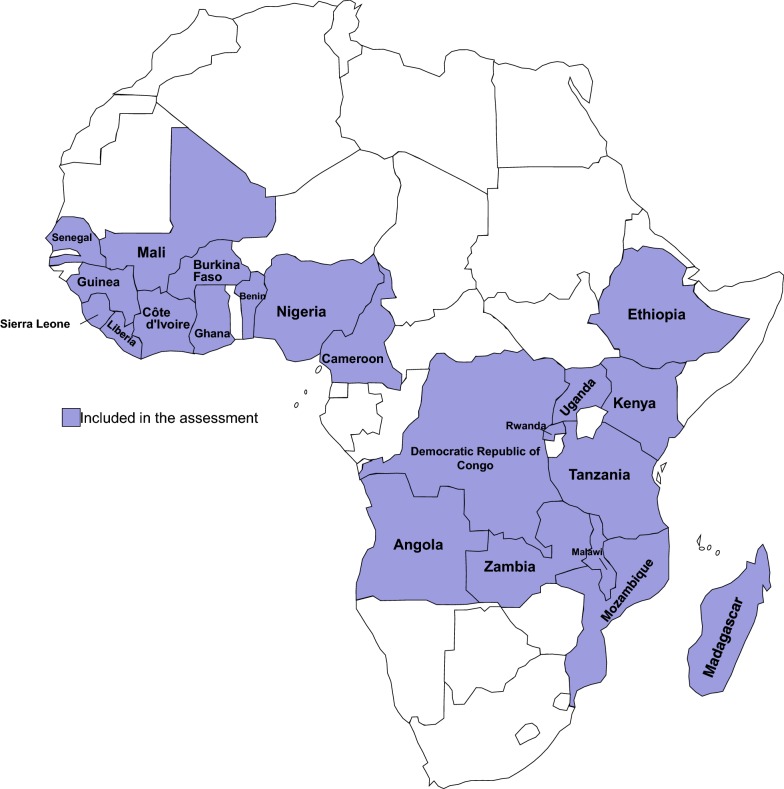
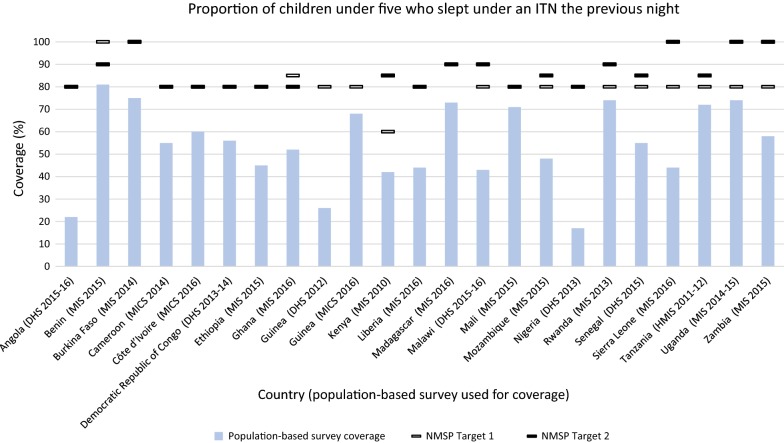
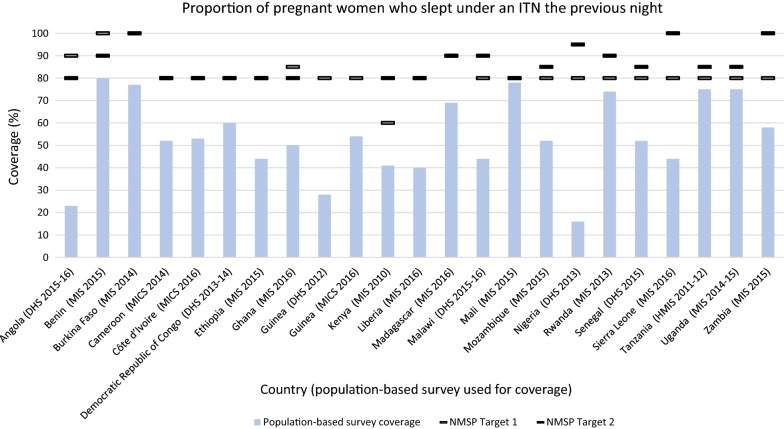
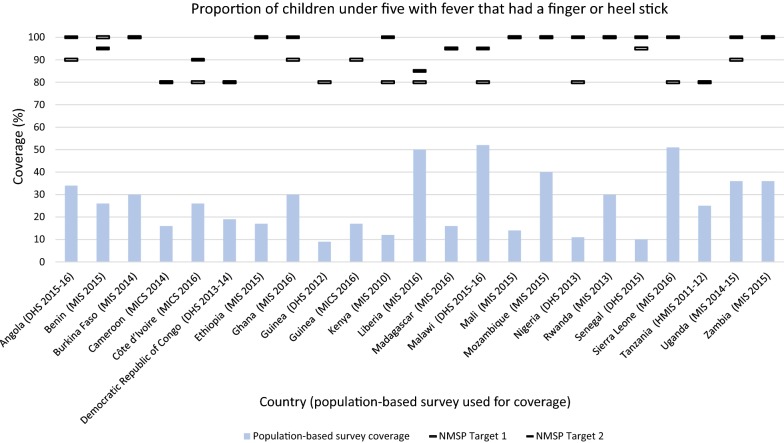
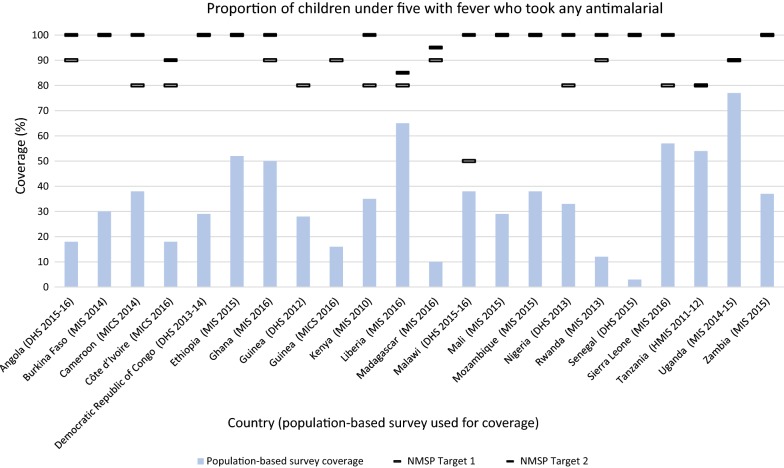
Results: Twenty-two countries in sub-Saharan Africa were included in the assessment. Of the 135 verified targets, only 4 were achieved. No country reached more than one of the six targets assessed in each NMSP. Despite this low success rate, only four of the 22 countries lowered a subsequent target, with most setting the next target at an equal or greater level. Most NMSPs identified solutions to address implementation challenges faced, but the solutions were not always fully incorporated in the new strategy.
Conclusions: The results show a disconnect between NMSPs. Most targets were set according to global goals rather than the individual country's previous achievements and limitations. This indicates a need to revise the NMSP development process to guide programmes in defining targets based on their country context and incorporate strategies to address challenges identified in the previous NMSP. This will allow countries to set and meet achievable targets as they work toward global goals.
Keywords: Control; Elimination; Evidence-based; Malaria; Monitoring; National malaria strategic plan; Planning; Policy; Sub-Saharan Africa.
Conflict of interest statement
The authors declare that they have no competing interests.
Figures


References
-
- WHO . The world health report: 1999: making a difference. Geneva: World Health Organization; 1999.
-
- RBM . The Abuja declaration on Roll Back Malaria in Africa. Abuja: Roll Back Malaria; 2000.
-
- WHO . Manual for developing a national malaria strategic plan. Brazzaville: World Health Organization; 2011.
-
- WHO . Malaria programme reviews: a manual for reviewing the performance of malaria control and elimination programmes. Geneva: World Health Organization; 2010.
MeSH terms
LinkOut - more resources
Full Text Sources
Medical
Miscellaneous
