. 2019 Sep-Oct;128(1-2):1-9.
doi: 10.1016/j.ymgme.2019.07.011. Epub 2019 Jul 19.

Complex patterns of inheritance, including synergistic heterozygosity, in inborn errors of metabolism: Implications for precision medicine driven diagnosis and treatment

Affiliations

Complex patterns of inheritance, including synergistic heterozygosity, in inborn errors of metabolism: Implications for precision medicine driven diagnosis and treatment

Jerry Vockley et al. Mol Genet Metab. 2019 Sep-Oct.

Abstract

Inborn errors of metabolism have traditionally been viewed as the quintessential single gene disorders; defects in one gene leads to loss of activity of one enzyme causing a metabolic imbalance and clinical disease. However, reality has never been quite that simple, and the classic "one gene-one enzyme" paradigm has been upended in many ways. Multiple gene defects can lead to the same biochemical phenotype, often with different clinical symptoms. Additionally, different mutations in the same gene can cause variable phenotypes, often most dramatic when a disease can be identified by pre-symptomatic screening. Moreover, response to therapy is not homogeneous across diseases and specific mutations. Perhaps the biggest deviation from traditional monogenic inheritance is in the setting of synergistic heterozygosity, a multigenic inheritance pattern in which mutations in multiple genes in a metabolic pathway lead to sufficient disruption of flux through the pathway, mimicking a monogenic disorder caused by homozygous defects in one gene in that pathway. In addition, widespread adoption of whole exome and whole genome sequencing in medical genetics has led to the realization that individual patients with apparently hybrid phenotypes can have mutations in more than one gene, leading to a mixed genetic disorder. Each of these situations point to a need for as much precision as possible in diagnosing metabolic disease, and it is likely to become increasingly critical to drive therapy. This article examines examples in traditional monogenic disorders that illustrates these points and define inborn errors of metabolism as complex genetic traits on the leading edge of precision medicine.


Figures

Fig. 1.
Fig. 1.
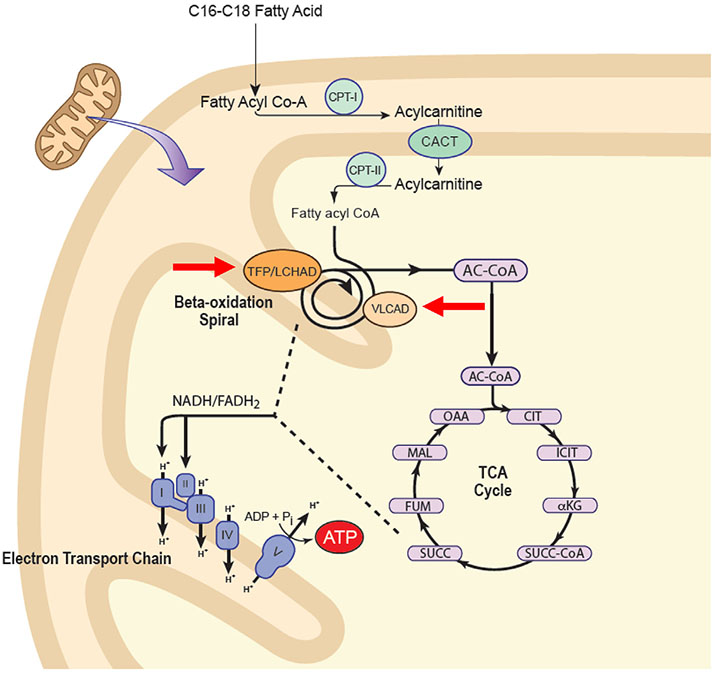
Possible sites of defects leading to synergistic heterozygosity in disorders of energy metabolism. Multiple enzymes must function together to produce optimum energy output. In the first patient described in the text, heterozygous mutations in ACADVL and mitochondrial HADHA were identified (red arrows). We have previously described patients with symptoms of energy deficiency and heterozygous mutations in fatty acid oxidation and the electron transport chain. Adapted from [61].
Fig. 2.
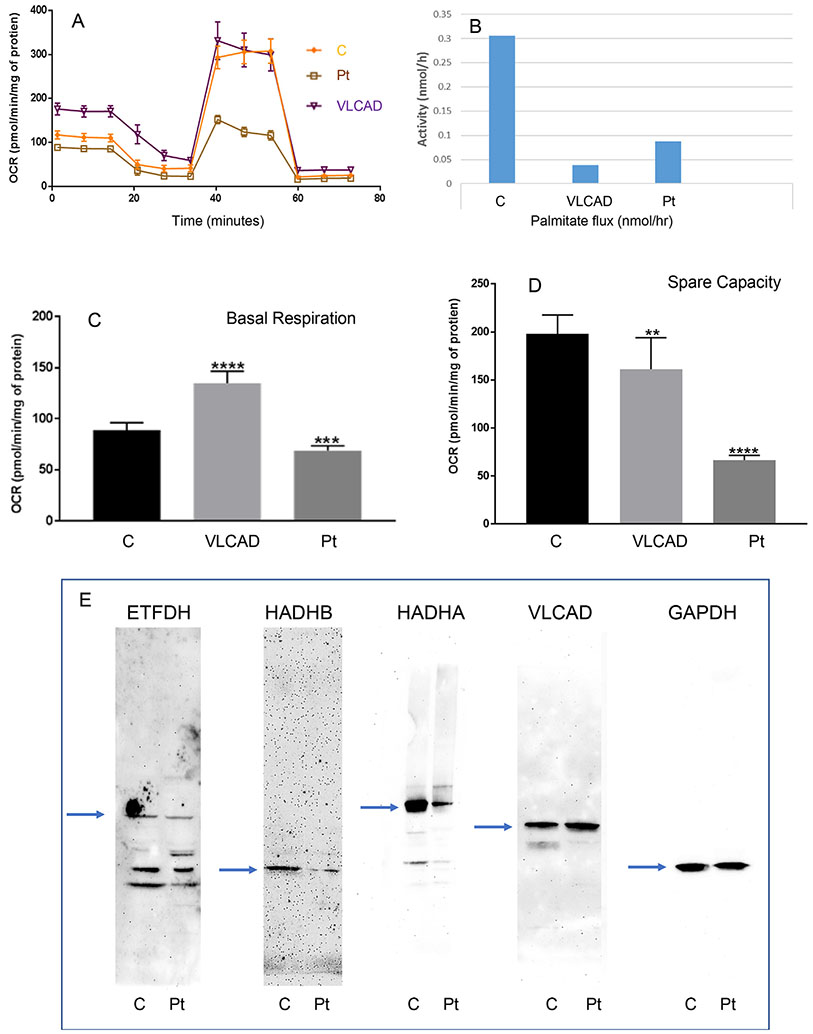
Fig. 2.. Analysis of a synergistic heterozygous cell line.
A. Oxygen consumption rate (OCR) was measured with a Seahorse XFe96 Extracellular Flux Analyzer (Agilent, Santa Clara, CA). Cells were seeded in 96-well Seahorse tissue culture microplates in growth media at a density of 60,000 cells per well. Initial OCR was measured to establish basal respiration (C) followed by injection of oligomycin (an inhibitor of ATP synthase) that reduces OCR, representing ATP turnover. Subsequent injection of 300 nM carbonyl cyanide 4-(trifluoromethoxy)phenylhydrazone (FCCP, Seahorse XF Cell Mito Stress Test Kit, Santa Clara, CA) dissipates the proton gradient and allows maximum respiration. The rise in OCR upon FCCP addition represents mitochondrial reserve capacity (D). Finally, rotenone and anti-mycin A were added to effectively disable the electron transport chain and inhibiting the total mitochondrial respiration. The remaining OCR represents non-mitochondrial respiration. In all panels, C = control cell line; VLCAD = VLCAD deficient cell line; Pt = cells from the patient with the ETFDH and HADHB mutations. B. Flux through the FAO pathway was quantified by production of 3H2O from [9,10-3H] palmitate. E. Western blots of cellular extracts probed with antibodies to the proteins indicated at the top of each panel. The arrows indicate the expected migration of the native protein (ETFDH, 68 kDa; HADHB, 50 kDa; HADHA, 75 kDa; VLCAD, 48 kDH; GAPDH loading control, 37 kDa).
Fig. 3.
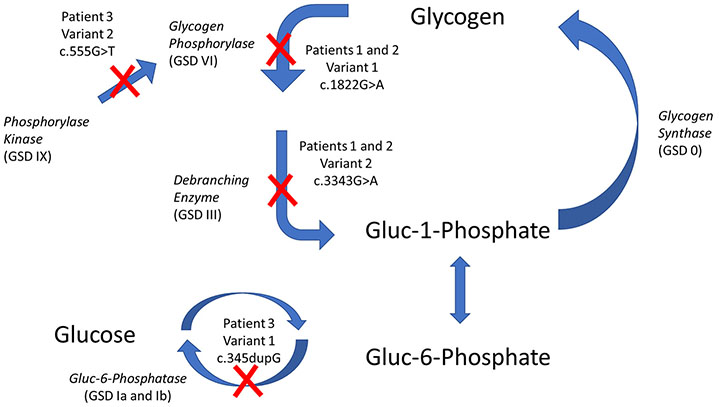
Fig. 3.. Defects in Glycogenolysis Caused by Synergistic Heterozygosity Resulting in a GSD Phenotype.
Defects identified in patients in this study are identified with a red X.
Fig. 4.
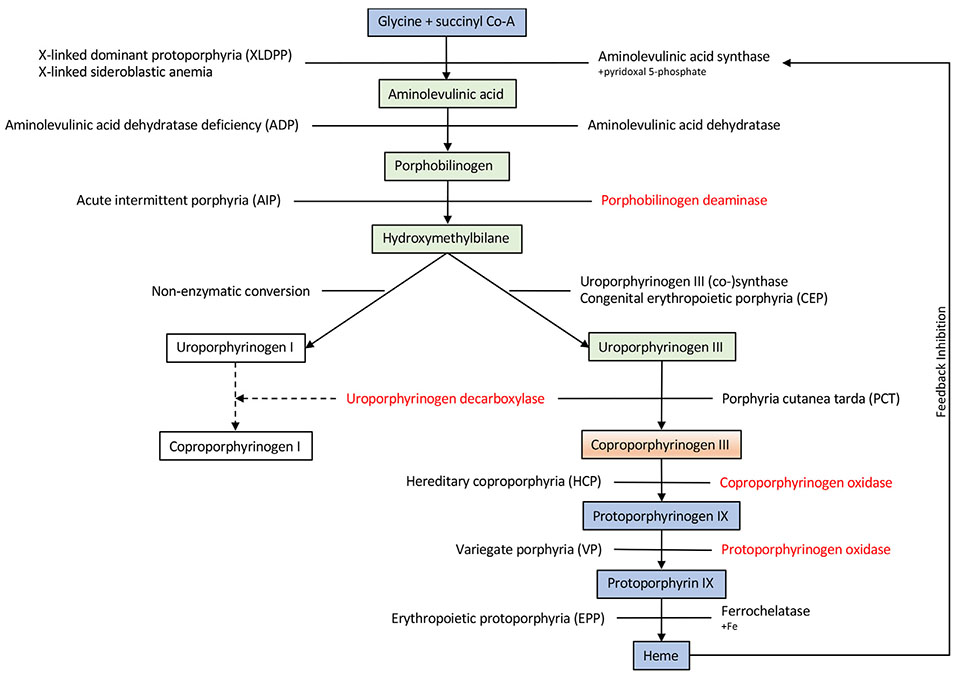
Fig. 4.. Heme biosynthetic pathway.
Heme biosynthesis consists of eight enzymatic steps, with the first and the last three steps (Blue) occurring in the mitochondria and the intermediate four steps (Green) occurring in the cytosol. Note that Coproporphyrinogen III is (Orange) produce in the cytosol, however its conversion to Protoporphyrinogen IX occurs in the mitochondrial. If there is an enzymatic defect or inhibitor, metabolites may accumulate, resulting in expression of clinical symptoms. The disorders are listed on the left while the enzymes are listed on the right, except for congenital erythropoietic porphyria (CEP) in which the enzyme and disorder are listed on the right on top of each other; and porphyria cutanea tarda (PCT) in which they are in opposite sites. Aminolevulinic acid synthase (rate limiting enzyme) is induced depending on the bioavailability of free heme pool. *In red are enzymes associated with the corresponding metabolic steps found in dual porphyrias.

References

    1. Grosse SD, Dezateux C, Newborn screening for inherited metabolic disease, Lancet 369 (2007) 5–6. - PubMed
    1. Rinaldo P, Lim JS, Tortorelli S, Gavrilov D, Matern D, Newborn screening of metabolic disorders: recent progress and future developments, Nestle Nutr Workshop Ser Pediatr Program 62 (2008) 81–93 (discussion 93-86). - PubMed
    1. Bennett MJ, Rinaldo P, Wilcken B, Pass KA, Watson MS, Wanders RJ, Newborn screening for metabolic disorders: how are we doing, and where are we going? Clin. Chem 58 (2012) 324–331. - PubMed
    1. Wasserstein MP, Caggana M, Bailey SM, Desnick RJ, Edelmann L, Estrella L, Holzman I, Kelly NR, Kornreich R, Kupchik SG, Martin M, Nafday SM, Wasserman R, Yang A, Yu C, Orsini JJ, The New York pilot newborn screening program for lysosomal storage diseases: report of the first 65,000 infants, Genet Med 21 (2019) 631–640. - PMC - PubMed
    1. Clark MM, Stark Z, Farnaes L, Tan TY, White SM, Dimmock D, Kingsmore SF, Meta-analysis of the diagnostic and clinical utility of genome and exome sequencing and chromosomal microarray in children with suspected genetic diseases, NPJ Genom Med 3 (2018) 16. - PMC - PubMed

LinkOut - more resources