Penetrating Wounds of the Upper Extremity - Prevalence and Etiology
- PMID: 31363258
- PMCID: PMC6529320
- DOI: 10.1016/j.rbo.2017.12.017
Penetrating Wounds of the Upper Extremity - Prevalence and Etiology
Abstract
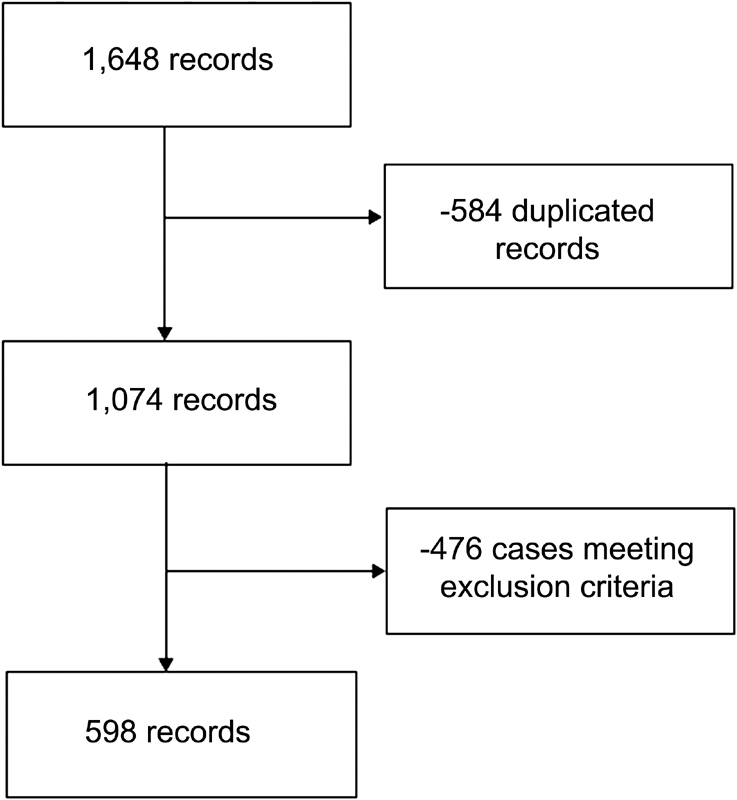
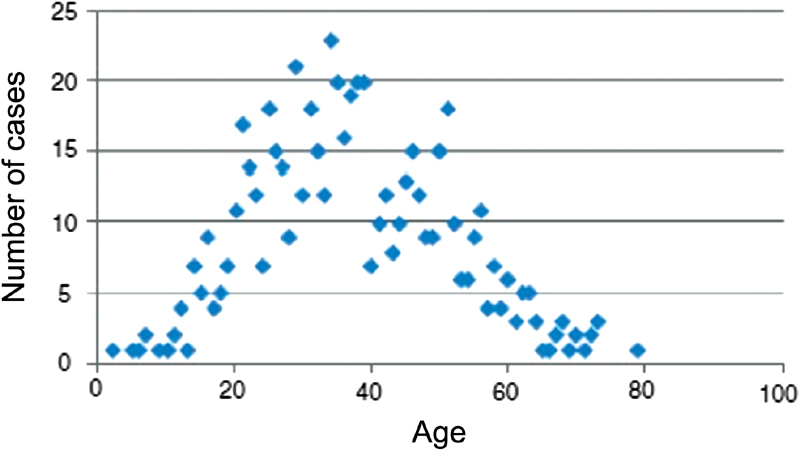
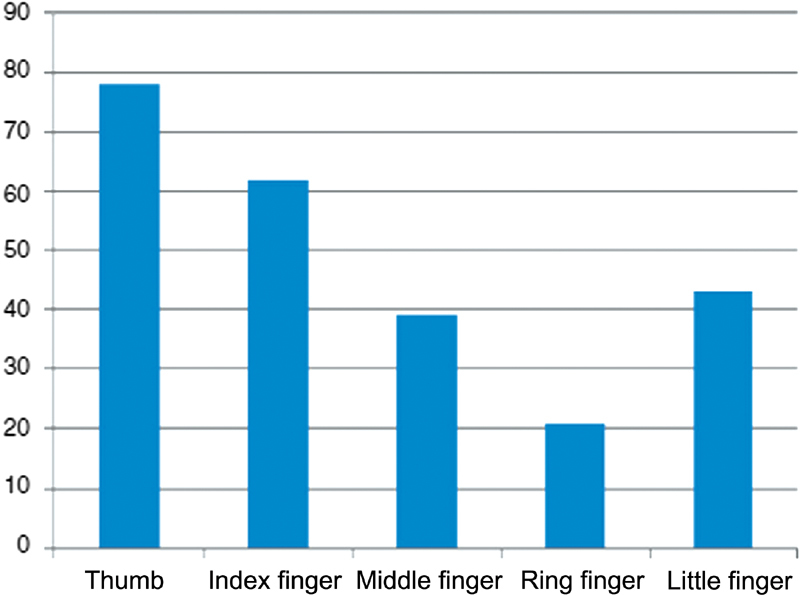
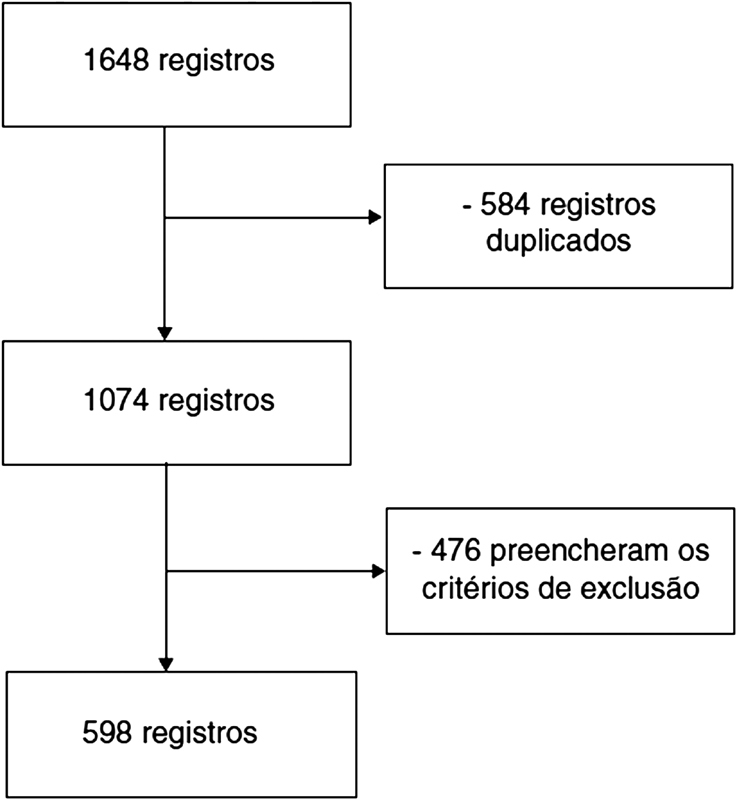
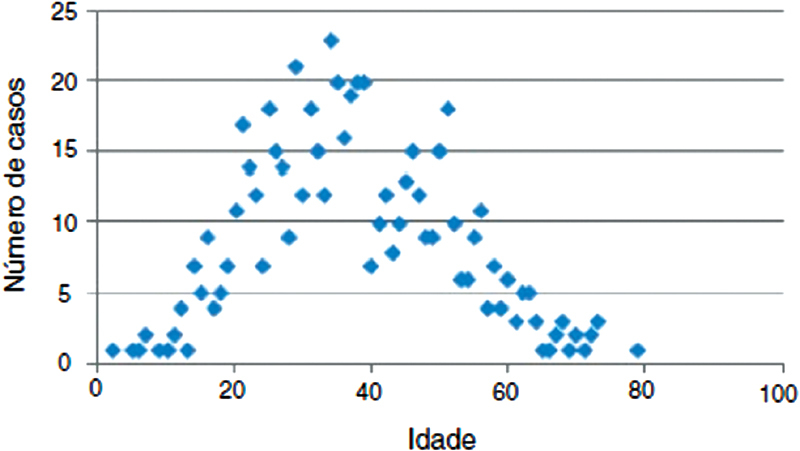
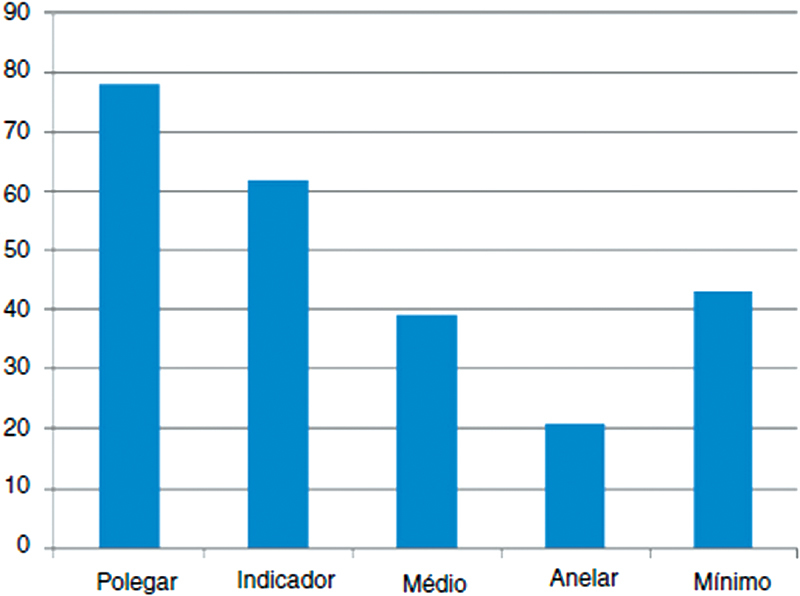
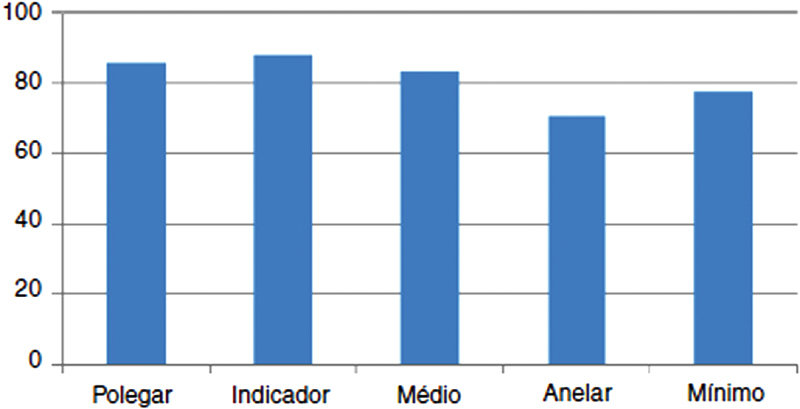
Objective To define the major epidemiological features of upper limb penetrating injuries, as well as to identify the causes and the frequency of these lesions at the Instituto de Ortopedia e Traumatologia, a hand surgery center in the city of São Paulo, state of São Paulo, Brazil. Methods The present study was based on a sample of consecutive patients from our orthopedics and traumatology institute from May 2014 to May 2016. Data were collected by telephone, and a prestructured questionnaire regarding data and features of the lesions was applied. Descriptive statistics and proportions comparison with the chi-squared test were performed with a p -value < 5% considered as statistically significant. Results At first, 1,648 records were considered and, after applying the exclusion criteria and eliminating duplicate records, 598 records were included in the present study. Most of the patients were male (77.8%), right-handed (95.82%), with an average age of 37.27 years old. Manual laborers were the most injured individuals (50.00%), and fingers were the most affected site (51.84%). Glass was the most frequent etiologic agent (33.77%). The prevalence of amputation was higher in industrial machinery injuries ( p < 0.05) when compared with other causes. Younger patients (< 18 years old) had more glass-related injuries, while older patients (≥ 60 years old) had more traumas caused by power tools ( p < 0.05). Women had more injuries resulting from razors and glass ( p < 0.05). Manual laborers had a higher frequency of power tools and industrial machinery-related injuries ( p < 0.05) and a higher prevalence of amputations ( p < 0.05). Conclusion The most frequent etiology was glass, especially in individuals < 18 years old. Women and older patients (> 60 years old) presented a high frequency of traumas caused by razors and power tools, respectively. More severe injuries were caused by machinery and were related with work activity.
Keywords: cross-sectional studies; hand injuries; wounds, penetrating.
Conflict of interest statement
Figures
References
-
- Burke F D, Dias J J, Lunn P G, Bradley M. Providing care for hand disorders: trauma and elective. The Derby Hand Unit experience (1989-1990) J Hand Surg [Br] 1991;16(01):13–18. - PubMed
-
- Frank M, Lange J, Napp M, Hecht J, Ekkernkamp A, Hinz P.Accidental circular saw hand injuries: trauma mechanisms, injury patterns, and accident insurance Forensic Sci Int 2010198(1-3):74–78. - PubMed
-
- Fonseca M RC, Mazzer N, Barbieri C H, Ellui V MC. Traumas da mão: estudo retrospectivo. Rev Bras Ortop. 2006;41(05):181–186.
-
- Perera J. The pattern of tissue damage in occupational trauma. Ceylon Med J. 1996;41(01):15–18. - PubMed
-
- Trybus M, Lorkowski J, Brongel L, Hladki W. Causes and consequences of hand injuries. Am J Surg. 2006;192(01):52–57. - PubMed
LinkOut - more resources
Full Text Sources