


Sphinkeeper™ for faecal incontinence: a preliminary report
- PMID: 31373152
- PMCID: PMC6972515
- DOI: 10.1111/codi.14801
Sphinkeeper™ for faecal incontinence: a preliminary report
Abstract
Aim: A new artificial anal sphincter placed into the intersphincteric space, SphinKeeper™, has recently been proposed to improve outcomes in the treatment of faecal incontinence (FI). We report our preliminary results with short-term follow-up, comparing preoperative and postoperative data after implant of SphinKeeper™ in patients suffering from FI.
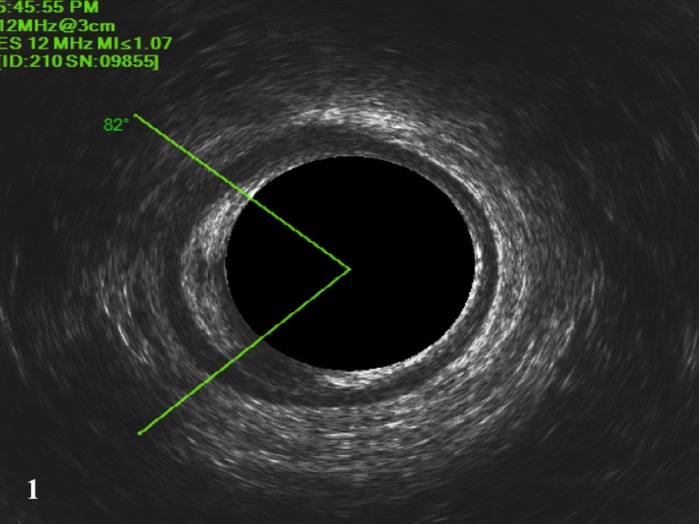
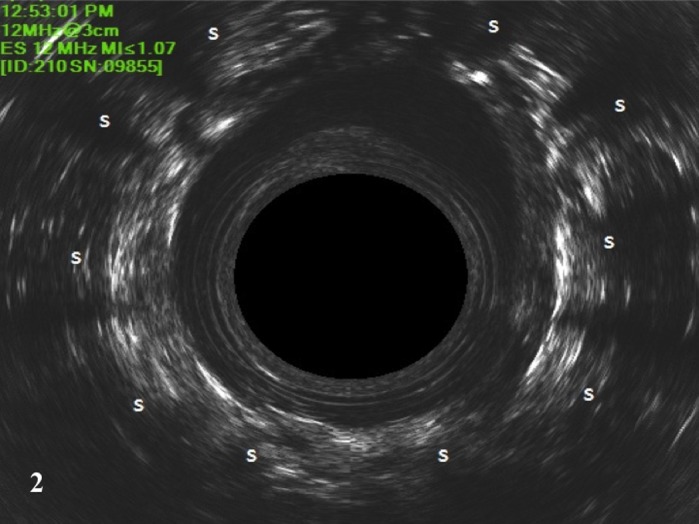
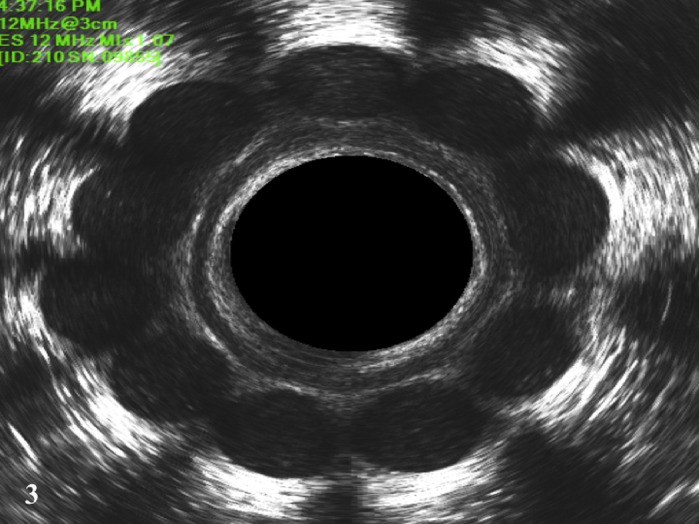
Methods: All patients older than 18 years were included with FI of at least 6 months, incontinence episodes occurring more than once a week and resistance to other conservative treatments. Anorectal manometry, endoanal ultrasound, Cleveland Clinic FI Score, FI Quality of Life score and total number of episodes of FI per week were recorded preoperatively and at the end of the 6-month follow-up period.
Results: Thirteen consecutive patients were treated with SphinKeeper™. No intra-operative nor postoperative complications were reported. Two cases of prosthesis extrusion occurred, and in one case an anterior dislocation was detected. Maximum resting pressure, total number of episodes of FI per week and Cleveland Clinic FI Score were improved after 6 months (P < 0.05).
Conclusions: SphinKeeper™ could be a minimally invasive procedure for FI with good postoperative outcomes. If these results are confirmed by studies with more patients and longer follow-up, it could be a first-line approach in FI.
Keywords: SphinKeeper™; artificial anal sphincter; endoanal ultrasound; faecal incontinence; sphincter lesion.
© 2019 The Authors. Colorectal Disease published by John Wiley & Sons Ltd on behalf of Association of Coloproctology of Great Britain and Ireland.
Figures
References
-
- Ng K‐S, Sivakumaran Y, Nassar N, Gladman MA. Fecal incontinence: community prevalence and associated factors – a systematic review. Dis Colon Rectum 2015; 58: 1194–209. - PubMed
-
- Damon H, Schott AM, Barth X et al Clinical characteristics and quality of life in a cohort of 621 patients with faecal incontinence. Int J Colorectal Dis 2008; 23: 84551. - PubMed
-
- Jorge JMN, Wexner SD. Etiology and management of faecal incontinence. Dis Colon Rectum 1993; 36: 77–97. - PubMed
MeSH terms
LinkOut - more resources
Full Text Sources
