


NTRK fusion detection across multiple assays and 33,997 cases: diagnostic implications and pitfalls
- PMID: 31375766
- PMCID: PMC7437403
- DOI: 10.1038/s41379-019-0324-7
NTRK fusion detection across multiple assays and 33,997 cases: diagnostic implications and pitfalls
Abstract
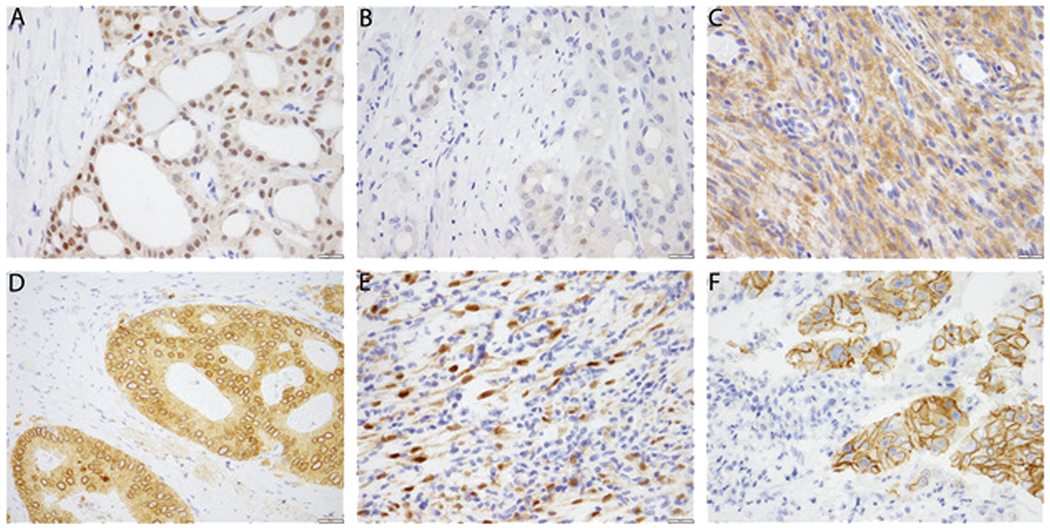
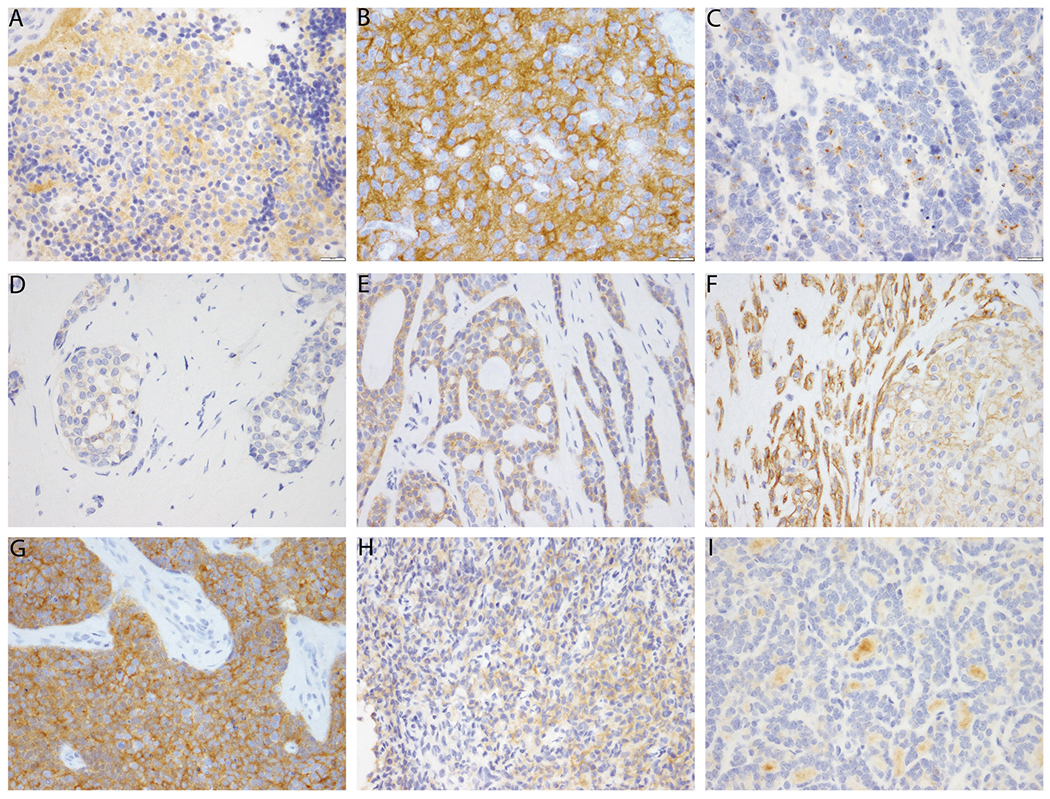
With the FDA approval of larotrectinib, NTRK fusion assessment has recently become a standard part of management for patients with locally advanced or metastatic cancers. Unlike somatic mutation assessment, the detection of NTRK fusions is not straightforward, and various assays exist at the DNA, RNA, and protein level. Here, we investigate the performance of immunohistochemistry and DNA-based next-generation sequencing to indirectly or directly detect NTRK fusions relative to an RNA-based next-generation sequencing approach in the largest cohort of NTRK fusion positive solid tumors to date. A retrospective analysis of 38,095 samples from 33,997 patients sequenced by a targeted DNA-based next-generation sequencing panel (MSK-IMPACT), 2189 of which were also examined by an RNA-based sequencing assay (MSK-Fusion), identified 87 patients with oncogenic NTRK1-3 fusions. All available institutional NTRK fusion positive cases were assessed by pan-Trk immunohistochemistry along with a cohort of control cases negative for NTRK fusions by next-generation sequencing. DNA-based sequencing showed an overall sensitivity and specificity of 81.1% and 99.9%, respectively, for the detection of NTRK fusions when compared to RNA-based sequencing. False negatives occurred when fusions involved breakpoints not covered by the assay. Immunohistochemistry showed overall sensitivity of 87.9% and specificity of 81.1%, with high sensitivity for NTRK1 (96%) and NTRK2 (100%) fusions and lower sensitivity for NTRK3 fusions (79%). Specificity was 100% for carcinomas of the colon, lung, thyroid, pancreas, and biliary tract. Decreased specificity was seen in breast and salivary gland carcinomas (82% and 52%, respectively), and positive staining was often seen in tumors with neural differentiation. Both sensitivity and specificity were poor in sarcomas. Selection of the appropriate assay for NTRK fusion detection therefore depends on tumor type and genes involved, as well as consideration of other factors such as available material, accessibility of various clinical assays, and whether comprehensive genomic testing is needed concurrently.
Figures
References
-
- Food and Drug Administration. FDA approves an oncology drug that targets a key genetic driver of cancer, rather than a specific type of tumor. FDA news release; 2018. https://www.fda.gov/NewsEvents/Newsroom/PressAnnouncements/ucm626710.htm. Accessed 26 May 2019.
-
- Kheder ES, Hong DS. Emerging targeted therapy for tumors with NTRK fusion proteins. Clin Cancer Res. 2018;24:5807–14. - PubMed
MeSH terms
Substances
Grants and funding
LinkOut - more resources
Full Text Sources
