


Polyploid giant cancer cells: Unrecognized actuators of tumorigenesis, metastasis, and resistance
- PMID: 31376205
- PMCID: PMC6706309
- DOI: 10.1002/pros.23877
Polyploid giant cancer cells: Unrecognized actuators of tumorigenesis, metastasis, and resistance
Abstract
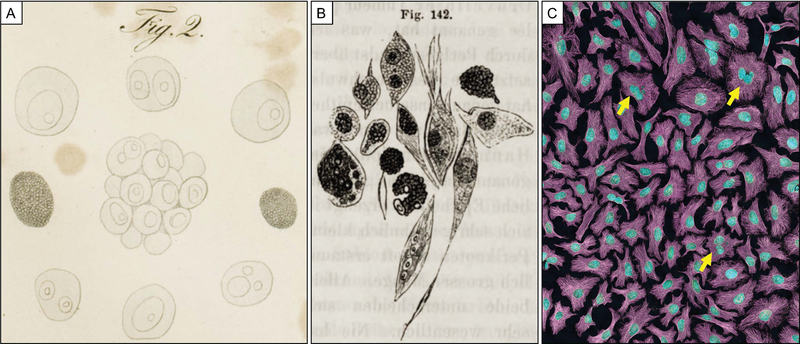
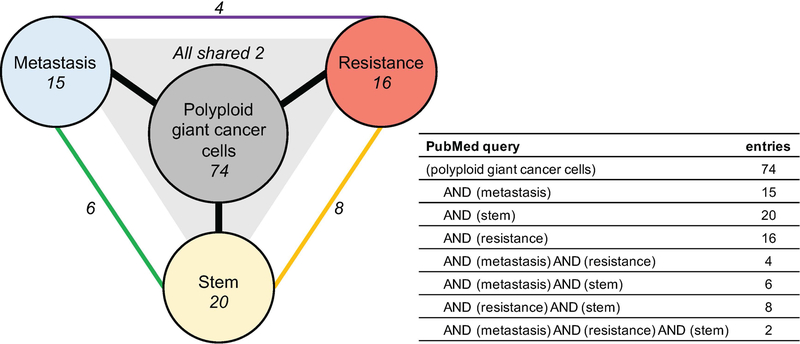
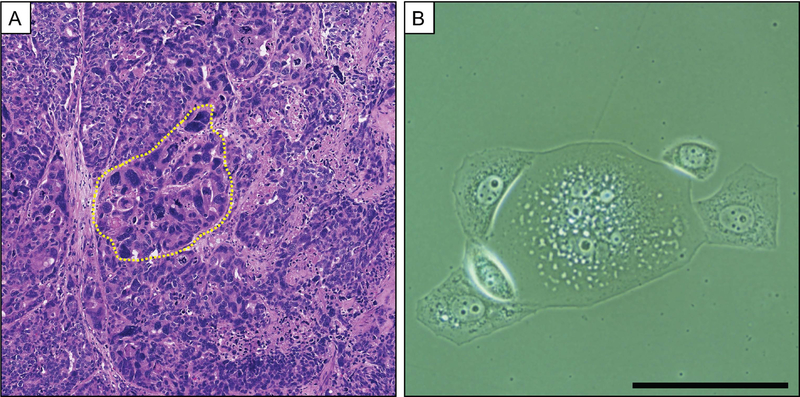
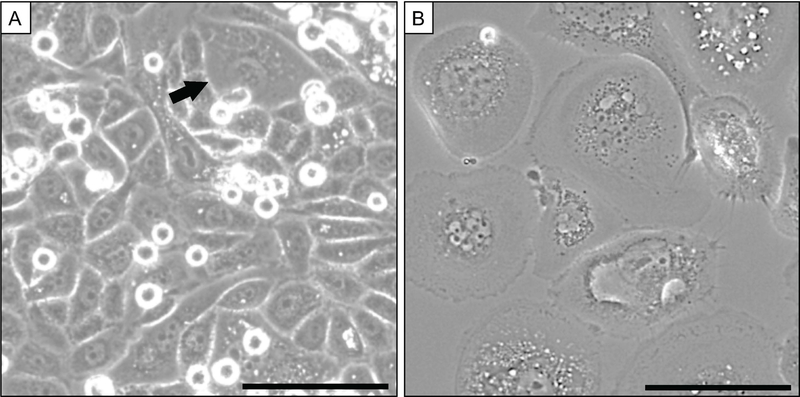
Cancer led to the deaths of more than 9 million people worldwide in 2018, and most of these deaths were due to metastatic tumor burden. While in most cases, we still do not know why cancer is lethal, we know that a total tumor burden of 1 kg-equivalent to one trillion cells-is not compatible with life. While localized disease is curable through surgical removal or radiation, once cancer has spread, it is largely incurable. The inability to cure metastatic cancer lies, at least in part, to the fact that cancer is resistant to all known compounds and anticancer drugs. The source of this resistance remains undefined. In fact, the vast majority of metastatic cancers are resistant to all currently available anticancer therapies, including chemotherapy, hormone therapy, immunotherapy, and systemic radiation. Thus, despite decades-even centuries-of research, metastatic cancer remains lethal and incurable. We present historical and contemporary evidence that the key actuators of this process-of tumorigenesis, metastasis, and therapy resistance-are polyploid giant cancer cells.
Keywords: cancer ecology; keystone species; metastasis; polyploid giant cancer cells; stemness; therapeutic resistance.
© 2019 Wiley Periodicals, Inc.
Conflict of interest statement
Disclosure / Conflict of Interest Statement:
The authors have no disclosures.
Figures
References
-
- Cancer IAfRo. Latest Global Cancer Data: Cancer Burden Rises to 18.1 Million New Cases and 9.6 Million Cancer Deaths in 2018 2018. In: September.
-
- Pienta KJ, Partin AW, Coffey DS. Cancer as a disease of DNA organization and dynamic cell structure. Cancer research 1989;49(10):2525–2532. - PubMed
-
- Récamier JCA. Recherches sur le traitement du cancer: par la compression méthodique simple ou combinée, et sur l’histoire générale de la même maladie. Vol 1: Gabon; 1829.
-
- Paget S The distribution of secondary growths in cancer of the breast. The Lancet 1889;133(3421):571–573. - PubMed
Publication types
MeSH terms
Grants and funding
LinkOut - more resources
Full Text Sources
Medical
