


Medicine Shortages: Gaps Between Countries and Global Perspectives
- PMID: 31379565
- PMCID: PMC6658884
- DOI: 10.3389/fphar.2019.00763
Medicine Shortages: Gaps Between Countries and Global Perspectives
Abstract
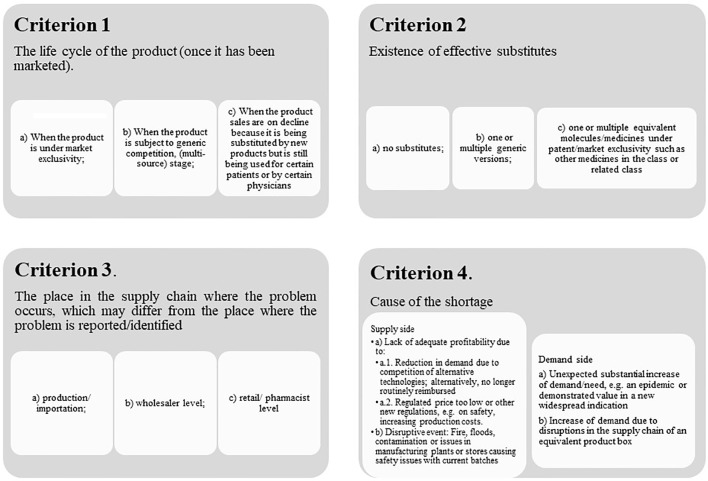
Introduction: Over the last decade, global health policies and different research areas have focused on the relevance and impact of medicine shortages. Published studies suggest there have been difficulties with access to medicines since the beginning of the 20th century, and there have been advances in our understanding and management of the problem since then. However, in view of global and regional health care concerns with shortages, we believe this phenomenon needs to be characterized and described more fully regarding the types of medicines affected, possible causes, and potential strategies to address these. The aim of this scoping review was to identify, compare if possible, and characterize the recent literature regarding the situation of medicines shortages between countries, and provide different perspectives, including a global context and national approaches. Methodology: A scoping study presented as a narrative review of the situation and findings principally based on published articles. Results: Based on the reported cases in the literature, a typology of medicines shortage and supply interruption episodes and their causes were proposed; national approaches to notify and manage the medicines shortages cases were described and classified by update frequency; principal differences between market and supply chain management perspectives of the situation were identified and global and countries' perspectives were described. Conclusion: Policy makers require solutions that prevent those cases in which the population's health is affected by episodes of medicine shortages and/or interruption in the supply chain. There is also a need to generate a glossary related to logistics management and the availability of medicines which will be useful to understand and overcome shortages. In addition, recognize that potential solutions are not only related with actions linked to research, development and innovation, but much wider. Overall, we believe this article can act as a basis for future discussions in this important area.
Keywords: Europe; North America; South America; Western Asia; medicine access; medicine shortages; medicine supply; pharmaceutical policy.
Figures
References
-
- Administración Nacional de Medicamentos A y TMA (2018). Faltante de medicamentos | Argentina.gob.ar [Internet]. ANMAT. [cited 2019 Jan 19]. Available from: https://www.argentina.gob.ar/faltante-de-medicamentos.
LinkOut - more resources
Full Text Sources
