. 2019 Aug 5;10(8):587.
doi: 10.1038/s41419-019-1817-5.

DPP8/9 inhibitors are universal activators of functional NLRP1 alleles

Affiliations

DPP8/9 inhibitors are universal activators of functional NLRP1 alleles

Kuo Gai et al. Cell Death Dis. .

Abstract

Intracellular pathogenic structures or activities stimulate the formation of inflammasomes, which recruit and activate caspase-1 and trigger an inflammatory form of cell death called pyroptosis. The well-characterized mammalian inflammasome sensor proteins all detect one specific type of signal, for example double-stranded DNA or bacterial flagellin. Remarkably, NLRP1 was the first protein discovered to form an inflammasome, but the pathogenic signal that NLRP1 detects has not yet been identified. NLRP1 is highly polymorphic, even among inbred rodent strains, and it has been suggested that these diverse NLRP1 alleles may have evolved to detect entirely different stimuli. Intriguingly, inhibitors of the serine proteases DPP8 and DPP9 (DPP8/9) were recently shown to activate human NLRP1, its homolog CARD8, and several mouse NLRP1 alleles. Here, we show now that DPP8/9 inhibitors activate all functional rodent NLRP1 alleles, indicating that DPP8/9 inhibition induces a signal detected by all NLRP1 proteins. Moreover, we discovered that the NLRP1 allele sensitivities to DPP8/9 inhibitor-induced and Toxoplasma gondii-induced pyroptosis are strikingly similar, suggesting that DPP8/9 inhibition phenocopies a key activity of T. gondii. Overall, this work indicates that the highly polymorphic NLRP1 inflammasome indeed senses a specific signal like the other mammalian inflammasomes.


Conflict of interest statement

The authors declare that they have no conflict of interest.

Figures
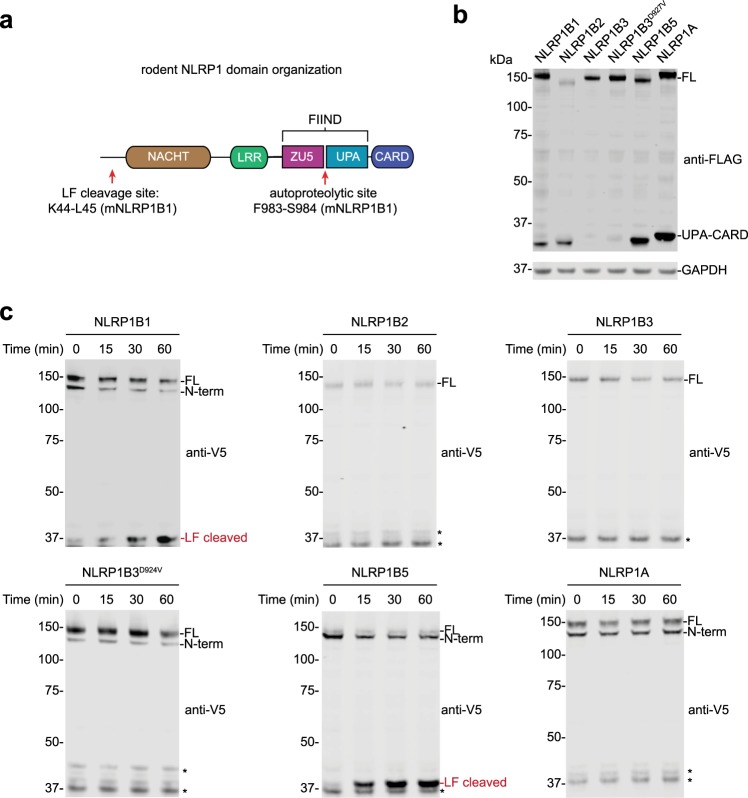
Fig. 1
Fig. 1. Mouse NLRP1 allele sensitivity to autoproteolysis and LT cleavage.
a Domain organization of rodent NLRP1 proteins. The LF cleavage and FIIND autoproteolysis sites are indicated (residues correspond to the NLRP1B1 allele). The cartoon is not drawn to scale. b HEK 293T cells were transiently transfected with plasmids encoding the indicated C-terminally FLAG-tagged mouse NLRP1 alleles (2 µg, 48 h) before protein expression was evaluated by immunoblotting. FL full-length. c HEK 293T cells were transiently transfected with the indicated N-terminally V5-GFP-tagged mouse NLRP1 alleles (2 µg, 48 h). Cell lysates were then treated with LF (1 µg/mL) for the indicated times before reactions were quenched with 2× loading dye and LF cleavage evaluated by immunoblotting. Asterisks indicate background bands
Fig. 2
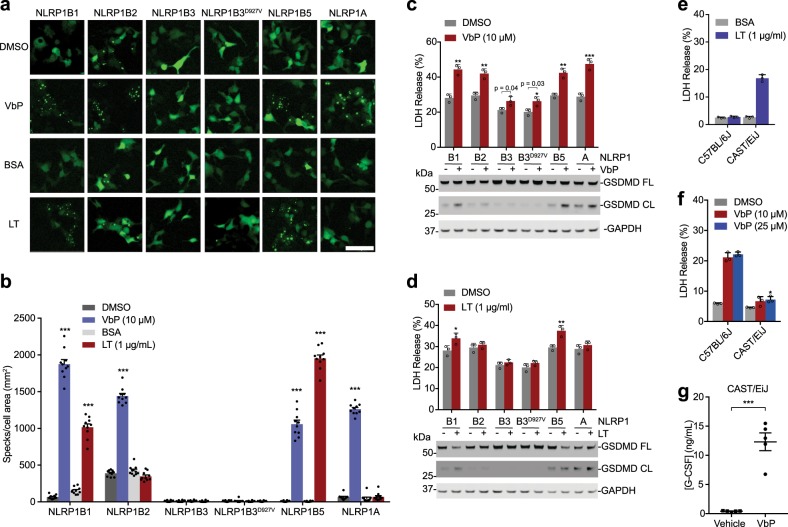
Fig. 2. Mouse NLRP1 allele responsiveness to VbP and LT.
a, b HEK 293T cells were transiently transfected with plasmids encoding the indicated FLAG-tagged mouse NLRP1 alleles and GFP-tagged ASC. After 24 h, cells were treated with BSA (1 µg/mL), DMSO, VbP (10 µM), or LT (1 µg/mL) for 6 h before ASC speck formation was assessed by fluorescence microscopy in 10 different regions. Representative images a and mean specks per cell area ± SEM b are shown. Scale bar is 100 µm. c, d HEK 293T cells stably expressing mouse CASP1 and mouse GSDMD were transiently transfected with plasmids encoding the indicated mouse NLRP1 alleles (0.01 µg). After 48 h, the cells were treated with VbP (10 µM, 24 h) c or LT (1 µg/mL, 6 h) d before cell death was evaluated by LDH release (top) and immunoblotting for GSDMD cleavage (bottom). Bar graphs are means ± SD of three biological replicates. e, f Primary BMDMs from C57BL/6J and CAST/EiJ mice were treated with LT (1 µg/mL, 6 h) e or the indicated concentration of VbP (48 h) f before LDH release was assessed. Data are means ± SD of triplicate wells and representative of at least three independent experiments. g Vehicle or VbP (20 µg/mouse) was administered intraperitoneally to CAST/EiJ mice, and serum G-CSF was assessed after 6 h by ELISA. Data are means ± SEM, n = 5 mice/group. *p < 0.05, **p < 0.01, ***p < 0.001 by two-sided Student’s t-test for vehicle vs. treated groups
Fig. 3
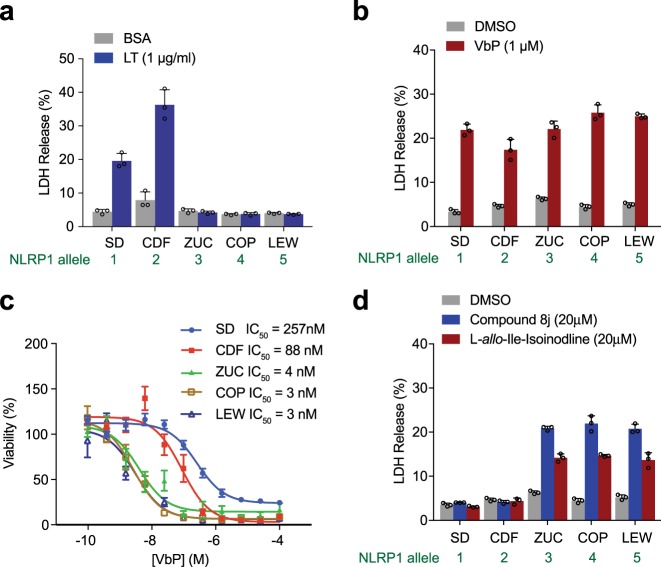
Fig. 3. BMDMs from inbred rat strains are differentially sensitive to DPP8/9 inhibitors.
a Rat BMDMs from the indicated rat strains were treated with LT for 8 h before cell death was evaluated by LDH release. The NLRP1 allele expressed by each macrophage is shown. SD Sprague Dawley, CDF Fischer, ZUC Zucker, COP Copenhagen, LEW Lewis. b–d Rat BMDMs were treated with the indicated concentration of VbP, compound 8j, or L-allo-Ile-isoindoline for 24 h before cell death was evaluated by LDH release b, d or CellTiter-Glo c. Data are means ± SD of triplicate wells and representative of at least three independent experiments
Fig. 4
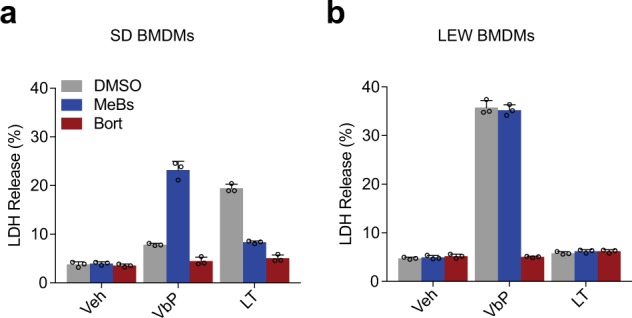
Fig. 4. Proteasome inhibition blocks rat NLRP1 activation.
a, b Primary BMDMs from SD a or LEW b rats were pretreated with bortezomib (bort, 1 µM) or bestatin methyl ester (MeBs, 2 µM) for 30 min prior to the addition of vehicle, VbP (2 µM), or LT (1 µg/mL) for an additional 8 h. Cytotoxicity was assessed by LDH release. Data are means ± s.d. of triplicate wells and representative of at least three independent experiments
Fig. 5
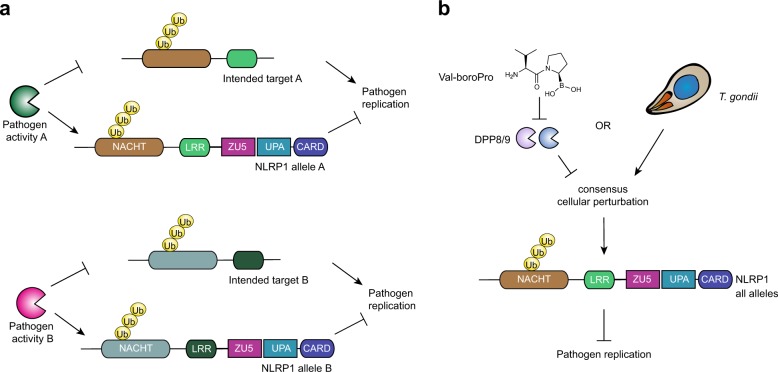
Fig. 5. Potential models of NLRP1’s function.
a The decoy hypothesis: pathogenic activities, like lethal factor, destroy host factors to aid pathogen replication. NLRP1 is a decoy for these host proteins, and its destruction results in an immune response and inhibition of pathogen replication. Different NLRP1 alleles might sense different pathogenic activities. b The consensus signal hypothesis: all NLRP1 alleles sense a specific cellular perturbation induced by DPP8/9 inhibitors, T. gondii, and likely other stimuli. The different NLRP1 alleles may have different tolerances for sensing this perturbation

References

    1. Broz P, Dixit VM. Inflammasomes: mechanism of assembly, regulation and signalling. Nat. Rev. Immunol. 2016;16:407–420. doi: 10.1038/nri.2016.58. - DOI - PubMed
    1. Lamkanfi M, Dixit VM. Mechanisms and functions of inflammasomes. Cell. 2014;157:1013–1022. doi: 10.1016/j.cell.2014.04.007. - DOI - PubMed
    1. Shi J, et al. Cleavage of GSDMD by inflammatory caspases determines pyroptotic cell death. Nature. 2015;526:660–665. doi: 10.1038/nature15514. - DOI - PubMed
    1. Kayagaki N, et al. Caspase-11 cleaves gasdermin D for non-canonical inflammasome signalling. Nature. 2015;526:666–671. doi: 10.1038/nature15541. - DOI - PubMed
    1. Miao EA, et al. Caspase-1-induced pyroptosis is an innate immune effector mechanism against intracellular bacteria. Nat. Immunol. 2010;11:1136–1142. doi: 10.1038/ni.1960. - DOI - PMC - PubMed

Publication types

MeSH terms

LinkOut - more resources