


Mindfulness meditators show altered distributions of early and late neural activity markers of attention in a response inhibition task
- PMID: 31386663
- PMCID: PMC6684080
- DOI: 10.1371/journal.pone.0203096
Mindfulness meditators show altered distributions of early and late neural activity markers of attention in a response inhibition task
Abstract
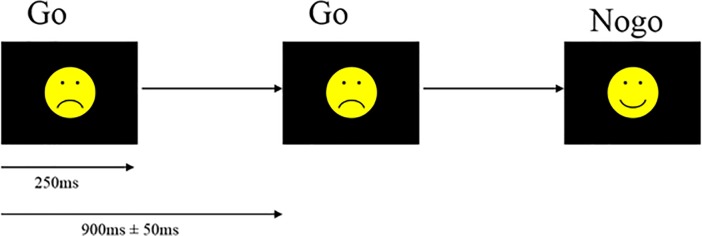
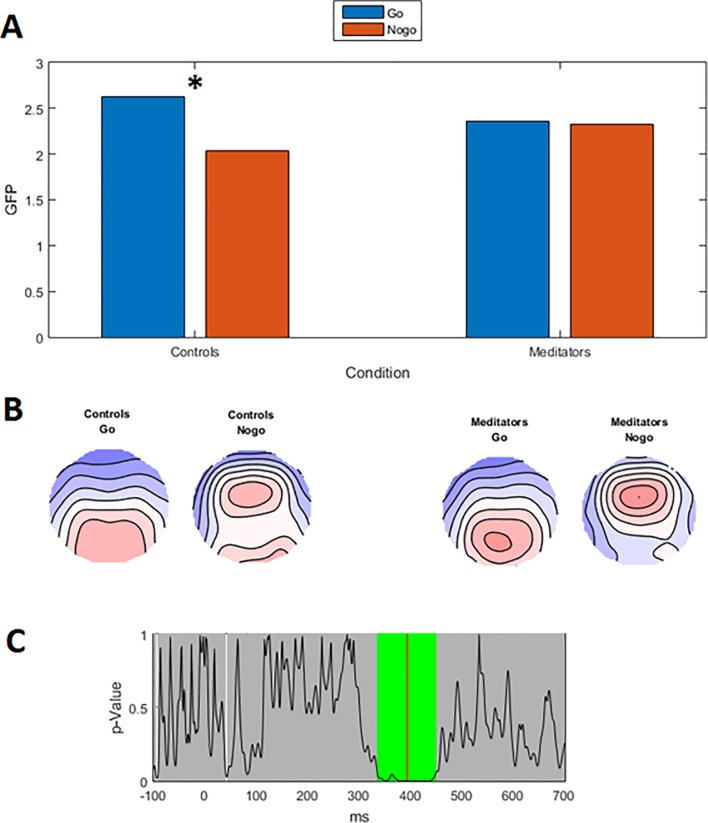
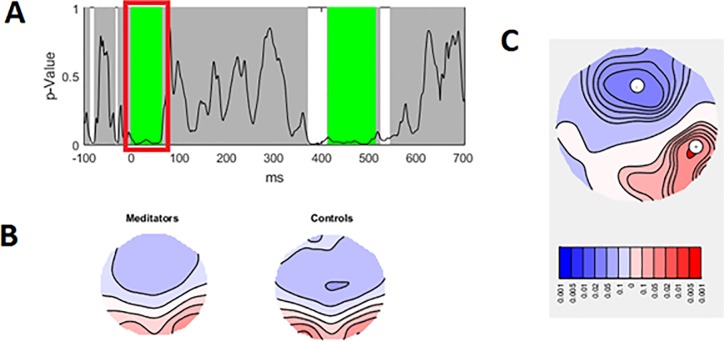
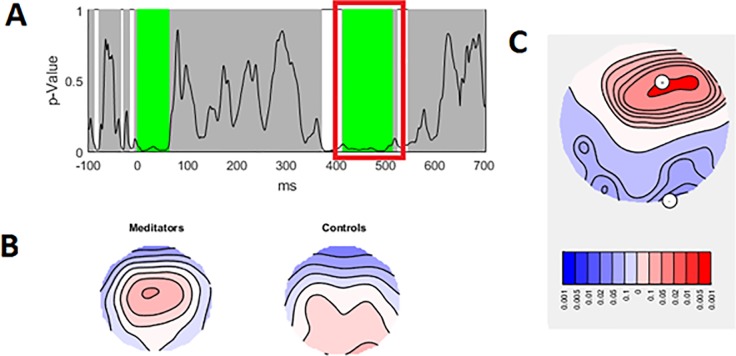
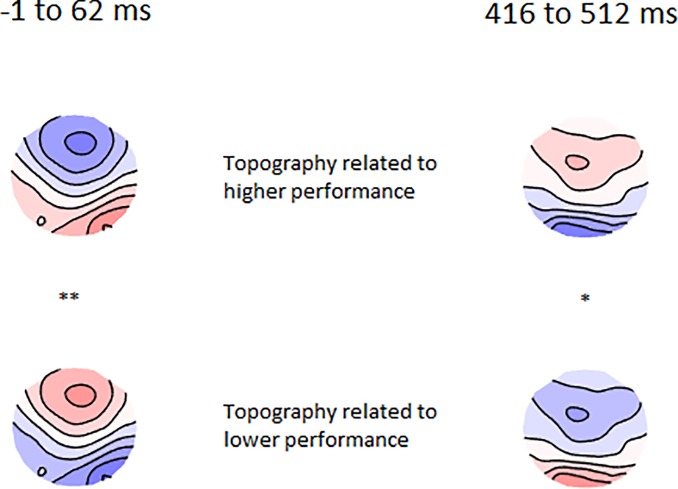
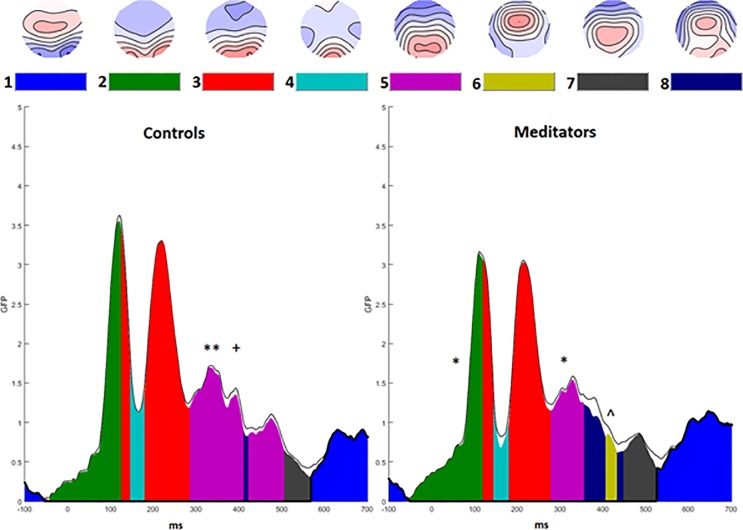
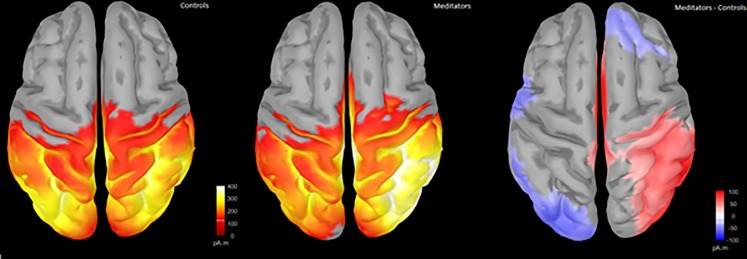
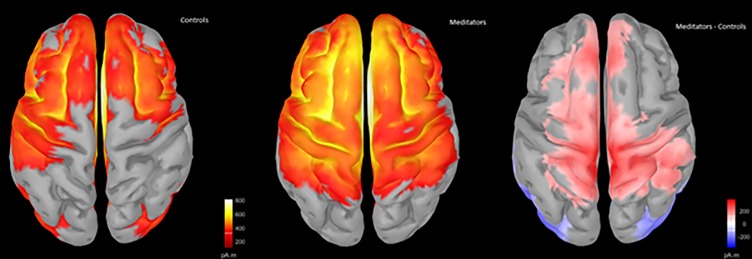
Attention is vital for optimal behavioural performance in every-day life. Mindfulness meditation has been shown to enhance attention. However, the components of attention altered by meditation and the related neural activities are underexplored. In particular, the contributions of inhibitory processes and sustained attention are not well understood. To address these points, 34 meditators were compared to 28 age and gender matched controls during electroencephalography (EEG) recordings of neural activity during a Go/Nogo response inhibition task. This task generates a P3 event related potential, which is related to response inhibition processes in Nogo trials, and attention processes across both trial types. Compared with controls, meditators were more accurate at responding to Go and Nogo trials. Meditators showed a more frontally distributed P3 to both Go and Nogo trials, suggesting more frontal involvement in sustained attention rather than activity specific to response inhibition. Unexpectedly, meditators also showed increased positivity over the right parietal cortex prior to visual information reaching the occipital cortex (during the pre-C1 window). Both results were positively related to increased accuracy across both groups. The results suggest that meditators show altered engagement of neural regions related to attention, including both higher order processes generated by frontal regions, and sensory anticipation processes generated by poster regions. This activity may reflect an increased capacity to modulate a range of neural processes in order to meet task requirements. This increased capacity may underlie the improved attentional function observed in mindfulness meditators.
Conflict of interest statement
PBF has received equipment for research from MagVenture A/S, Medtronic Ltd, Cervel Neurotech and Brainsway Ltd and funding for research from Neuronetics and Cervel Neurotech. PBF is on the scientific advisory board for Bionomics Ltd. All other authors have no conflicts to report. PBF is supported by a National Health and Medical Research Council of Australia Practitioner Fellowship (6069070). KEH is supported by a National Health and Medical Research Council of Australia Career Development Fellowship (1082894). NCR is supported by a National Health and Medical Research Council of Australia Fellowship (1072057). This does not alter our adherence to PLOS ONE policies on sharing data and materials.
Figures
References
-
- Posner MI, Rothbart MK, Tang Y-Y. Enhancing attention through training. Current Opinion in Behavioral Sciences. 2015;4:1–5.
-
- Lavie N. Perceptual load as a necessary condition for selective attention. Journal of Experimental Psychology: Human perception and performance. 1995;21(3):451 - PubMed
