Review
. 2019 Aug 5;9(8):344.
doi: 10.3390/biom9080344.

Tannins: Prospectives and Actual Industrial Applications

Affiliations
Review

Tannins: Prospectives and Actual Industrial Applications

Antonio Pizzi. Biomolecules. .

Abstract

The origin of tannins, their historical evolution, their different types, and their applications are described. Old and established applications are described, as well as the future applications which are being developed at present and that promise to have an industrial impact in the future. The chemistry of some of these applications is discussed where it is essential to understand the tannins and their derivates role. The essential points of each application, their drawbacks, and their chance of industrial application are briefly discussed. The article presents historical applications of tannins, such as leather, or traditional medicine, and more recent applications.

Keywords: advantages; applications; drawbacks; new applications; tannins.


Conflict of interest statement

The authors declare no conflict of interest.

Figures
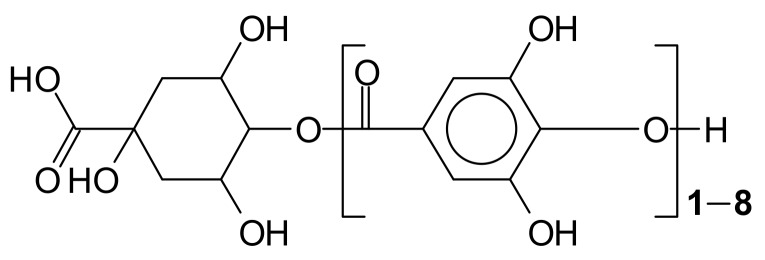
Figure 1
Figure 1
Example of the structures of tara tannin [3,4] and caffe-tannins (quinic acid esterified with caffeic acids plus glucose compounds).
Figure 2
Figure 2
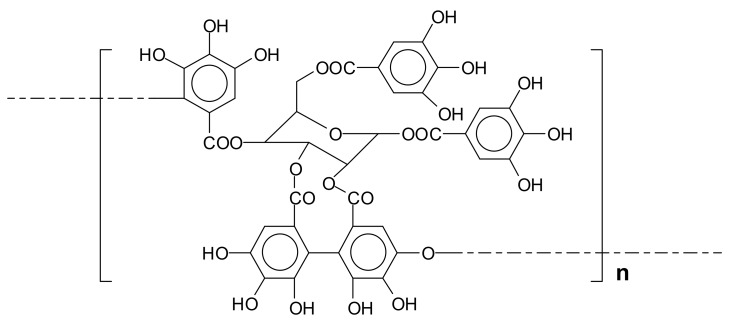
Schematic representation of the repeating unit of the ellagi-tannin of chestnut wood.
Figure 3
Figure 3
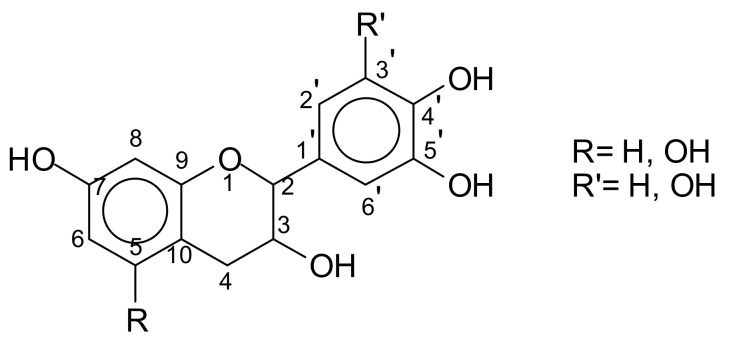
The structure of a flavonoid unit.
Figure 4
Figure 4
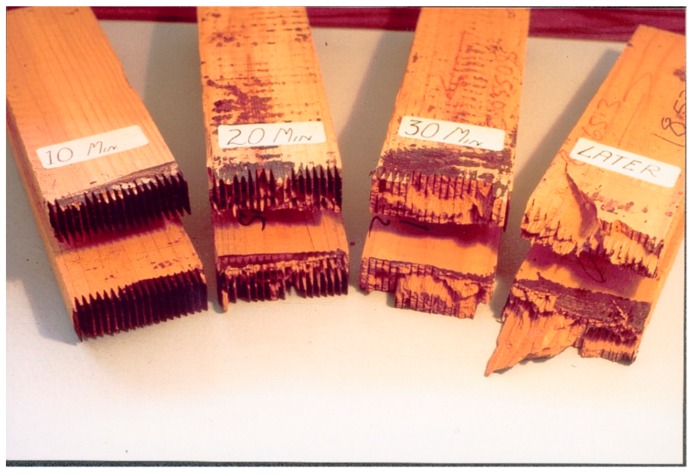
Development of strength visualized through the rapid increase in percentage wood failure of tannin-based fast-setting “honeymoon” separate application cold-setting adhesives for glulam and fingerjoints.
Figure 5
Figure 5
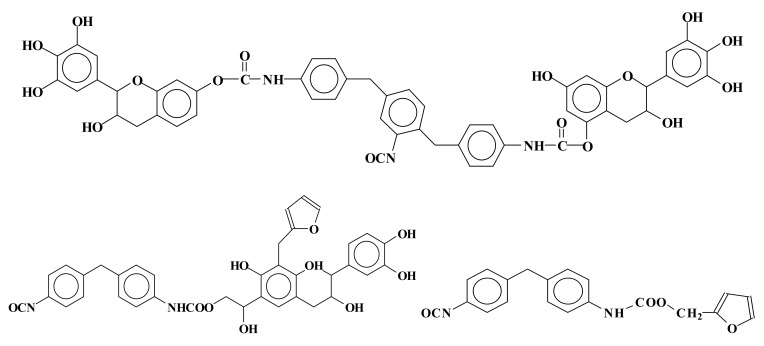
Examples of mixed species obtained by the reaction of tannin–furfuryl alcohol–glyoxal mixes with polymeric diphenyl methane isocyanate (PMDI).
Figure 6
Figure 6
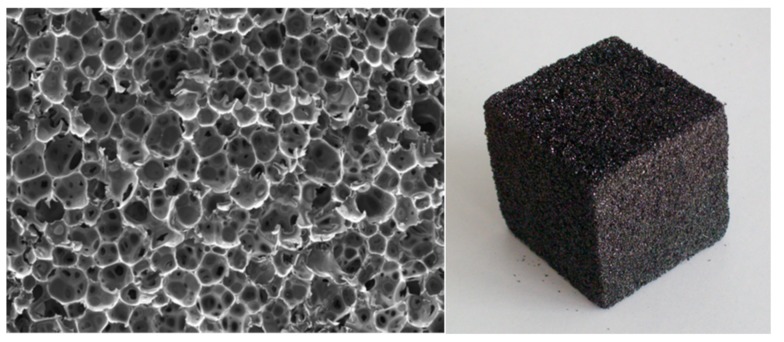
Scanning electron microscope image of the structure of a first-generation tannin–furanic foam (left) and macro-appearance of the same (right).
Figure 7
Figure 7
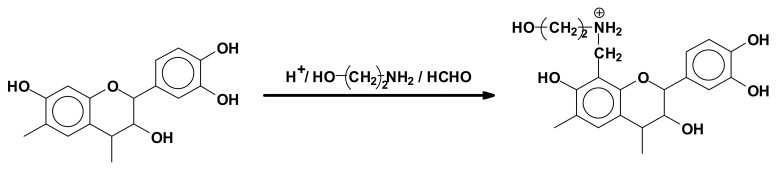
Reaction of ethanolamine and formaldehyde with a flavonoid tannin unit to form anpho-tannins used as industrial flocculants.
Figure 8
Figure 8
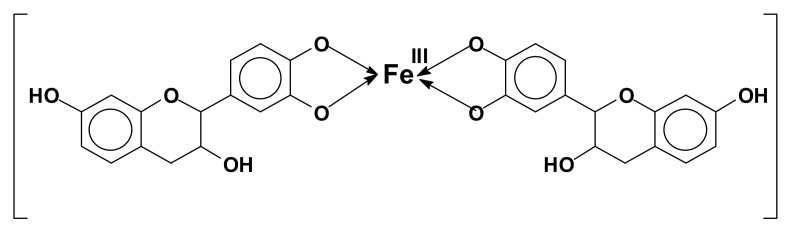
Example of orthodiphenol iron complex of a flavonoid tannin.
Figure 9
Figure 9
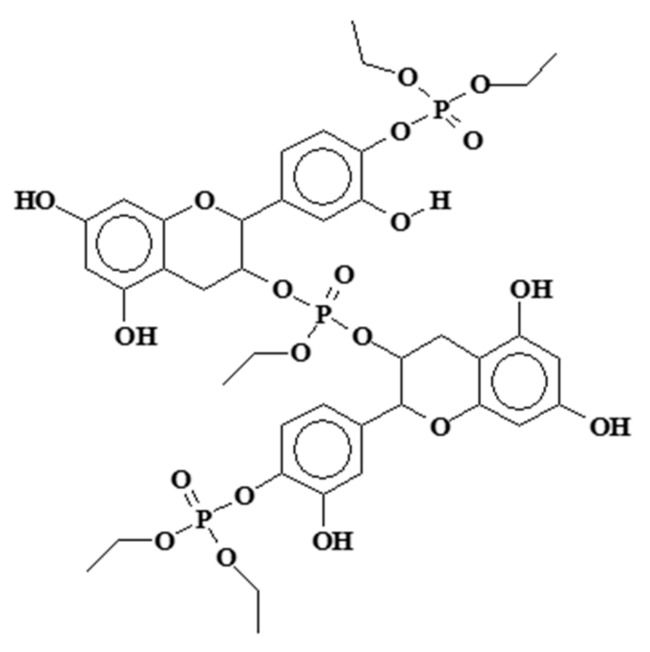
Example of cross-linking product of a flavonoid tannin by reaction with triethyl phosphate [109].
Figure 10
Figure 10
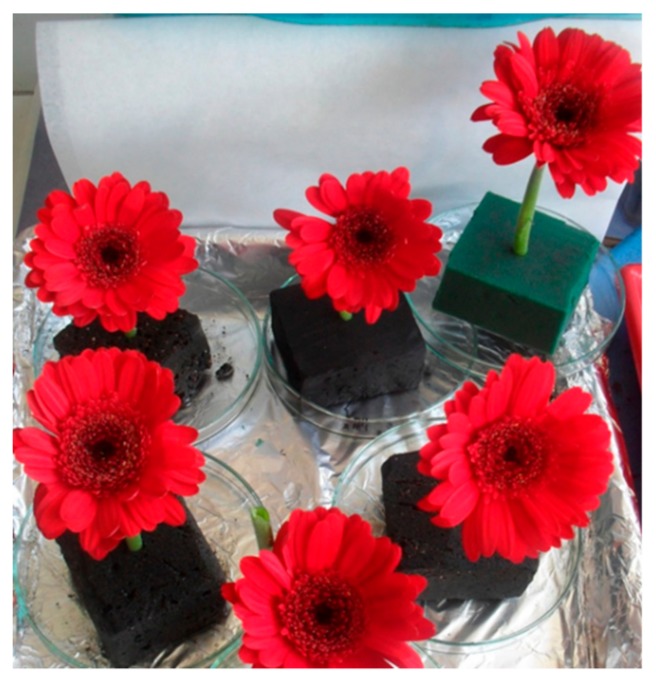
Appearance of cut flowers (Transvaal daisies, Gerbera spp) on a tannin–furanic foam (black) compared to a synthetic phenol–formaldehyde/furanic foam (green).
Figure 11
Figure 11
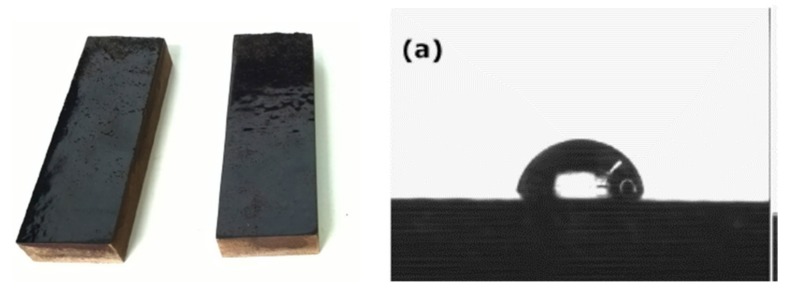
Non-isocyanate polyurethane-based (NIPU) wood surface coatings based on condensed tannins (left) and sessile water drop contact angle on the NIPU coating surface (right).
Figure 12
Figure 12
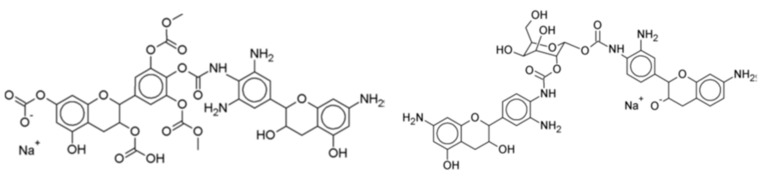
Examples of compounds presenting urethane linkages formed by the reaction of a pre-aminated flavonoid tannin with a flavonoid tannin pre-reacted with dimethyl carbonate.
Figure 13
Figure 13
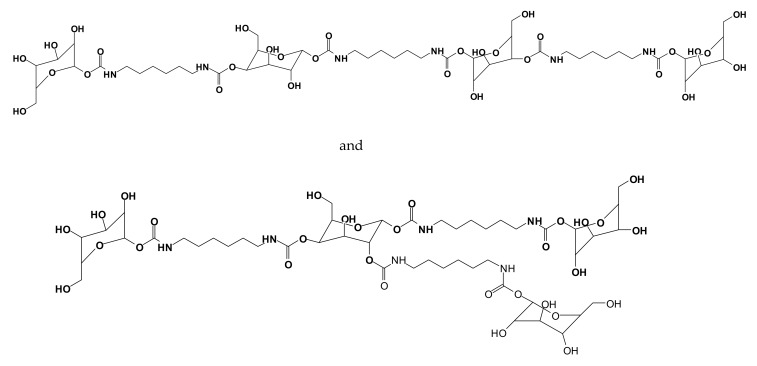
Examples of linear and branched glucose-based non-isocyanate polyurethane oligomers [121].
Figure 14
Figure 14
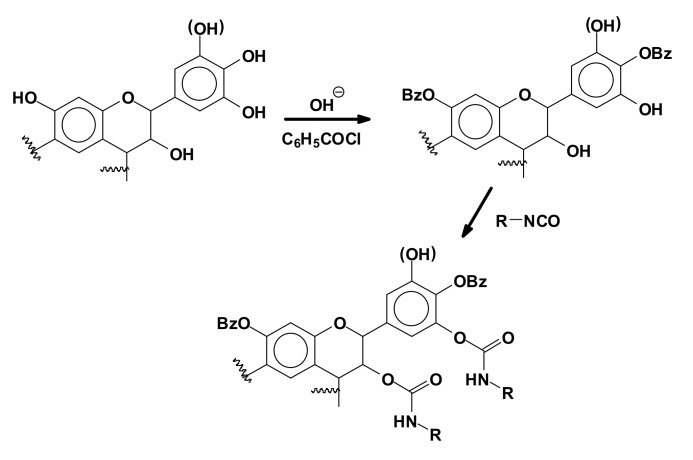
Reaction of a flavonoid tannin modified by benzoylation with an isocyanate.
Figure 15
Figure 15
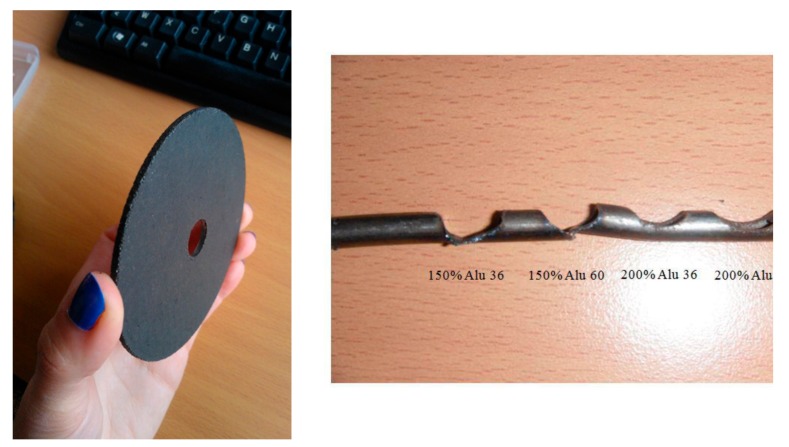
Example of an angle grinder disk using a tannin–furfuryl alcohol resin as a matrix, and example of cuts in a steel bar with it when using different abrasives.
Figure 16
Figure 16
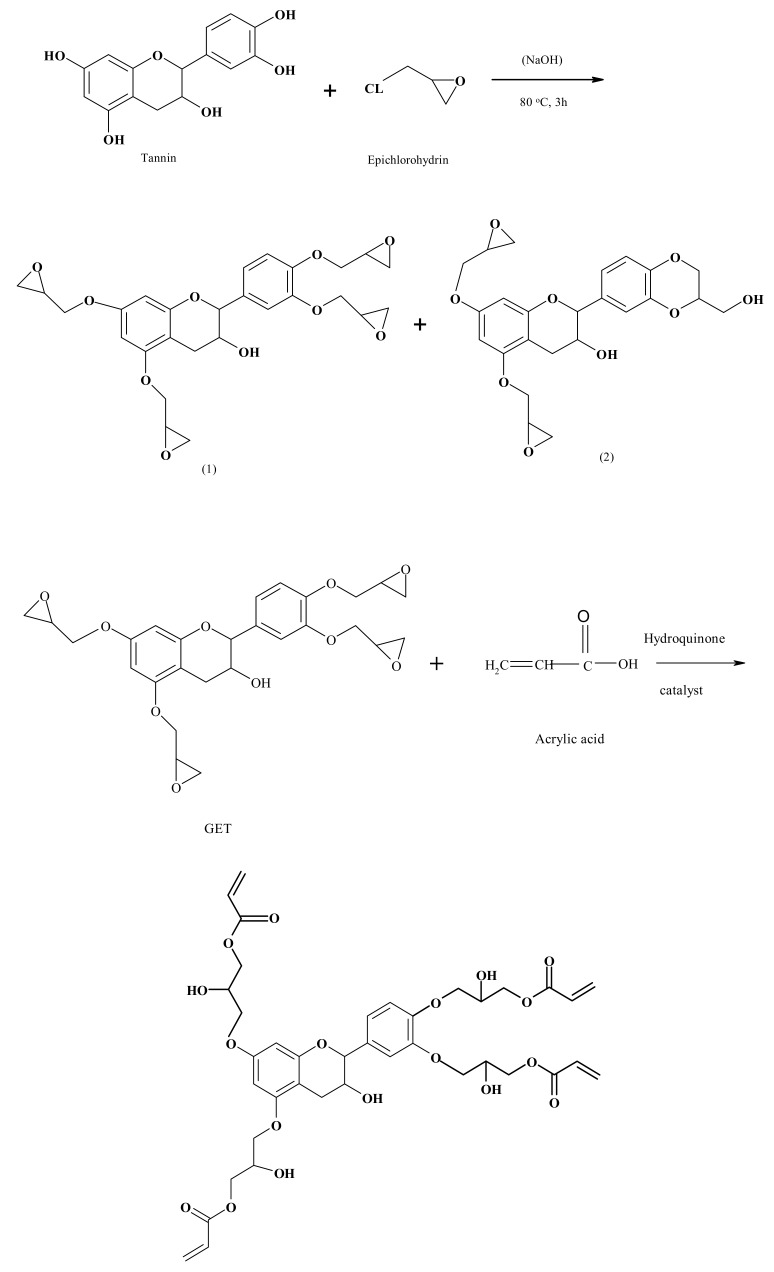
Scheme of the sequence of reactions to prepare the epoxy acrylate resin. The reaction proceeds in two steps: first, the epoxidization of the flavonoid tannin, and second, its reaction with acrylic acid catalyzed by hydroquinone [129].
Figure 17
Figure 17
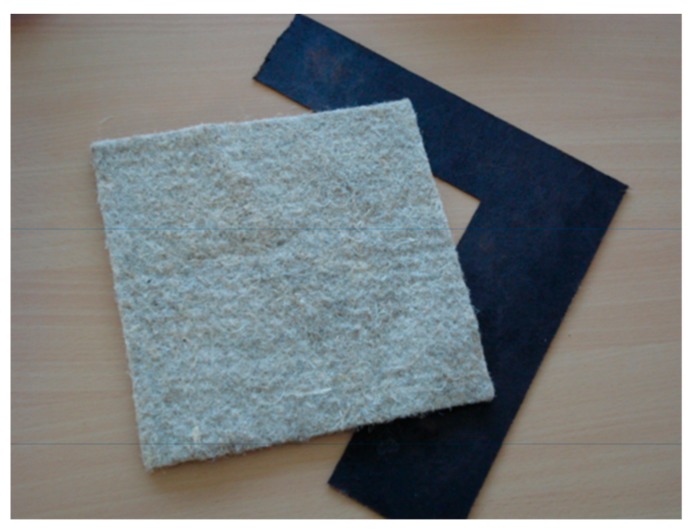
A nonwoven web of hemp fibers and the composite obtained by impregnation with a tannin–furanic resin.
Figure 18
Figure 18
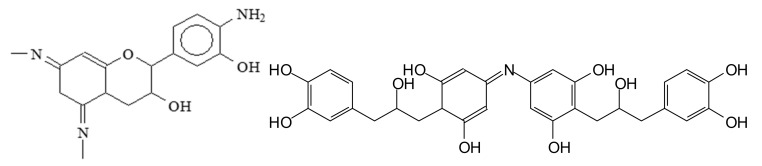
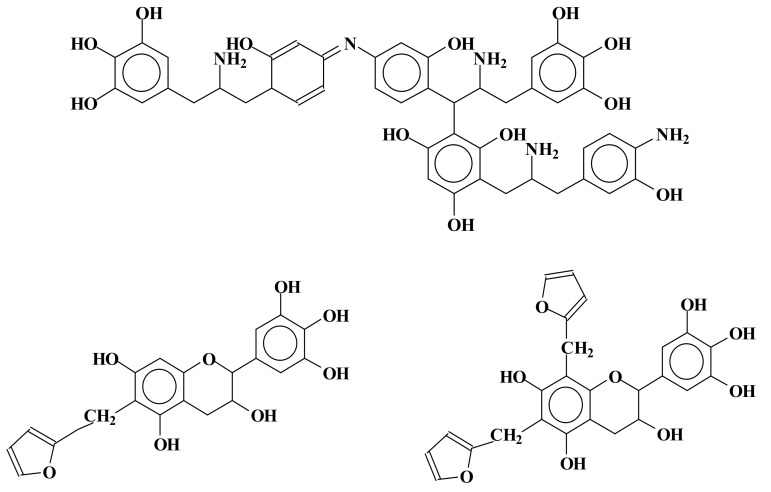
Examples of compounds prepared by amination of a flavonoid tannin, and simultaneous reaction of the tannin with furfuryl alcohol.
Figure 18
Figure 18
Examples of compounds prepared by amination of a flavonoid tannin, and simultaneous reaction of the tannin with furfuryl alcohol.

References

    1. Caller L. Le Fabbriche Italiane di Estratto di Castagno. Silva Chimica; San Michele Mondovi (CN), Italy: 1989.
    1. Pizzi A. Tannin-based wood adhesives. In: Pizzi A., editor. Wood Adhesives Chemistry and Technology. Volume 1. Marcel Dekker; New York, NY, USA: 1983. pp. 178–246.
    1. Giovando S., Pizzi A., Pasch H., Pretorius N. Structure and oligomers distribution of commercial Tara (Caesalpina spinosa) hydrolysable tannin. ProLigno. 2013;9:22–31.
    1. Radebe N., Rode K., Pizzi A., Giovando S., Pasch H. MALDI-TOF-CID for the Microstructure Elucidation of Polymeric Hydrolysable Tannins. J. Appl. Polym. Sci. 2013;128:97–107. doi: 10.1002/app.38156. - DOI
    1. Pizzi A., Pasch H., Rode K., Giovando S. Polymer structure of commercial hydrolisable tannins by MALDI-TOF mass spectrometry. J. Appl. Polym. Sci. 2009;113:3847–3859. doi: 10.1002/app.30377. - DOI

LinkOut - more resources