


Dominant-negative SOX9 mutations in campomelic dysplasia
- PMID: 31389106
- PMCID: PMC7608528
- DOI: 10.1002/humu.23888
Dominant-negative SOX9 mutations in campomelic dysplasia
Abstract
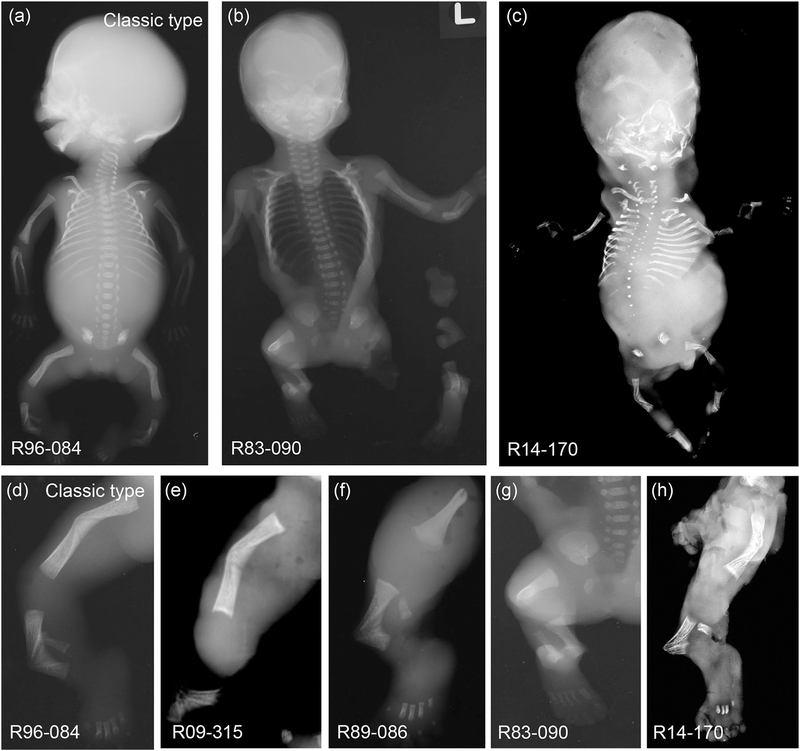
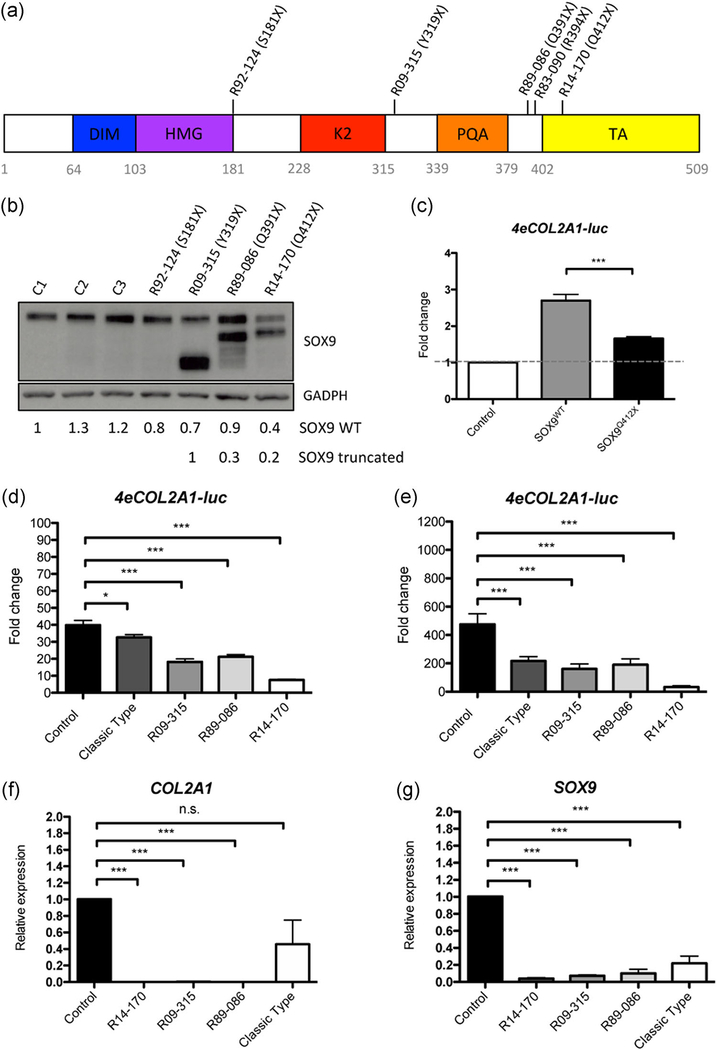
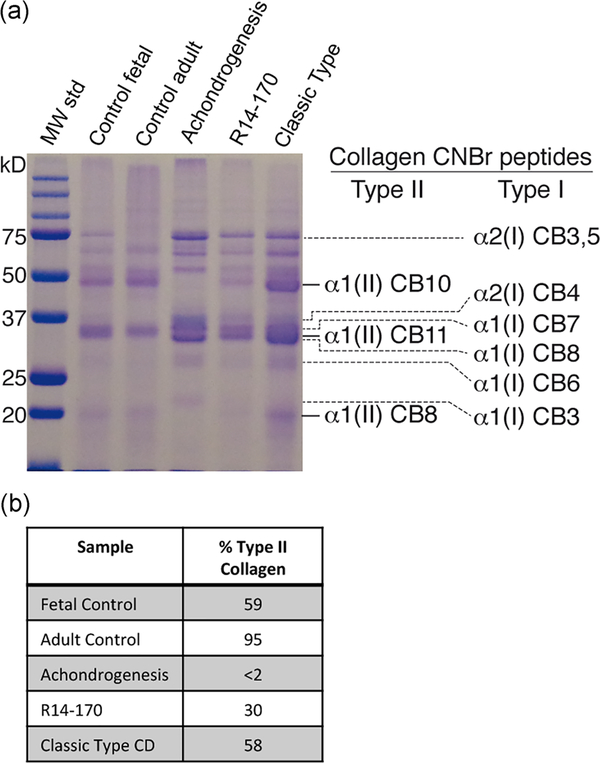
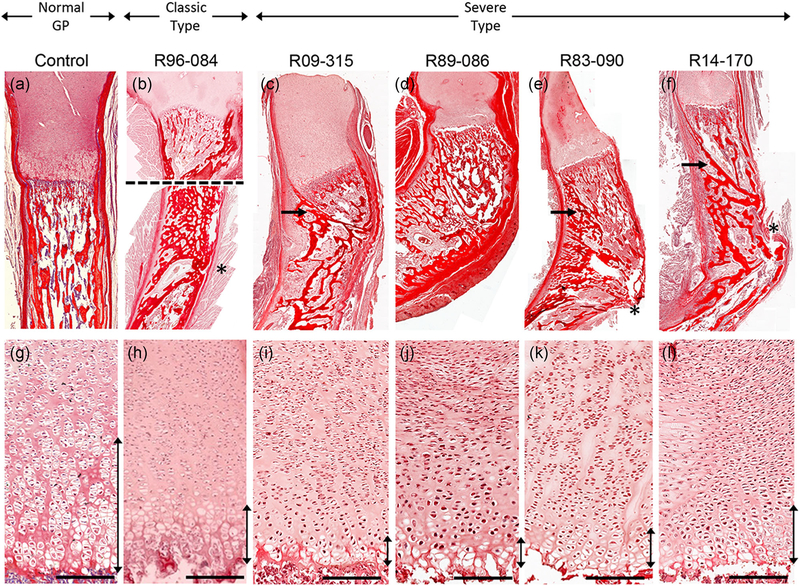
Campomelic dysplasia (CD) is an autosomal dominant, perinatal lethal skeletal dysplasia characterized by a small chest and short long bones with bowing of the lower extremities. CD is the result of heterozygosity for mutations in the gene encoding the chondrogenesis master regulator, SOX9. Loss-of-function mutations have been identified in most CD cases so it has been assumed that the disease results from haploinsufficiency for SOX9. Here, we identified distal truncating SOX9 mutations in four unrelated CD cases. The mutations all leave the dimerization and DNA-binding domains intact and cultured chondrocytes from three of the four cases synthesized truncated SOX9. Relative to CD resulting from haploinsufficiency, there was decreased transactivation activity toward a major transcriptional target, COL2A1, consistent with the mutations exerting a dominant-negative effect. For one of the cases, the phenotypic consequence was a very severe form of CD, with a pronounced effect on vertebral and limb development. The data identify a novel molecular mechanism of disease in CD in which the truncated protein leads to a distinct and more significant effect on SOX9 function.
Keywords: SOX9; bent bone dysplasia; campomelic dysplasia; dominant negative.
© 2019 Wiley Periodicals, Inc.
Figures
References
-
- Bell DM, Leung KKH, Wheatley SC, Ng LJ, Zhou S, Wing Ling K, … Cheah KSE (1997). SOX9 directly regulates the type‐ll collagen gene. Nature Genetics, 16, 174–178. - PubMed
-
- Bogaert R, Tiller GE, Weis MA, Gruber HE, Rimoin DL, Cohn DH, & Eyre DR (1992). An amino acid substitution (Gly853‐‐>Glu) in the collagen alpha 1(II) chain produces hypochondrogenesis. Journal of Biological Chemistry, 267, 22522–22526. - PubMed
-
- Foster JW, Dominguez‐Steglich MA, Guioli S, Kwok C, Weller PA, Stevanović M, … Schafer AJ (1994). Campomelic dysplasia and autosomal sex reversal caused by mutations in an SRY‐related gene. Nature, 372, 525–530. - PubMed
Publication types
MeSH terms
Substances
Grants and funding
LinkOut - more resources
Full Text Sources
Research Materials
