


Nonconserved miR-608 suppresses prostate cancer progression through RAC2/PAK4/LIMK1 and BCL2L1/caspase-3 pathways by targeting the 3'-UTRs of RAC2/BCL2L1 and the coding region of PAK4
- PMID: 31389670
- PMCID: PMC6746107
- DOI: 10.1002/cam4.2455
Nonconserved miR-608 suppresses prostate cancer progression through RAC2/PAK4/LIMK1 and BCL2L1/caspase-3 pathways by targeting the 3'-UTRs of RAC2/BCL2L1 and the coding region of PAK4
Abstract
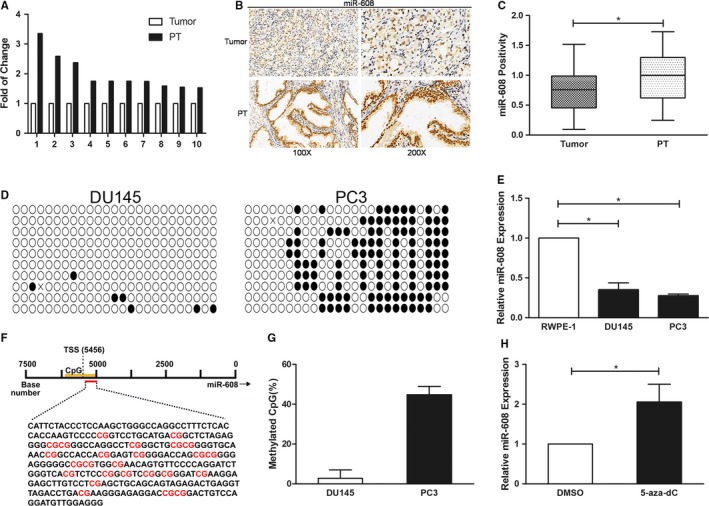
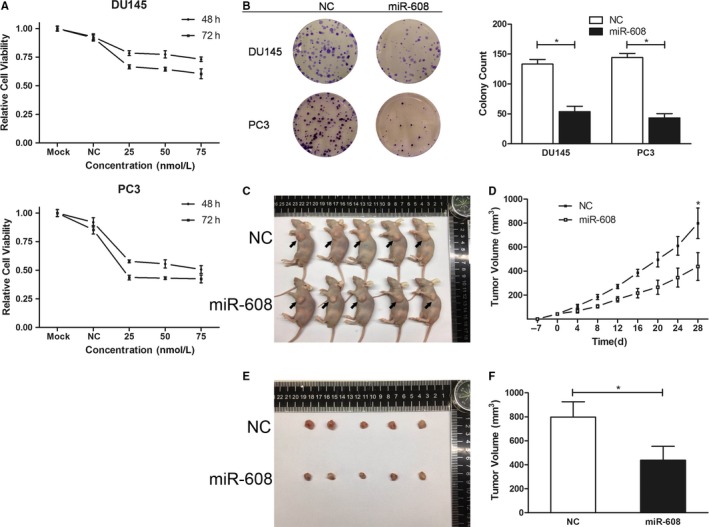
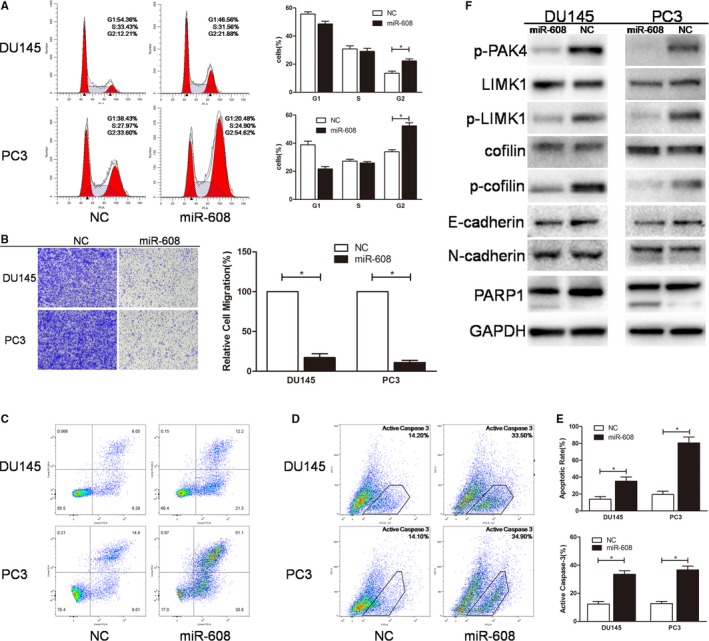
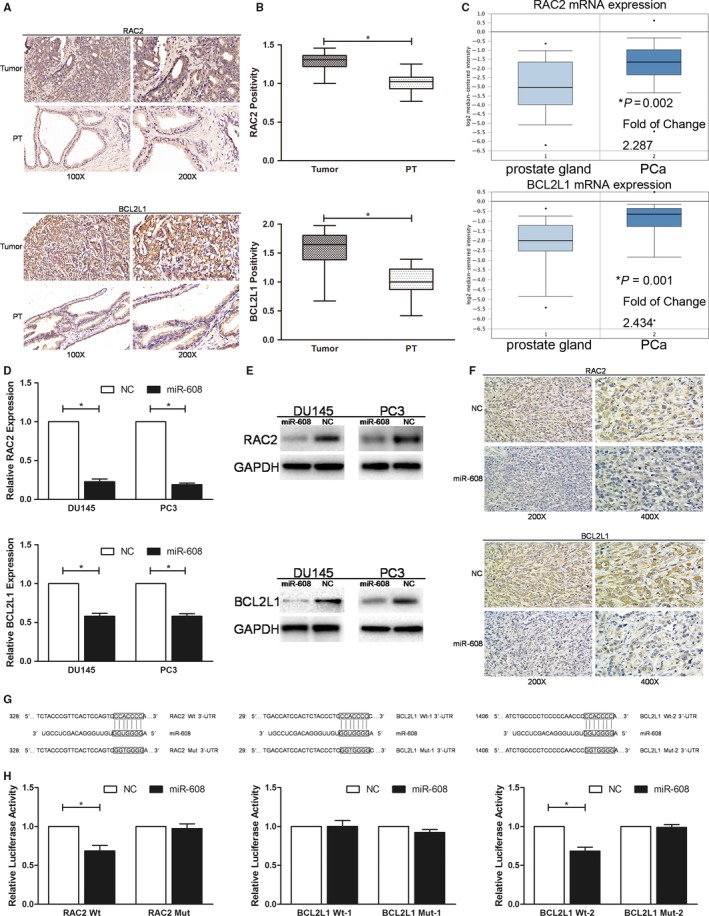
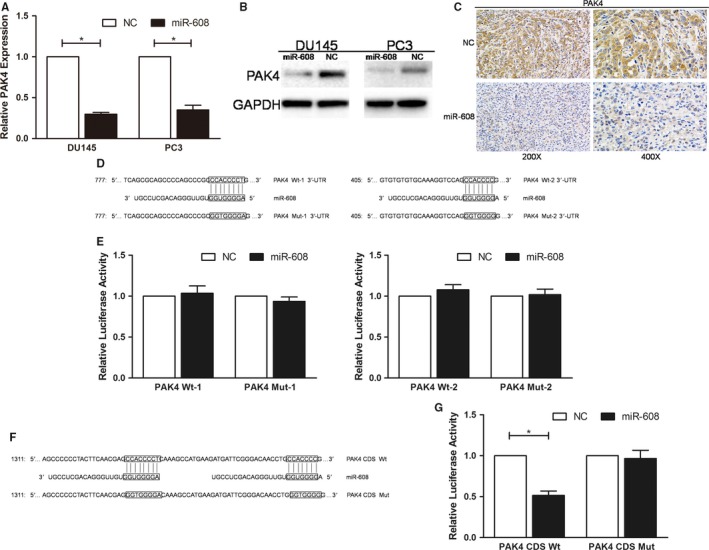
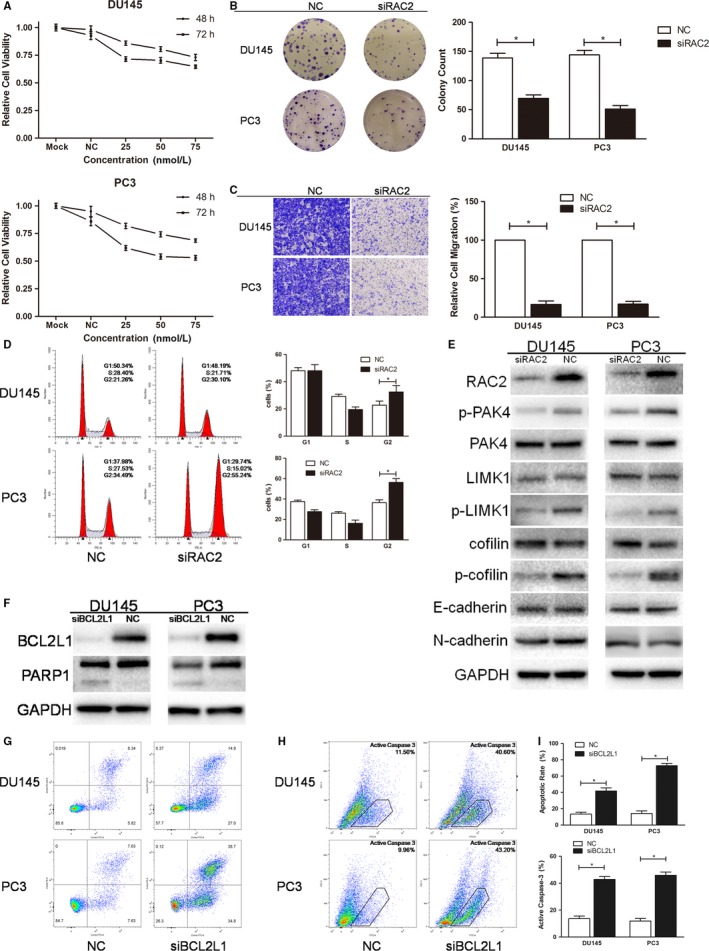
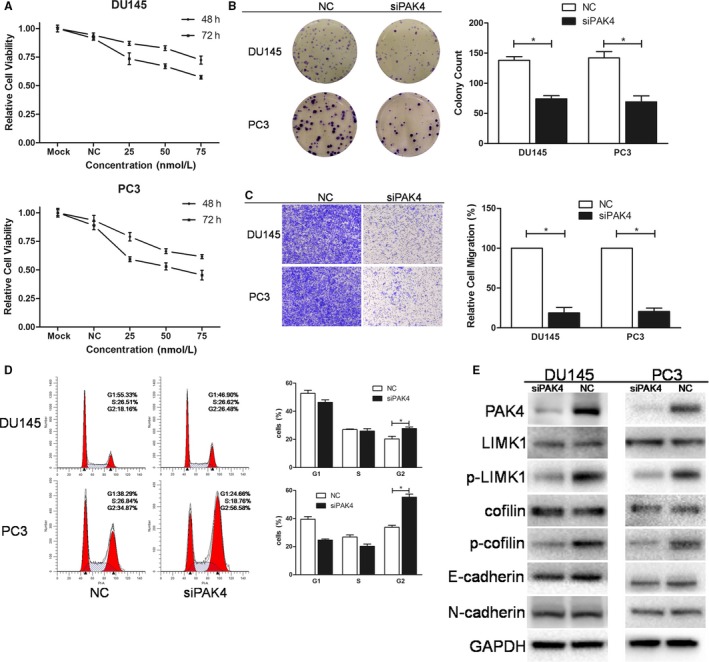
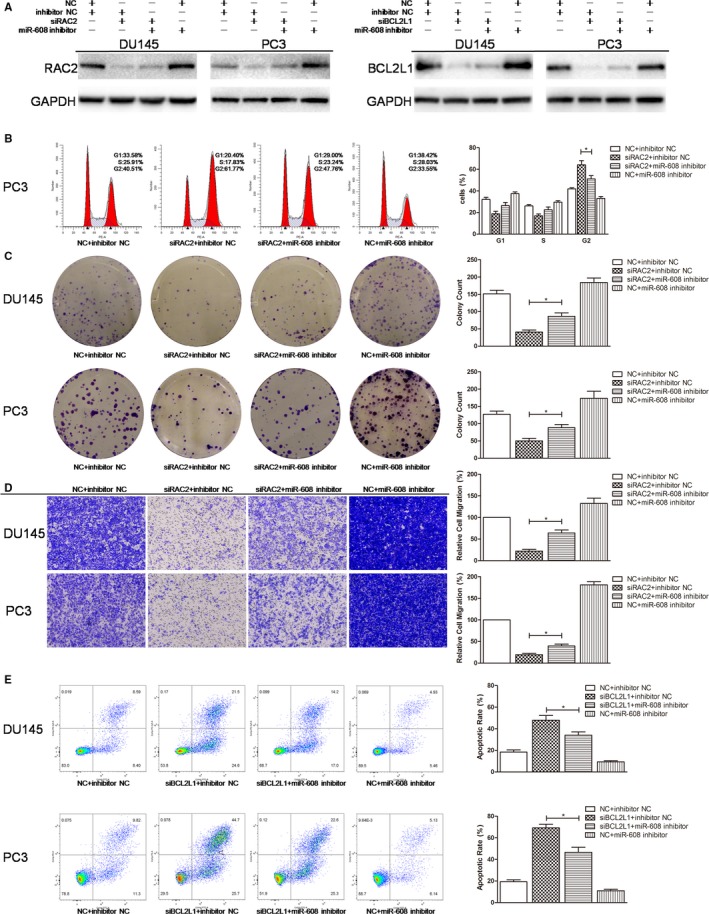
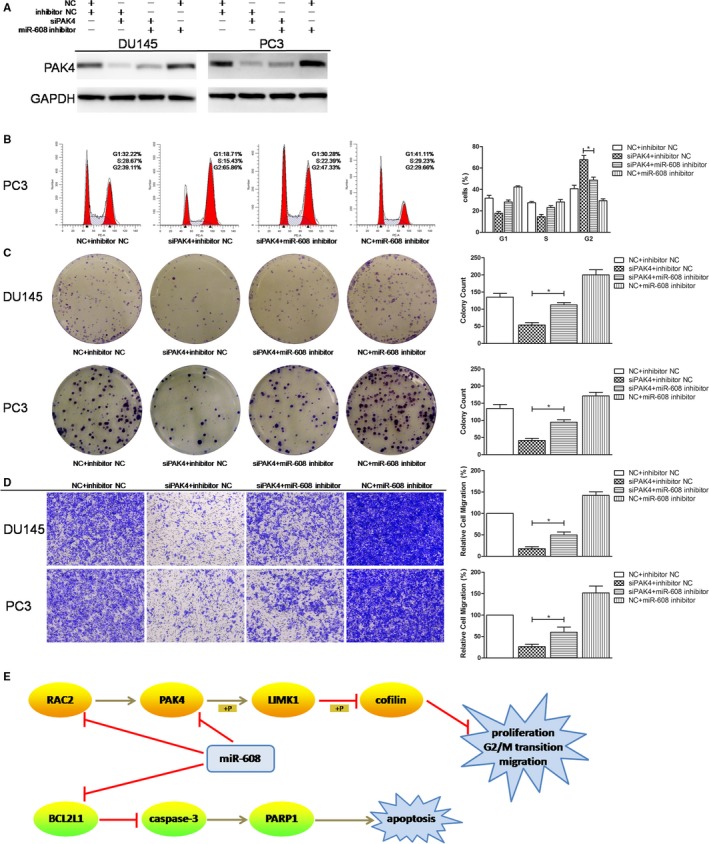
The aim of this study is to investigate the functions and mechanisms of miR-608 in prostate cancer (PCa). CISH and qRT-PCR analysis demonstrated that miR-608 was low expressed in PCa tissues and cells, which was partly attributed to the methylation of CpG island adjacent to the transcription start site (TSS) of miR-608 gene. Intracellular miR-608 overexpression inhibited in vivo PCa tumor growth, and suppressed PCa cell proliferation, G2/M transition, and migration in vitro, which was independent of EMT-associated mechanisms. Then RAC2, a GTPase previously deemed hematopoiesis-specific but now discovered to exist and play important roles in PCa, was verified by western blot and dual-luciferase reporter assays to mediate the effects of miR-608 through RAC2/PAK4/LIMK1/cofilin pathway. MiR-608 also promoted the apoptosis of PCa cells through BCL2L1/caspase-3 pathway by targeting the 3'-UTR of BCL2L1. Moreover, PAK4, the downstream effector of RAC2, was found to be targeted by miR-608 at the mRNA coding sequence (CDS) instead of the canonical 3'-UTR. Knocking down RAC2, PAK4, or BCL2L1 with siRNAs reproduced the antiproliferative, mitosis-obstructive, antimigratory and proapoptotic effects of miR-608 in PCa cells, which could be attenuated by downregulating miR-608. In conclusion, miR-608 suppresses PCa progression, and its activation provides a new therapeutic option for PCa.
Keywords: BCL2L1; G2/M arrest; RAC2; PAK4; microRNA-608; prostate cancer.
© 2019 The Authors. Cancer Medicine published by John Wiley & Sons Ltd.
Conflict of interest statement
The authors declare no conflict of interest.
Figures
References
-
- Bray F, Ferlay J, Soerjomataram I, Siegel RL, Torre LA, Jemal A. Global cancer statistics 2018: GLOBOCAN estimates of incidence and mortality worldwide for 36 cancers in 185 countries. CA Cancer J Clin. 2018;68:394‐424. - PubMed
-
- Crunkhorn S. TRIAL WATCH Pioneering RNAi therapy shows antitumour activity in humans. Nat Rev Drug Discovery. 2013;12:178‐178. - PubMed
-
- Joo MK, Yhee JY, Kim SH, Kim K. The potential and advances in RNAi therapy: chemical and structural modifications of siRNA molecules and use of biocompatible nanocarriers. J Control Release. 2014;193:113‐121. - PubMed
-
- Gregory RI, Shiekhattar R. MicroRNA biogenesis and cancer. Cancer Res. 2005;65:3509‐3512. - PubMed
-
- Soifer HS, Rossi JJ, Saetrom P. MicroRNAs in disease and potential therapeutic applications. Mol Ther. 2007;15:2070‐2079. - PubMed
Publication types
MeSH terms
Substances
Grants and funding
LinkOut - more resources
Full Text Sources
Medical
Molecular Biology Databases
Research Materials
