Review
. 2019 Oct;3(10):768-782.
doi: 10.1038/s41551-019-0436-x. Epub 2019 Aug 12.

Engineering patient-specific cancer immunotherapies

Affiliations
Review

Engineering patient-specific cancer immunotherapies

Lindsay Scheetz et al. Nat Biomed Eng. 2019 Oct.

Abstract

Research into the immunological processes implicated in cancer has yielded a basis for the range of immunotherapies that are now considered the fourth pillar of cancer treatment (alongside surgery, radiotherapy and chemotherapy). For some aggressive cancers, such as advanced non-small-cell lung carcinoma, combination immunotherapies have resulted in unprecedented treatment efficacy for responding patients, and have become frontline therapies. Individualized immunotherapy, enabled by the identification of patient-specific mutations, neoantigens and biomarkers, and facilitated by advances in genomics and proteomics, promises to broaden the responder patient population. In this Perspective, we give an overview of immunotherapies leveraging engineering approaches, including the design of biomaterials, delivery strategies and nanotechnology solutions, for the realization of individualized cancer treatments such as nanoparticle vaccines customized with neoantigens, cell therapies based on patient-derived dendritic cells and T cells, and combinations of theranostic strategies. Developments in precision cancer immunotherapy will increasingly rely on the adoption of engineering principles.


Figures
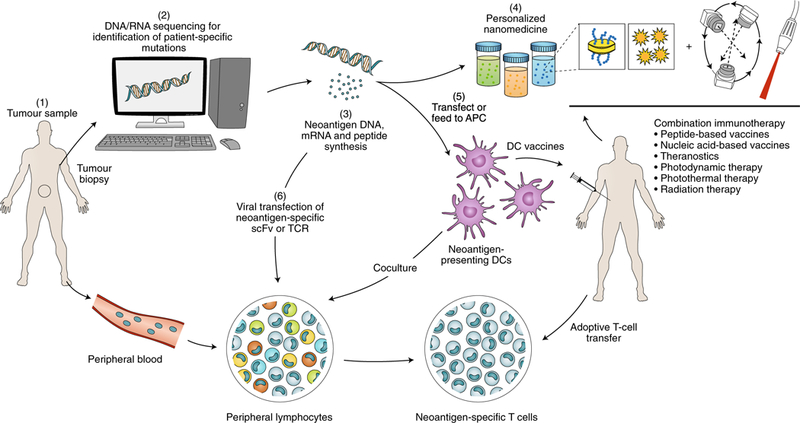
Fig. 1 |
Fig. 1 |. Engineering approaches for personalized immunotherapy.
(1) Tumour samples from cancer patients are collected. (2) The genomic sequence of the tumour is compared with the somatic genome sequence so as to locate mutations, which are processed through multiple algorithms for the prediction of neoantigens. (3,4) Neoantigen-specific DNA, mRNA and peptides are generated (3) and formulated into a personalized nanomedicine for combination cancer immunotherapy (4). (5) Neoantigens can also be loaded on APCs to generate DC vaccines or neoantigen-specific T cells ex vivo. (6) Alternatively, genes encoding scFv or TCRs specific to neoantigens can be transduced into peripheral lymphocytes to generate tumour-reactive T cells for adoptive transfer into the patient. APC, antigen presenting cell. TCR, T-cell receptor.
Fig. 2 |
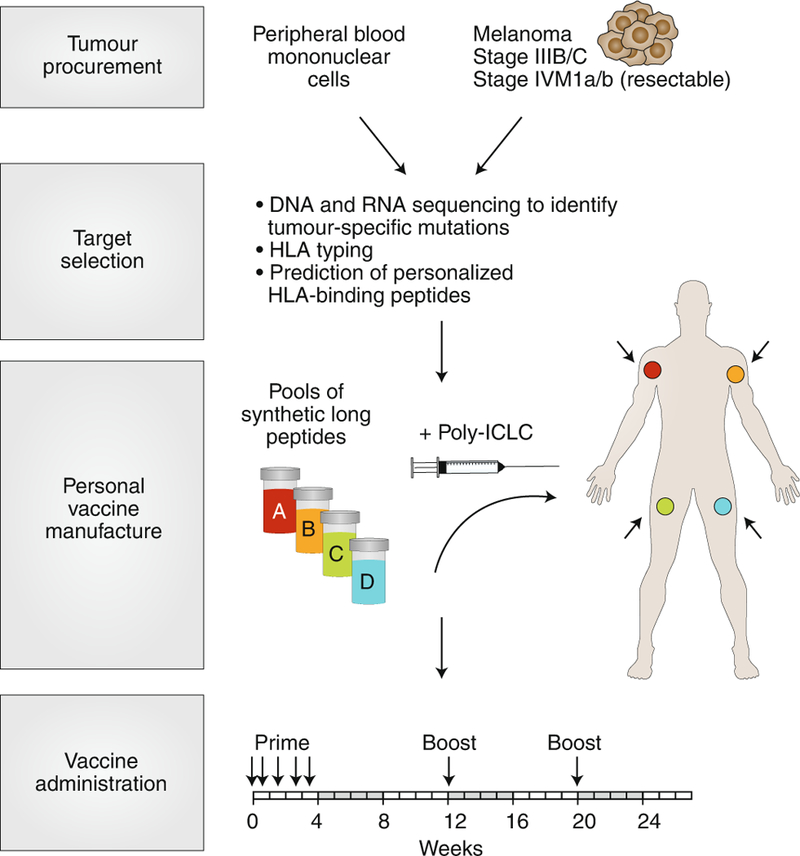
Fig. 2 |. Preparation process for a personalized vaccine.
Matched tumour-cell and normal-cell DNA from peripheral blood mononuclear cells and resected tumours are compared by whole-exome sequencing to detect mutations. Candidate neoantigen peptides are selected, synthesized and used for therapeutic vaccination in corresponding patients with poly-ICLC adjuvant. HLA, human leukocyte antigen. Figure reproduced from ref. , Springer Nature Ltd.
Fig. 3 |
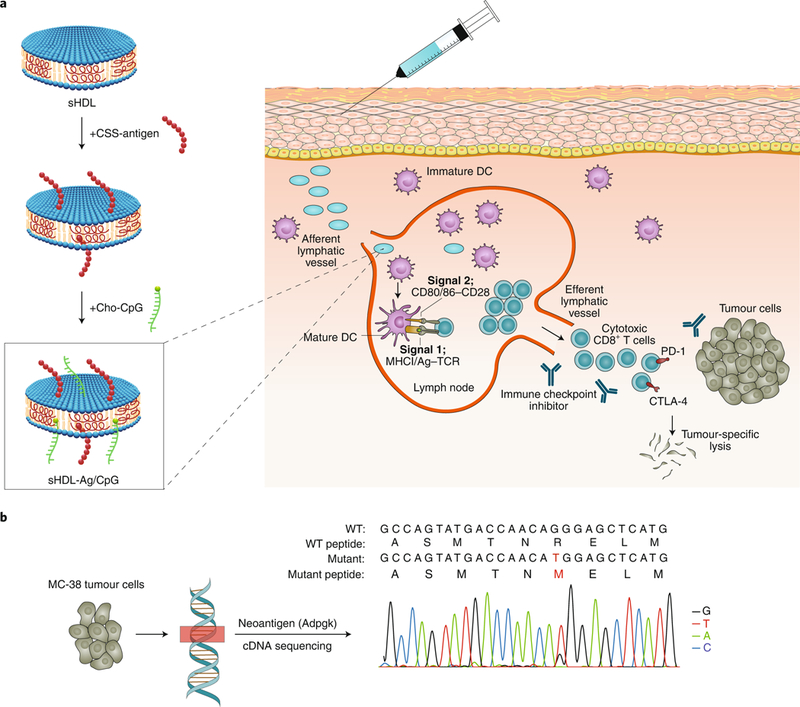
Fig. 3 |. Personalized neoantigen vaccination with sHDL nanodiscs.
a, sHDL nanodiscs loaded with neoantigen peptides and adjuvants (such as CpG) are delivered to draining lymph nodes to induce immune activation signals 1 and 2. b, Neoantigen peptides can be identified via the DNA sequencing of tumour samples. Ag, antigen; TCR, T-cell receptor. Figure reproduced from ref. , Springer Nature Ltd.
Fig. 4 |
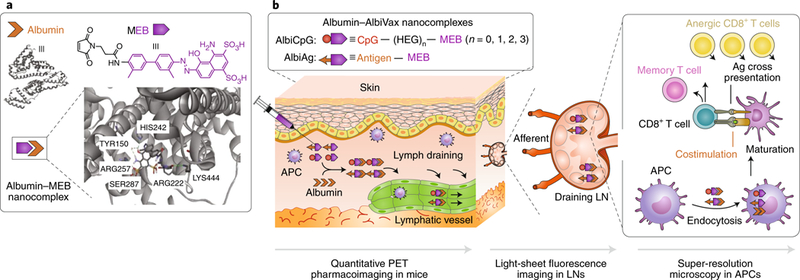
Fig. 4 |. ‘Albumin-hitchhiking’ strategy for neoantigen vaccination.
a, The molecular docking between albumin and a maleimide-functionalized Evans-blue derivative (MEB) leads to the formation of a nanocomplex. b, By conjugating the adjuvant CpG (AlbiCpG) or a tumour-specific antigen (AlbiAg) to MEB, CpG and Ag administered via the subcutaneous route are carried by the albumin-MEB complex to local draining lymph nodes (LN) and endocytosed by APCs. This is followed by maturation of APCs and enhanced antigen presentation, generating CD8+ T-cell responses. Figure reproduced from ref. , Springer Nature Ltd.
Fig. 5 |
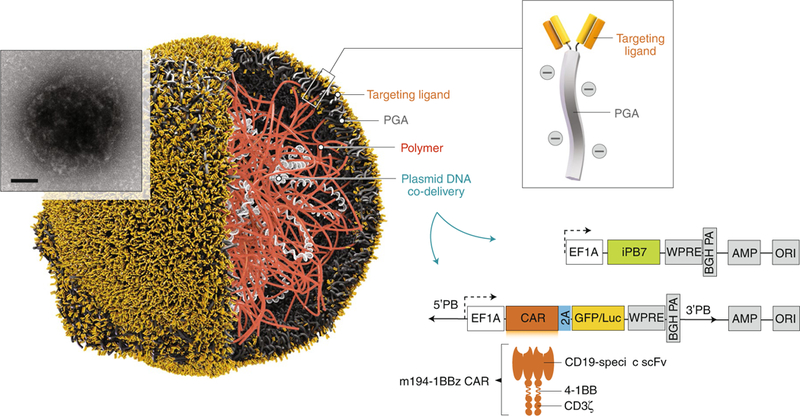
Fig. 5 |. Targeted delivery of CAR genes to peripheral T lymphocytes in situ.
Plasmid DNA encoding a CAR, a microtubule-associated sequence, a nuclear- localization signal peptide and poly(beta-amino ester) polymer make up the scaffold of the nanoparticle, which is covered with PGA-tailed anti-CD3ζ f(ab’)2 via electrostatic interactions. The two plasmids encode an all-murine 194–1BBz CAR and the hyperactive iPB7 transposase. Scale bar, 100 nm. EF1A, eukaryotic translation elongation factor 1 alpha 1; BGH PA, bovine growth hormone polyadenylation signal; AMP, ampicillin resistance gene; ORI, origin of replication. Figure reproduced from ref. , Springer Nature Ltd.
Fig. 6 |
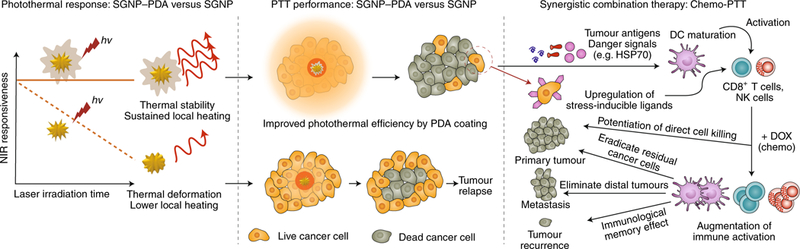
Fig. 6 |. Combination of chemotherapy and photothermal therapy for the elimination of distant secondary tumours.
A polydopamine (PDA) coating on spiky gold nanoparticles (SGNP-PDA) prevents their thermal deformation, improving photothermal efficiency (left). The intratumoural injection of SGNP-PDA followed by laser irradiation induces the release of tumour antigens and danger signals that lead to DC maturation while promoting the secretion of stress-inducible ligands by the cancer cells (middle). Together, these activate and stimulate the proliferation of CD8+ T and NK cells, leading to systemic immune responses (right). Figure reproduced from ref. , Springer Nature Ltd.
Fig. 7 |
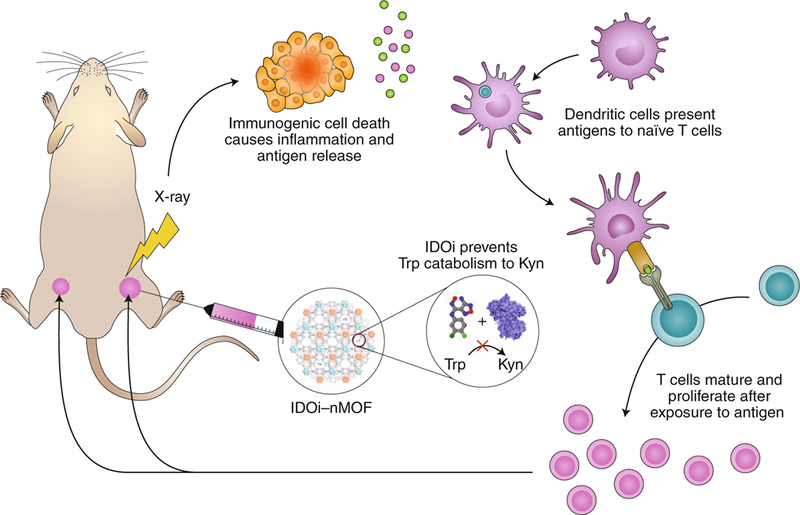
Fig. 7 |. Systemic immune responses via radiation therapy combined with radiodynamic therapy.
Intratumoural injection, into the primary tumour, of the immune-checkpoint agent IDOi encapsulated in an nMOF, followed by radiation, generates reactive oxygen species that induce tumour-cell death and antigen release. In turn, the antigen is presented to T cells by DCs, leading to T-cell activation and proliferation. The potent systemic immune response results in the eradication of a distal secondary tumour. Figure reproduced from ref. , Springer Nature Ltd.

References

    1. Pardoll D The blockade of immune checkpoints in cancer immunotherapy. Nat. Rev. Cancer 12, 252–264 (2012). - PMC - PubMed
    1. Hodi FS et al. Improved survival with ipilimumab in patients with metastatic melanoma. N. Engl. J. Med. 363, 711–723 (2010). - PMC - PubMed
    1. Robert C et al. Pembrolizumab versus ipilimumab in advanced melanoma. N. Engl. J. Med. 372, 2521–2532 (2015). - PubMed
    1. Garon EB et al. Pembrolizumab for the treatment of non-small-cell lung cancer. N. Engl. J. Med. 372, 2018–2028 (2015). - PubMed
    1. Rosenberg JE et al. Atezolizumab in patients with locally advanced and metastatic urothelial carcinoma who have progressed following treatment with platinum-based chemotherapy: a single-arm, multicentre, phase 2 trial. Lancet 387, 1909–1920 (2016). - PMC - PubMed

Publication types

MeSH terms