Clinical emergency care research in low-income and middle-income countries: opportunities and challenges
- PMID: 31406600
- PMCID: PMC6666826
- DOI: 10.1136/bmjgh-2018-001289
Clinical emergency care research in low-income and middle-income countries: opportunities and challenges
Erratum in
-
Correction: Clinical emergency care research in low-income and middle-income countries: opportunities and challenges.BMJ Glob Health. 2020 Jan 14;4(Suppl 6):e001289corr1. doi: 10.1136/bmjgh-2018-001289corr1. eCollection 2019. BMJ Glob Health. 2020. PMID: 32154034 Free PMC article.
Abstract
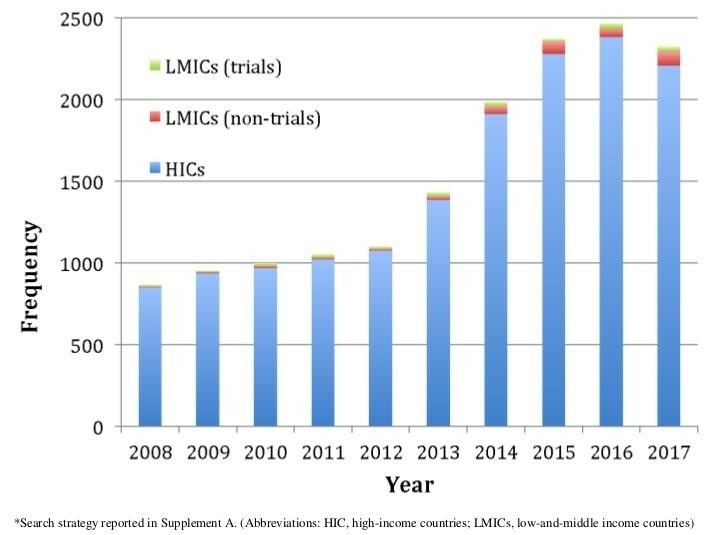
Disease processes that frequently require emergency care constitute approximately 50% of the total disease burden in low-income and middle-income countries (LMICs). Many LMICs continue to deal with emergencies caused by communicable disease states such as pneumonia, diarrhoea, malaria and meningitis, while also experiencing a marked increase in non-communicable diseases, such as cardiovascular diseases, diabetes mellitus and trauma. For many of these states, emergency care interventions have been developed through research in high-income countries (HICs) and advances in care have been achieved. However, in LMICs, clinical research, especially interventional trials, in emergency care are rare. Furthermore, there exists minimal research on the emergency management of diseases, which are rarely encountered in HICs but impact the majority of LMIC populations. This paper explores challenges in conducting clinical research in patients with emergency conditions in LMICs, identifies examples of successful clinical research and highlights the system, individual and study design characteristics that made such research possible in LMICs. Derived from the available literature, a focused list of high impact research considerations are put forth.
Keywords: diseases; disorders; injuries; public health; study design.
Conflict of interest statement
Competing interests: None declared.
Figures
References
-
- Vos T, Barber RM, Bell B, et al. Global, regional, and national incidence, prevalence, and years lived with disability for 301 acute and chronic diseases and injuries in 188 countries, 1990–2013: a systematic analysis for the global burden of Disease Study 2013. The Lancet 2015;386:743–800. 10.1016/S0140-6736(15)60692-4 - DOI - PMC - PubMed
-
- Injuries and violence: the facts 2014. Geneva:: World Health Organization.; 2014.. WHO Department for Management of Noncommunicable Disease, Disability, Violence and Injury Prevention.
Publication types
LinkOut - more resources
Full Text Sources
Medical