


Alternaria host-specific (HSTs) toxins: An overview of chemical characterization, target sites, regulation and their toxic effects
- PMID: 31406682
- PMCID: PMC6684332
- DOI: 10.1016/j.toxrep.2019.06.021
Alternaria host-specific (HSTs) toxins: An overview of chemical characterization, target sites, regulation and their toxic effects
Erratum in
-
Erratum regarding missing Declaration of Competing Interest statements in previously published articles.Toxicol Rep. 2020 Dec 22;8:28-29. doi: 10.1016/j.toxrep.2020.12.007. eCollection 2021. Toxicol Rep. 2020. PMID: 33384945 Free PMC article.
Abstract
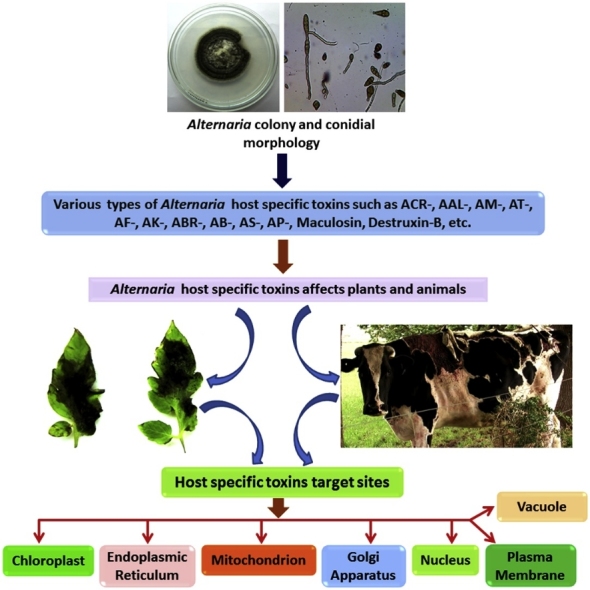
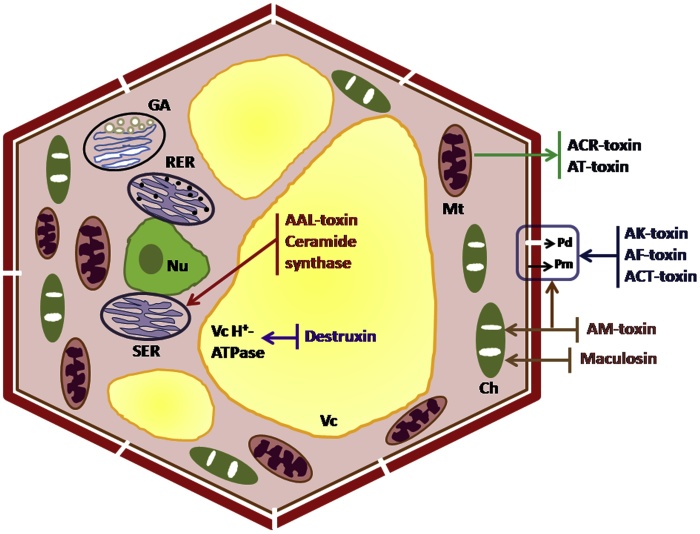
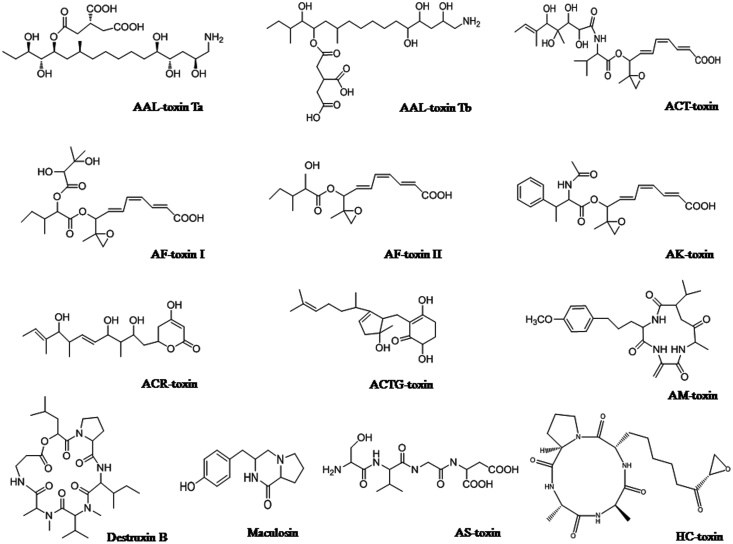
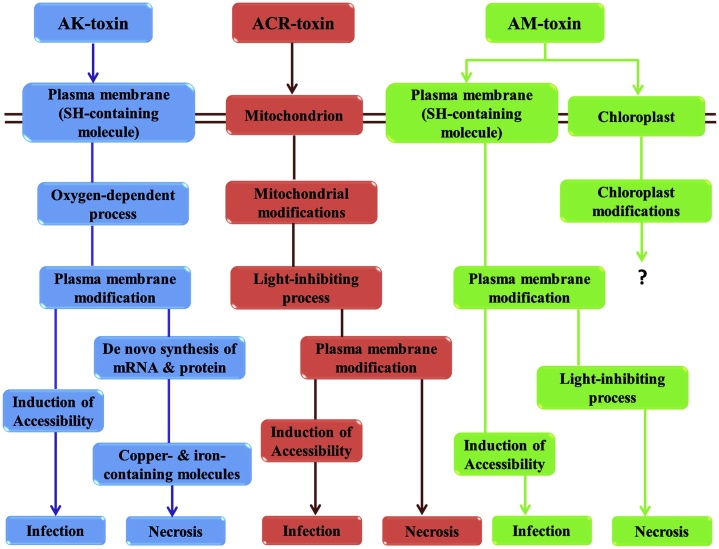
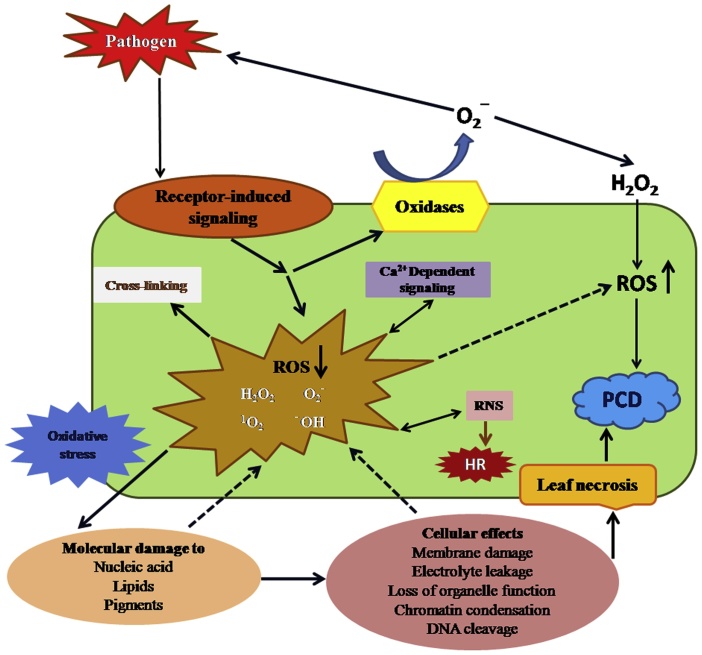
Alternaria causes pathogenic disease on various economically important crops having saprophytic to endophytic lifecycle. Pathogenic fungi of Alternaria species produce many primary and secondary metabolites (SMs). Alternaria species produce more than 70 mycotoxins. Several species of Alternaria produce various phytotoxins that are host-specific (HSTs) and non-host-specific (nHSTs). These toxins have various negative impacts on cell organelles including chloroplast, mitochondria, plasma membrane, nucleus, Golgi bodies, etc. Non-host-specific toxins such as tentoxin (TEN), Alternaric acid, alternariol (AOH), alternariol 9-monomethyl ether (AME), brefeldin A (dehydro-), Alternuene (ALT), Altertoxin-I, Altertoxin-II, Altertoxin-III, zinniol, tenuazonic acid (TeA), curvularin and alterotoxin (ATX) I, II, III are known toxins produced by Alternaria species. In other hand, Alternaria species produce numerous HSTs such as AK-, AF-, ACT-, AM-, AAL- and ACR-toxin, maculosin, destruxin A, B, etc. are host-specific and classified into different family groups. These mycotoxins are low molecular weight secondary metabolites with various chemical structures. All the HSTs have different mode of actions, biochemical reactions, and signaling mechanisms to causes diseases in the host plants. These HSTs have devastating effects on host plant tissues by affecting biochemical and genetic modifications. Host-specific mycotoxins such as AK-toxin, AF-toxin, and AC-toxin have the devastating effect on plants which causes DNA breakage, cytotoxic, apoptotic cell death, interrupting plant physiology by mitochondrial oxidative phosphorylation and affect membrane permeability. This article will elucidate an understanding of the disease mechanism caused by several Alternaria HSTs on host plants and also the pathways of the toxins and how they caused disease in plants.
Keywords: 1O2, singlet oxygen; AA, ascorbic acid; ALT, alternuene; AME, alternariol 9-monomethyl ether; AOH, alternariol; APX, ascorbate peroxidase; ATX, alterotoxin; Alternaria species; CAT, catalase; CDCs, conditionally dispensable chromosomes; DHAR, dehydroascorbate reductase; DHT, dihydrotentoxin; GPX, guaiacol peroxidase; GR, glutathione reductase; GSH, glutathione; H2O2, hydrogen peroxide; HR, hypersensitive response; HSTs, host specific toxins; Host-specific toxins; MDHAR, monodehydroascorbate reductase; NO, nitric oxide; NRPS, nonribosomal peptide synthetase; Non-host-specific toxins; O2˙ˉ, superoxide anion; PCD, programmed cell death; PKS, polyketide synthase gene; Pathogenicity; REMI, restriction enzyme-mediated integration; ROS, reactive oxygen species; SMs, secondary metabolites; SOD, superoxide dismutase; Secondary metabolites; TEN, tentoxin; TeA, tenuazonic acid; UGT, UDP-Glucuronosyltransferases; nHSTs, non-host specific toxins; ˙OH, hydroxyl radical.
Figures
References
-
- Thomma B.P.H.J. Alternaria spp.: from general saprophyte to specific parasite. Mol. Plant Pathol. 2003;4:225–236. - PubMed
-
- Fernández R.L., Rivera M.C., Varsallona B., Wright E.R. Disease prevalence and symptoms caused by Alternaria tenuissima and Pestalotiopsis guepinii on blueberry in Entre Ríos and Buenos Aires, Argentina. Am. J. Plant Sci. 2015;6:3082–3090.
Publication types
LinkOut - more resources
Full Text Sources
Miscellaneous
