Ataxic Gait in Essential Tremor: A Disease-Associated Feature?
- PMID: 31413894
- PMCID: PMC6691745
- DOI: 10.7916/d8-28jq-8t52
Ataxic Gait in Essential Tremor: A Disease-Associated Feature?
Abstract
Background: While accumulating evidence suggests that balance and gait impairments are commonly seen in patients with essential tremor (ET), questions remain regarding their prevalence, their relationship with normal aging, whether they are similar to the impairments seen in spinocerebellar ataxias, their functional consequences, and whether some ET patients carry greater susceptibility.
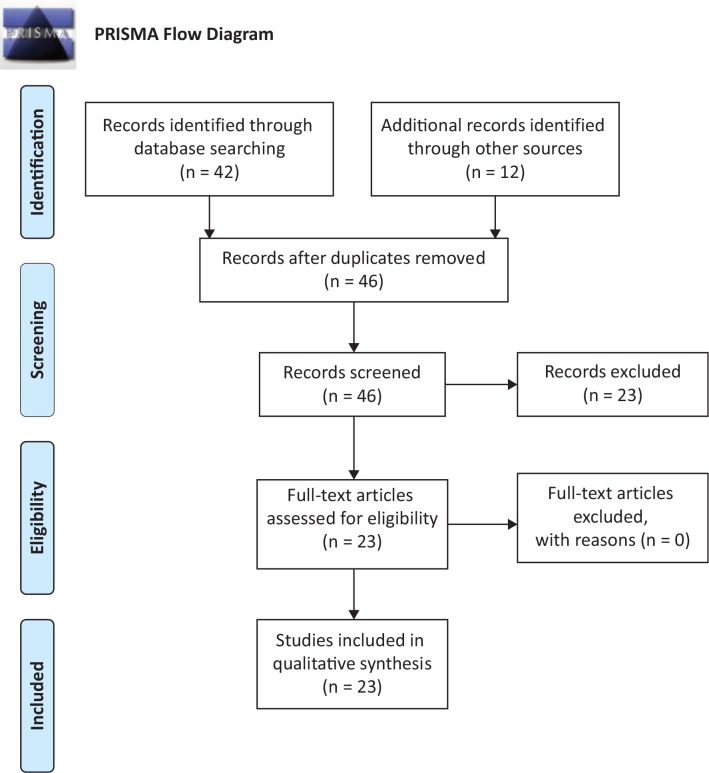
Methods: We conducted a literature search (until December 2018) on this topic.
Results: We identified 23 articles on gait or balance impairments in ET. The prevalence of balance impairment (missteps on tandem walk test) was seven times higher in ET patients than controls. Gait impairments in ET included reduced speed, increased asymmetry, and impaired dynamic balance. While balance and gait problems worsened with age, ET patients were more impaired than controls, independent of age. The pattern of impairments seen in ET was qualitatively similar to that seen in spinocerebellar ataxias. Balance and gait impairments resulted in greater number of near falls in ET patients. Factors associated with balance and gait impairments in ET included age, presence of tremor in midline structures, and cognitive dysfunction.
Discussion: Accumulating evidence suggests that balance and gait impairments are common in ET patients and occur to a greater extent in controls. Thus, they represent a disease-associated feature. These impairments, which are qualitatively similar to those seen in spinocerebellar ataxias, are not merely subclinical but result in difficulty performing functional tasks and increase falls risk. A subset of patients is more susceptible to balance and gait impairments. The full spectrum of impairments remains to be characterized.
Keywords: Essential tremor; ataxia; balance; gait; mobility; posture.
Conflict of interest statement
Funding: AR is supported by the US National Science Foundation (grant no. SCH-1838725). EDL is supported by the National Institutes of Health (grant nos. R01 NS086736 and R01 NS094607). Conflict of Interest: The authors report no conflict of interest. Ethics Statement: This article did not involve experimental investigation of human subjects and thus did not need to obtain informed consent. All primary research reviewed in this article included investigation that was approved by a formal ethics review committee. The study was performed in accordance with the ethical standards detailed in the Declaration of Helsinki and the reporting guidelines of the Preferred Reporting Items for Systematic Reviews and Meta-Analyses (PRISMA).
Figures
References
-
- Elble RJ, Deuschl G. An update on essential tremor. Curr Neurol Neurosci Rep 2009;9(4):273–277. - PubMed
Publication types
MeSH terms
Grants and funding
LinkOut - more resources
Full Text Sources
Medical