Review
. 2019 Aug 14;26(2):163-172.
doi: 10.1016/j.chom.2019.07.006.

Stressed Out About Hormones: How Plants Orchestrate Immunity

Affiliations
Review

Stressed Out About Hormones: How Plants Orchestrate Immunity

Marco Bürger et al. Cell Host Microbe. .

Abstract

Plants are under relentless challenge by pathogenic bacteria, fungi, and oomycetes, for whom they provide a resource of living space and nutrients. Upon detection of pathogens, plants carry out multiple layers of defense response, orchestrated by a tightly organized network of hormones. In this review, we provide an overview of the phytohormones involved in immunity and the ways pathogens manipulate their biosynthesis and signaling pathways. We highlight recent developments, including the discovery of a defense signaling molecule, new insights into hormone biosynthesis, and the increasing importance of signaling hubs at which hormone pathways intersect.

Keywords: abscisic acid; auxin; brassinosteroids; cytokinin; defense responses; ethylene; gibberellic acid; hormone crosstalk; jasmonic acid; pathogens; phytohormones; plant hormones; plant immunity; salicylic acid.


Figures

Figure 1.
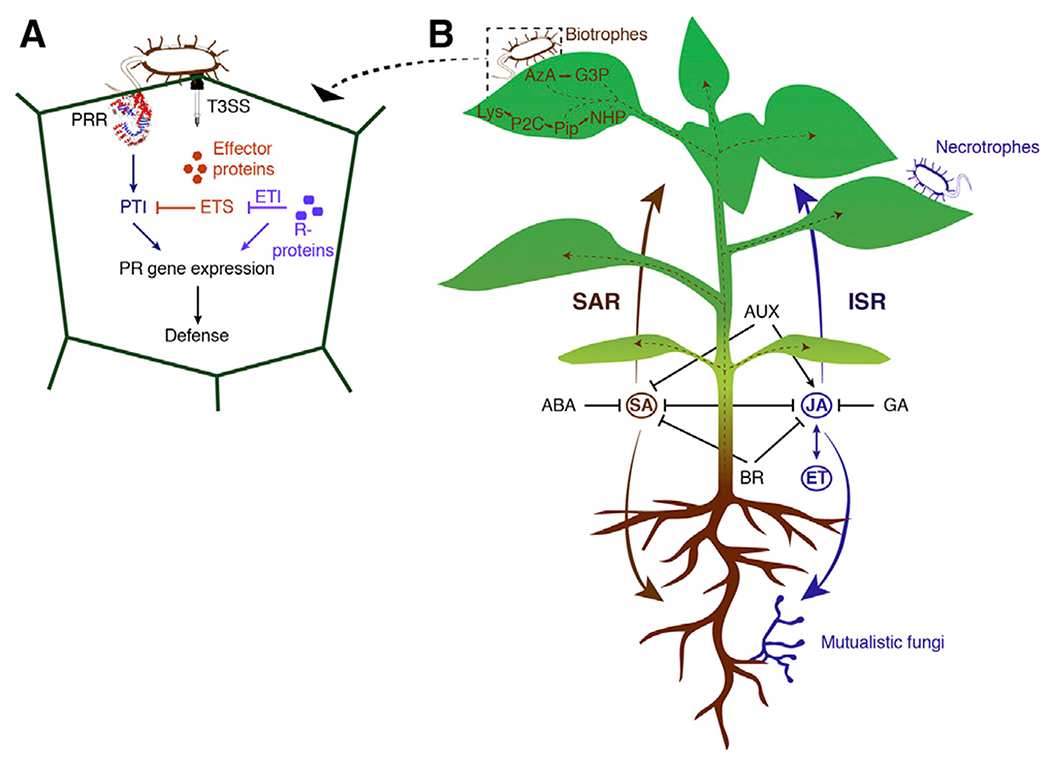
Figure 1.. Hormone Pathways Interact and Cause Two Different Kinds of Systemic Immunity
(A) Typical components and steps preceding the establishment of SAR: pattern recognition receptors (PRRs) recognize microbe-associated molecular patterns (MAMPS), leading to PAMP-triggered immunity (PTI). Pathogenic bacteria eject effector proteins into the host using a type III secretion system (T3SS), causing effector-triggered susceptibility (ETS). The plant can counteract effector proteins with R-proteins, leading to effector-triggered immunity (ETI). (B) Left side, in brown: systemic acquired resistance (SAR) is established against biotrophic pathogens and is controlled by SA. Azelaic acid (AzA), glycerol-3-phosphate (G3P), pipecolic acid (Pip), and N-hydroxypipecolic acid (NHP) are all transported from the infected site to uninfected tissues. Right side, in blue: induced systemic resistance (ISR) requires JA and ET signaling and is found as a response against necrotrophic pathogens but also mutualistic organisms.
Figure 2.
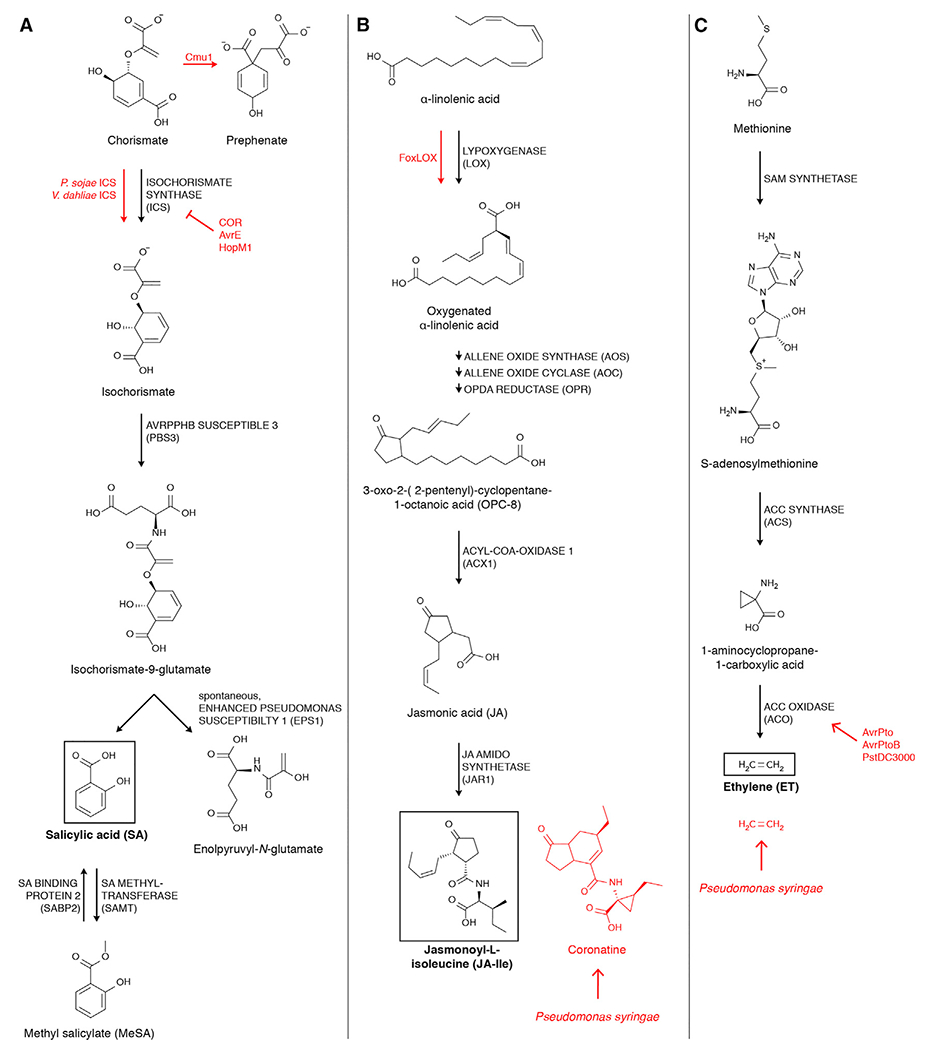
Figure 2.. Pathogens Manipulate Hormone Biosynthesis Pathways at Multiple Points
(A) Salicylic acid is abbreviated as SA. Cmu1 depletes the SA precursor chorismate by turning it into prephenate. COR, AvrE, and HopM1 interrupt SA production by blocking the ICS enzyme. P. sojae and V. dahliae have their own ICS enzymes to stimulate SA production. (B) Jasmonic acid is abbreviated as JA. The pathogenic FoxLOX enzyme and the JA-Ile mimic coronatine both stimulate JA signaling. (C) Ethyleneis abbreviated as ET. AvrPto, AvrPtoB, and Pseudomonas syringae pv. tomato DC3000 (Pst DC3000) stimulate ET production through upregulation of ACC OXIDASE. Some Pseudomonas syringae strains produce ET.
Figure 3.
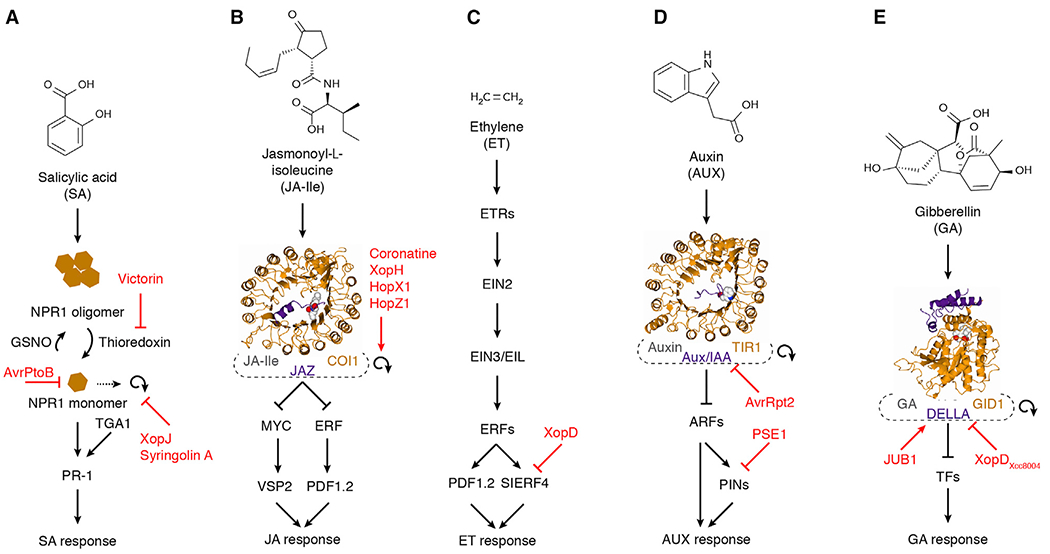
Figure 3.. Pathogens Interfere with Signaling Pathways to Remodel Hormone Responses
(A) Salicylic acid (SA). Victorin blocks NPR1 activation by inhibiting thioredoxin. XopJ and syringolin block necessary turnover of phosphorylated NPR1. AvrPtoB directly targets NPR1 for degradation. (B) Jasmonic acid (JA). The JA-Ile mimic coronatine as well as the effector proteins XopH, HopX1, and HopZ1 induce JA signaling by causing turnover of the COI1-JAZ receptor complex. (C) Ethylene (ET). XopD blocks ET signaling by inhibiting SIERF4. (D) Auxin (AUX). AvrRpt2 initiates AUX signaling through degradation of Aux/IAA proteins. PSE1 changes AUX levels through altered distribution of PIN proteins. (E) Gibberellin (GA). XopDXcc8004 blocks GA signaling by interfering with DELLA degradation, and JUB1 accumulates DELLAs through suppression of GA biosynthesis.
Figure 4.
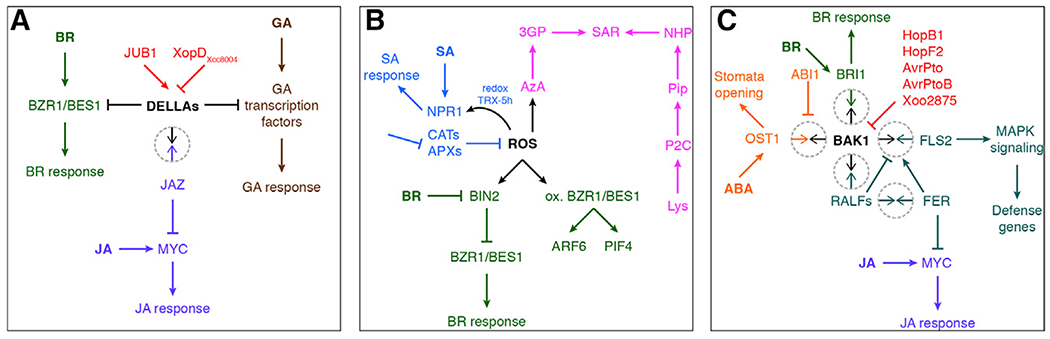
Figure 4.. Hormone Pathways Merge at Several Signaling Hubs
(A) DELLA proteins integrate signals from the JA, GA, and BR pathways. (B) ROS trigger SAR priming and SA response and have both inhibitory and activating effects on the BR pathway. (C) BAK1 is a co-receptor of many receptors and thus integrates signals from the BR, JA, and ABA pathways as well as immune signaling through peptides. Protein-protein interactions in (A) and (C) are shown as encircled arrows.

References

    1. Adie BAT, Pérez-Pérez J, Pérez-Pérez MM, Godoy M, Sánchez-Serrano JJ, Schmelz EA, and Solano R (2007). ABA is an essential signal for plant resistance to pathogens affecting ja biosynthesis and the activation of defenses in Arabidopsis. Plant Cell 19, 1665–1681. - PMC - PubMed
    1. Albrecht C, Boutrot F, Segonzac C, Schwessinger B, Gimenez-Ibanez S, Chinchilla D, Rathjen JP, deVries SC, and Zipfel C (2012). Brassinosteroids inhibit pathogen-associated molecular pattern-triggered immune signaling independent of the receptor kinase BAK1. Proc. Natl. Acad. Sci. USA 109, 303–308. - PMC - PubMed
    1. Bedinger PA, Pearce G, and Covey PA (2010). RALFs: peptide regulators of plant growth. Plant Signal. Behav. 5, 1342–1346. - PMC - PubMed
    1. Belkhadir Y, Jaillais Y, Epple P, Balsemão-Pires E, Dangl JL, and Chory J (2012). Brassinosteroids modulate the efficiency of plant immune responses to microbe-associated molecular patterns. Proc. Natl. Acad. Sci. USA 109, 297–302. - PMC - PubMed
    1. Bergonci T, Ribeiro B, Ceciliato PH, Guerrero-Abad JC, Silva-Filho MC, and Moura DS (2014).Arabidopsis thaliana RALF1 opposes brassinosteroid effects on root cell elongation and lateral root formation. J. Exp. Bot. 65, 2219–2230. - PMC - PubMed

Publication types

LinkOut - more resources