


Neutrophil Extracellular Trap Formation: Physiology, Pathology, and Pharmacology
- PMID: 31416173
- PMCID: PMC6722781
- DOI: 10.3390/biom9080365
Neutrophil Extracellular Trap Formation: Physiology, Pathology, and Pharmacology
Abstract
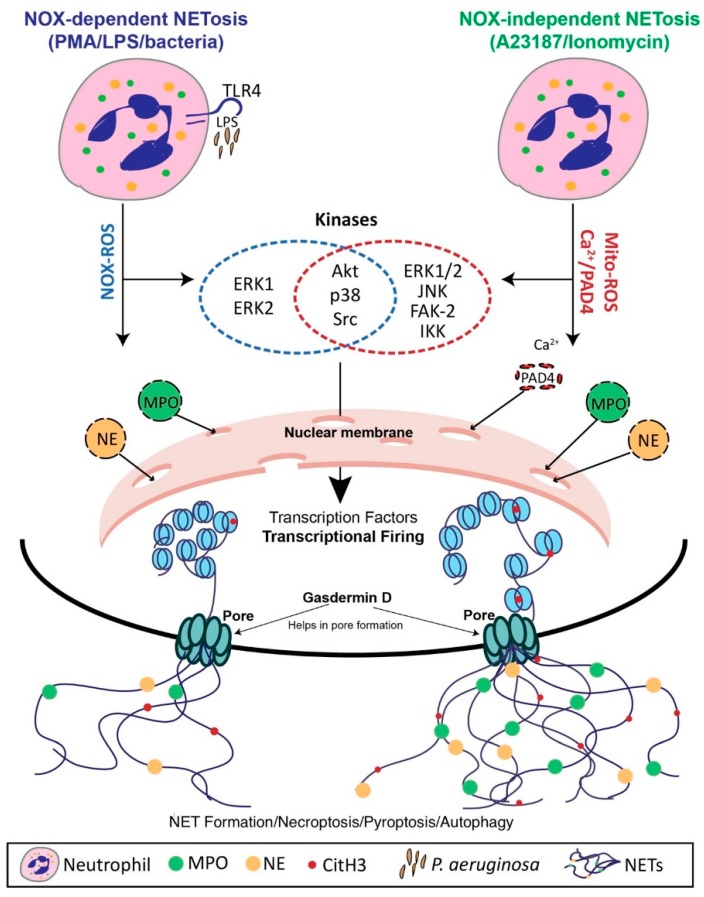
Neutrophil extracellular traps (NETs), a unique DNA framework decorated with antimicrobial peptides, have been in the scientific limelight for their role in a variety of pathologies ranging from cystic fibrosis to cancer. The formation of NETs, as well as relevant regulatory mechanisms, physiological factors, and pharmacological agents have not been systematically discussed in the context of their beneficial and pathological aspects. Novel forms of NET formation including vital NET formation continue to be uncovered, however, there remain fundamental questions around established mechanisms such as NADPH-oxidase (Nox)-dependent and Nox-independent NET formation. Whether NET formation takes place in the tissue versus the bloodstream, internal factors (e.g. reactive oxygen species (ROS) production and transcription factor activation), and external factors (e.g. alkaline pH and hypertonic conditions), have all been demonstrated to influence specific NET pathways. Elements of neutrophil biology such as transcription and mitochondria, which were previously of unknown significance, have been identified as critical mediators of NET formation through facilitating chromatin decondensation and generating ROS, respectively. While promising therapeutics inhibiting ROS, transcription, and gasdermin D are being investigated, neutrophil phagocytosis plays a critical role in host defense and any therapies targeting NET formation must avoid impairing the physiological functions of these cells. This review summarizes what is known in the many domains of NET research, highlights the most relevant challenges in the field, and inspires new questions that can bring us closer to a unified model of NET formation.
Keywords: Neutrophil extracellular traps; Nox-dependent/Nox-independent/suicidal/vital NETs; autoimmunity; cancer metastasis; cystic fibrosis; diabetes.
Conflict of interest statement
The authors declare no conflict of interest.
Figures
References
Publication types
MeSH terms
Substances
Grants and funding
LinkOut - more resources
Full Text Sources
Other Literature Sources
