


Curcumin-loaded nanoparticles: a novel therapeutic strategy in treatment of central nervous system disorders
- PMID: 31417253
- PMCID: PMC6592058
- DOI: 10.2147/IJN.S208332
Curcumin-loaded nanoparticles: a novel therapeutic strategy in treatment of central nervous system disorders
Abstract
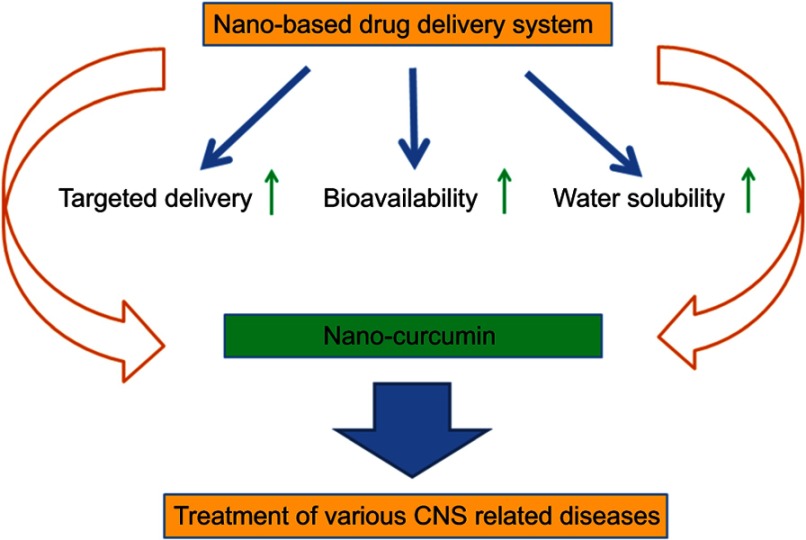
Curcumin as a hydrophobic polyphenol is extracted from the rhizome of Curcuma longa. Curcumin is widely used as a dietary spice and a topical medication for the treatment of inflammatory disorders in Asia. This compound also possesses remarkable anti-inflammatory and neuroprotective effects with the ability to pass from the blood brain barrier. Based on several pharmacological activities of curcumin, it has been introduced as an ideal candidate for different neurological disorders. Despite the pleiotropic activities of curcumin, poor solubility, rapid clearance and low stability have limited its clinical application. In recent years, nano-based drug delivery system has effectively improved the aqueous solubility and bioavailability of curcumin. In this review article, the effects of curcumin nanoparticles and their possible mechanism/s of action has been elucidated in various central nervous system (CNS)-related diseases including Parkinson's disease, Huntington disease, Alzheimer's disease, Multiple sclerosis, epilepsy and Amyotrophic Lateral Sclerosis. Furthermore, recent evidences about administration of nano-curcumin in the clinical trial phase have been described in the present review article.
Keywords: bioavailability; central nervous system diseases; curcumin; nanoparticles; water solubility.
Conflict of interest statement
The authors report no conflicts of interest in this work.
Figures
References
-
- Emerit J, Edeas M, Bricaire F. Neurodegenerative diseases and oxidative stress. Biomedicine & Pharmacotherapy. 2004; 58(1):39–46. - PubMed
-
- Radad K, Gille G, Liu L, Rausch WD. Use of ginseng in medicine with emphasis on neurodegenerative disorders. Journal of Pharmacological Sciences 2006;100(3):175–186. - PubMed
Publication types
MeSH terms
Substances
LinkOut - more resources
Full Text Sources
Other Literature Sources
