


Comparative secretome analysis of different smut fungi and identification of plant cell death-inducing secreted proteins from Tilletia horrida
- PMID: 31419944
- PMCID: PMC6697988
- DOI: 10.1186/s12870-019-1924-6
Comparative secretome analysis of different smut fungi and identification of plant cell death-inducing secreted proteins from Tilletia horrida
Abstract
Background: Tilletia horrida is a basidiomycete fungus that causes rice kernel smut, one of the most important rice diseases in hybrid rice growing areas worldwide. However, little is known about its mechanisms of pathogenicity. We previously reported the genome of T. horrida, and 597 genes that encoded secreted proteins were annotated. Among these were some important effector genes related to pathogenicity.
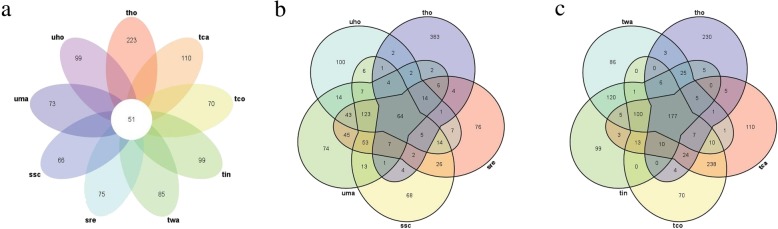
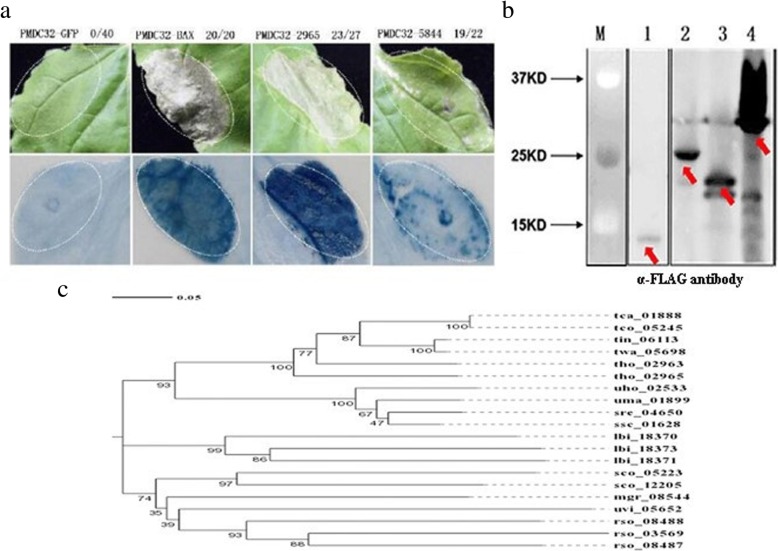
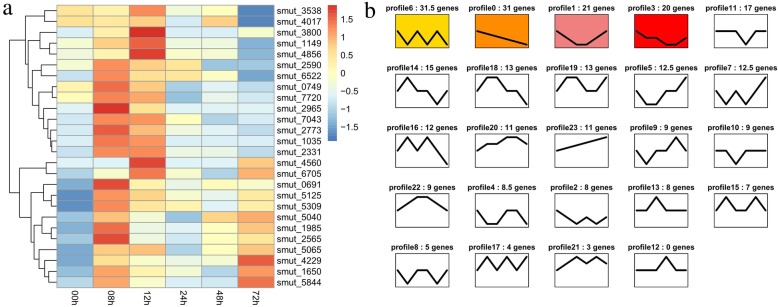
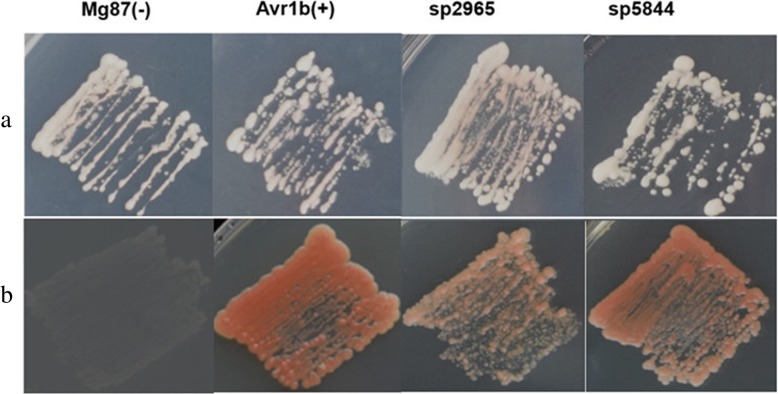
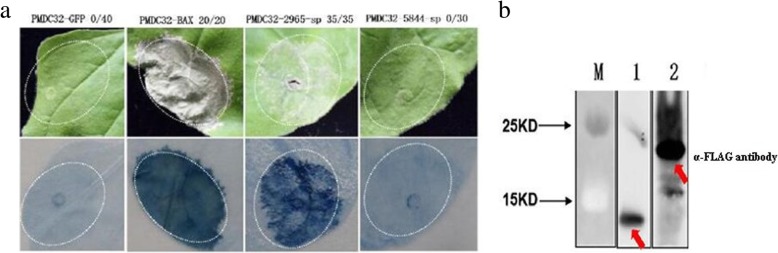
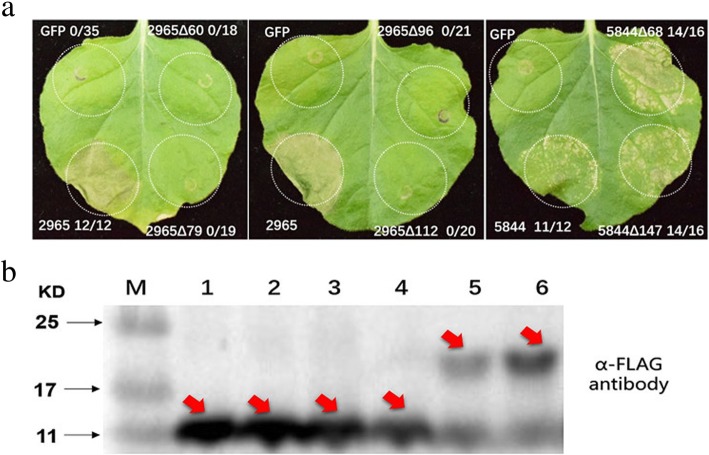
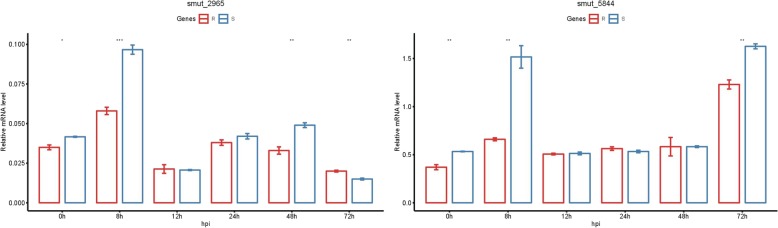
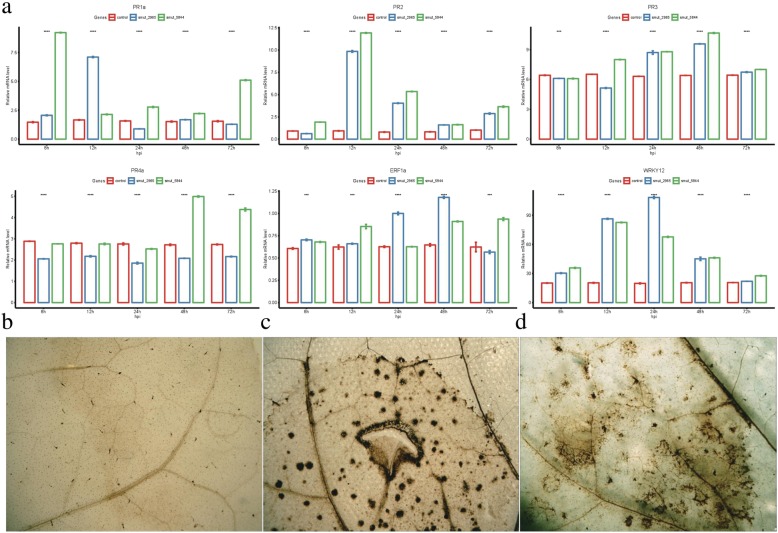
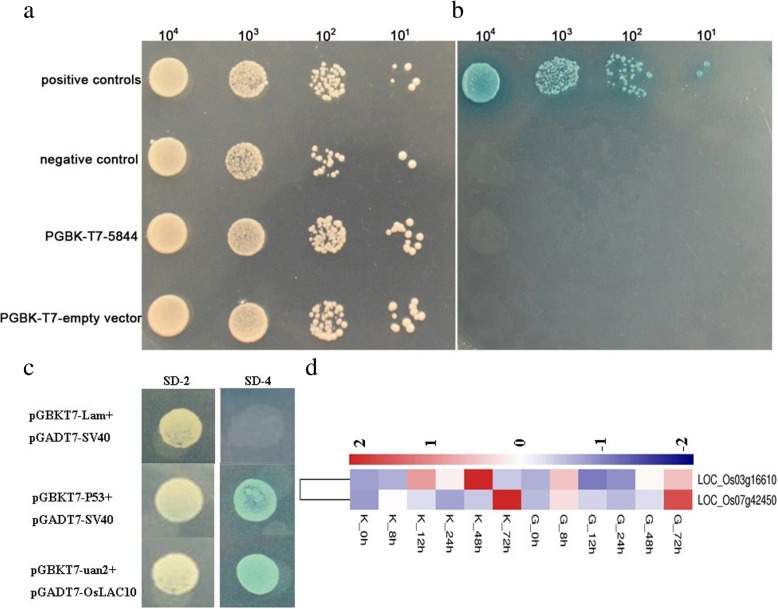
Results: A secretome analysis suggested that five Tilletia fungi shared more gene families than were found in other smuts, and there was high conservation between them. Furthermore, we screened 597 secreted proteins from the T. horrida genome, some of which induced expression in host-pathogen interaction processes. Through transient expression, we demonstrated that two putative effectors could induce necrosis phenotypes in Nicotiana benthamiana. These two encoded genes were up-regulated during early infection, and the encoded proteins were confirmed to be secreted using a yeast secretion system. For the putative effector gene smut_5844, a signal peptide was required to induce non-host cell death, whereas ribonuclease catalytic active sites were required for smut_2965. Moreover, both putative effectors could induce an immune response in N. benthamiana leaves. Interestingly, one of the identified potential host interactors of smut_5844 was laccase-10 protein (OsLAC10), which has been predicted to be involved in plant lignification and iron metabolism.
Conclusions: Overall, this study identified two secreted proteins in T. horrida that induce cell death or are involved in defense machinery in non-host plants. This research provides a useful foundation for understanding the interaction between rice and T. horrida.
Keywords: Cell-death; Effector proteins; RNase active site; Signal peptides; Tilletia horrida; Yeast two-hybrid.
Conflict of interest statement
The authors declare that they have no competing interests
Figures
References
-
- Webster RK, Gunnell PS. Compendium of rice diseases. Mycologia. 1992;84:953.
-
- Takahashi Y. On Ustilago virens Cooke and a new species of Tilletia parasitic on rice plant. Tokyo Bot Mag. 1896;10:16–20. doi: 10.15281/jplantres1887.10.109_16. - DOI
-
- Tsuda M, Sasahara M, Ohara T, Kato S. Optimal application timing of simeconazole granules for control of rice kernel smut and false smut. J Gen Plant Pathol. 2006;72(5):301–304. doi: 10.1007/s10327-006-0288-6. - DOI
-
- Biswas A. Kernel smut disease of rice: current status and future challenges. Environ Ecol. 2003;21:336–351.
MeSH terms
Substances
Grants and funding
LinkOut - more resources
Full Text Sources
