Review
. 2019 Oct 1;129(10):4001-4008.
doi: 10.1172/JCI129188.

β Cell dysfunction during progression of metabolic syndrome to type 2 diabetes

Affiliations
Review

β Cell dysfunction during progression of metabolic syndrome to type 2 diabetes

Laura I Hudish et al. J Clin Invest. .

Abstract

In a society where physical activity is limited and food supply is abundant, metabolic diseases are becoming a serious epidemic. Metabolic syndrome (MetS) represents a cluster of metabolically related symptoms such as obesity, hypertension, dyslipidemia, and carbohydrate intolerance, and significantly increases type 2 diabetes mellitus risk. Insulin resistance and hyperinsulinemia are consistent characteristics of MetS, but which of these features is the initiating insult is still widely debated. Regardless, both of these conditions trigger adverse responses from the pancreatic β cell, which is responsible for producing, storing, and releasing insulin to maintain glucose homeostasis. The observation that the degree of β cell dysfunction correlates with the severity of MetS highlights the need to better understand β cell dysfunction in the development of MetS. This Review focuses on the current understanding from rodent and human studies of the progression of β cell responses during the development of MetS, as well as recent findings addressing the complexity of β cell identity and heterogeneity within the islet during disease progression. The differential responses observed in β cells together with the heterogeneity in disease phenotypes within the patient population emphasize the need to better understand the mechanisms behind β cell adaptation, identity, and dysfunction in MetS.


Conflict of interest statement

Conflict of interest: The authors have declared that no conflict of interest exists.

Figures

Figure 1
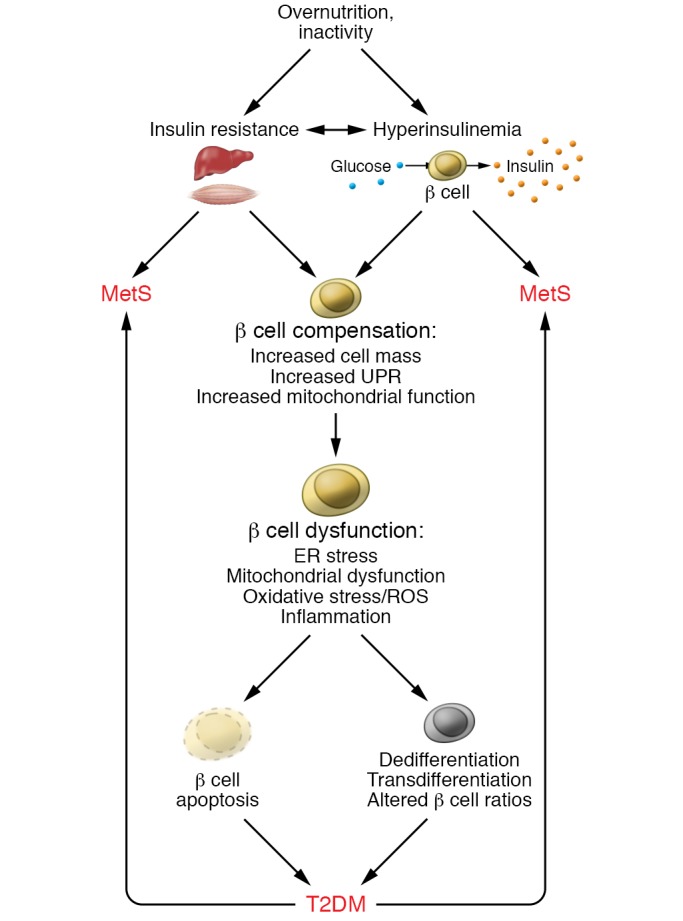
Figure 1. β Cell compensation and dysfunction in MetS and T2DM.
A lifestyle of overnutrition and/or inactivity can give rise to an insulin-resistant condition and/or induce insulin hypersecretion from the pancreatic β cell. In each case, a feedback cycle can be established to exacerbate insulin resistance and increase insulin secretion; both conditions can trigger MetS and its related complications. Initially, β cells are able to functionally compensate for the increased metabolic demand by increasing β cell mass, inducing an unfolded protein response (UPR) and improving mitochondrial function. However, over time, in a subset of individuals, β cell compensation cannot be sustained, and β cells become dysfunctional, presenting with ER stress, mitochondrial dysfunction, oxidative stress, and inflammation. Ultimately, the stressed β cells undergo cell death, dedifferentiation, transdifferentiation, or phenotypic alterations that compromise function. Disrupted β cell function can feed back to exacerbate MetS.
Figure 2
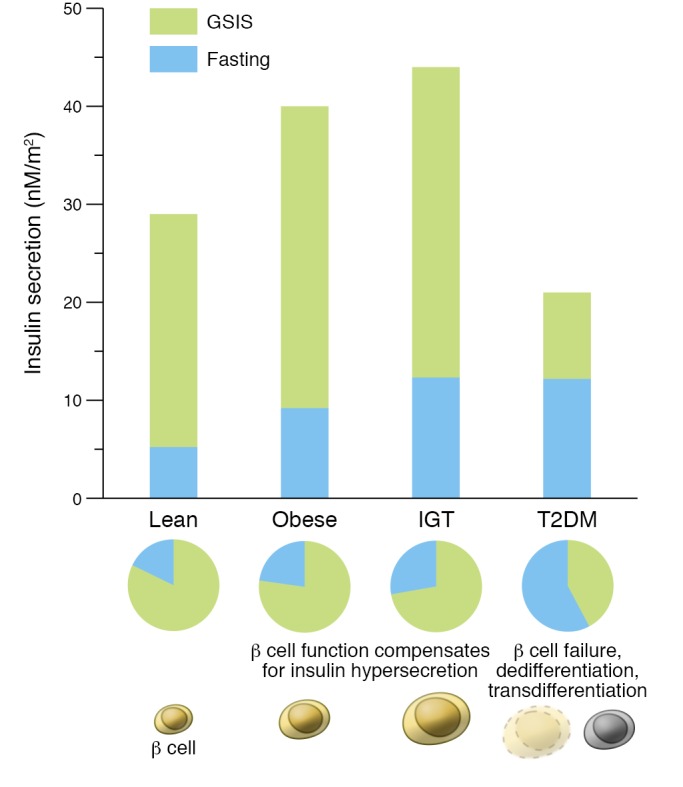
Figure 2. Fasting and glucose-stimulated insulin secretion in the progression to T2DM.
Fasting insulin secretion (blue) increases as people progress from normal glucose tolerance to T2DM; in contrast, glucose-stimulated insulin secretion (GSIS; green) represents a lower percentage of overall insulin secretion in impaired glucose tolerance (IGT) and less than half of insulin secretion in T2DM. Adapted with permission from Frontiers in Endocrinology (41) based on data in ref. .
Figure 3
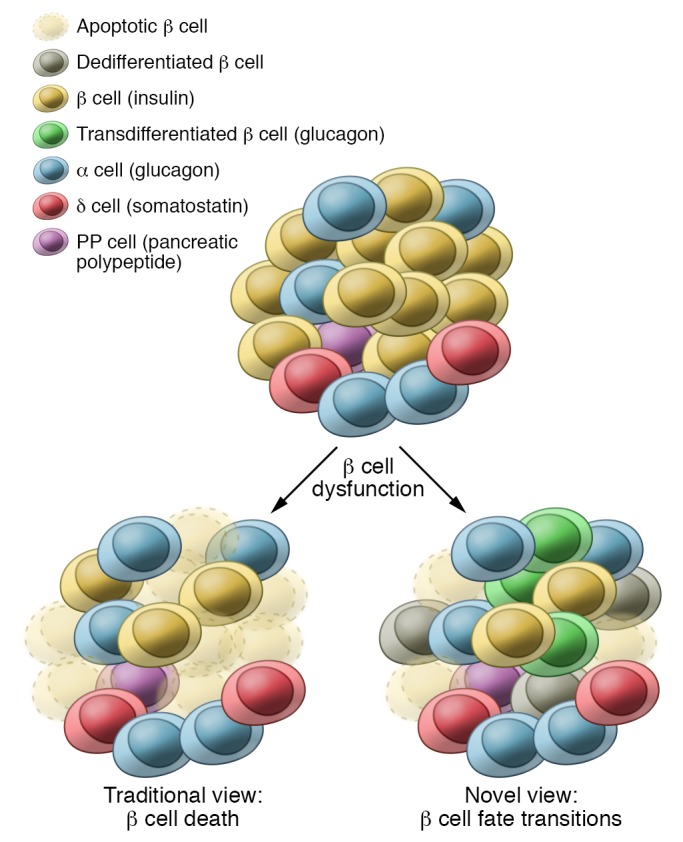
Figure 3. Fates of overexerted β cells.
Upon overexertion, in many animal models and humans, β cells initially undergo functional compensation, which can be followed by a pathogenic response. In the past, overexerted β cells were thought to predominantly undergo cell death. More recently, there has been evidence from animal models and human pancreatic tissue that β cells can respond by undergoing dedifferentiation, transdifferentiation, or β cell subtype transitions.

References

    1. Smith GI, Mittendorfer B, Klein S. Metabolically healthy obesity: facts and fantasies. J Clin Invest. 2019;129(10):3978–3989. doi: 10.1172/JCI129186. - DOI - PMC - PubMed
    1. Reaven GM. Banting Lecture 1988. Role of insulin resistance in human disease. Diabetes. 1988;37(12):1595–1607. - PubMed
    1. Reaven GM. Role of insulin resistance in human disease (syndrome X): an expanded definition. Annu Rev Med. 1993;44:121–131. - PubMed
    1. O’Neill S, O’Driscoll L. Metabolic syndrome: a closer look at the growing epidemic and its associated pathologies. Obes Rev. 2015;16(1):1–12. doi: 10.1111/obr.12229. - DOI - PubMed
    1. Lorenzo C, Okoloise M, Williams K, Stern MP, Haffner SM, San Antonio Heart Study The metabolic syndrome as predictor of type 2 diabetes: the San Antonio heart study. Diabetes Care. 2003;26(11):3153–3159. doi: 10.2337/diacare.26.11.3153. - DOI - PubMed

Publication types

MeSH terms