Using Polygenic Profiles to Predict Variation in Language and Psychosocial Outcomes in Early and Middle Childhood
- PMID: 31425657
- PMCID: PMC6808346
- DOI: 10.1044/2019_JSLHR-L-19-0001
Using Polygenic Profiles to Predict Variation in Language and Psychosocial Outcomes in Early and Middle Childhood
Abstract
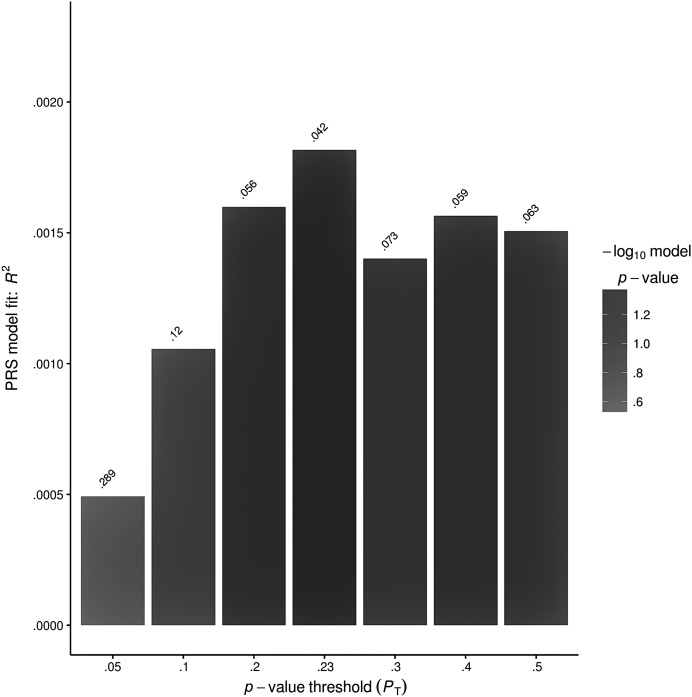
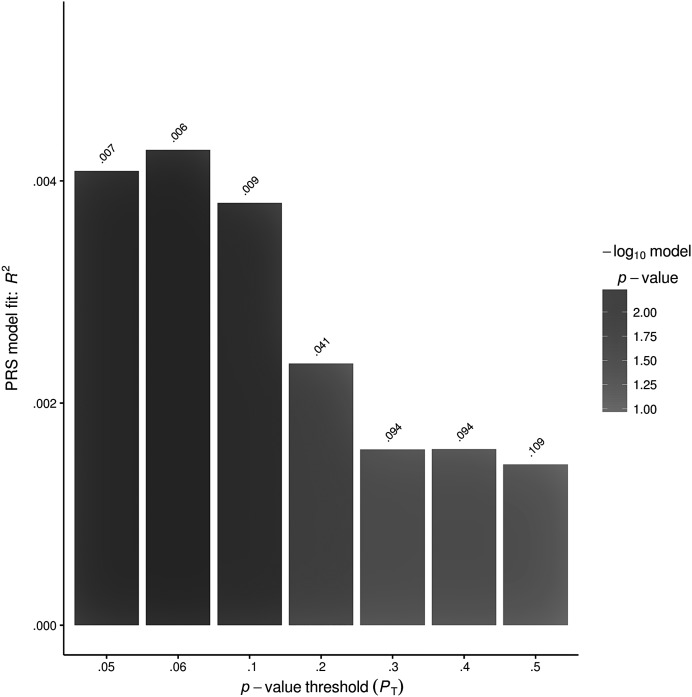
Purpose Children with poor language tend to have worse psychosocial outcomes compared to their typically developing peers. The most common explanations for such adversities focus on developmental psychological processes whereby poor language triggers psychosocial difficulties. Here, we investigate the possibility of shared biological effects by considering whether the same genetic variants, which are thought to influence language development, are also predictors of elevated psychosocial difficulties during childhood. Method Using data from the U.K.-based Avon Longitudinal Study of Parents and Children, we created a number of multi-single-nucleotide polymorphism polygenic profile scores, based on language and reading candidate genes (ATP2C2, CMIP, CNTNAP2, DCDC2, FOXP2, and KIAA0319, 1,229 single-nucleotide polymorphisms) in a sample of 5,435 children. Results A polygenic profile score for expressive language (8 years) that was created in a discovery sample (n = 2,718) predicted not only expressive language (8 years) but also peer problems (11 years) in a replication sample (n = 2,717). Conclusions These findings provide a proof of concept for the use of such a polygenic approach in child language research when larger data sets become available. Our indicative findings suggest consideration should be given to concurrent intervention targeting both linguistic and psychosocial development as early language interventions may not stave off later psychosocial difficulties in children.
Figures
References
-
- Anttila V., Bulik-Sullivan B., Finucane H. K., Walters R. K., Bras J., Duncan L., … Murray R. (2018). Analysis of shared heritability in common disorders of the brain. Science, 360(6395), eaap8757 https://doi.org/10.1126/science.aap8757 - PMC - PubMed
-
- Beitchman J. H., Wilson B., Johnson C. J., Atkinson L., Young A., Adlaf E., … Douglas L. (2001). Fourteen-year follow-up of speech/language-impaired and control children: Psychiatric outcome. Journal of the American Academy of Child & Adolescent Psychiatry, 40(1), 75–82. https://doi.org/10.1097/00004583-200101000-00019 - PubMed
-
- Belsky J. (1997). Variation in susceptibility to environmental influence: An evolutionary argument. Psychological Inquiry, 8(3), 182–186.
-
- Bishop D. V. M. (1998). Development of the Children's Communication Checklist (CCC): A method for assessing qualitative aspects of communicative impairment in children. The Journal of Child Psychology and Psychiatry, 39(6), 879–891. - PubMed
-
- Bishop D. V. M., Snowling M. J., Thompson P. A., Greenhalgh T., & CATALISE-2 Consortium. (2017). Phase 2 of CATALISE: A multinational and multidisciplinary Delphi consensus study of problems with language development: Terminology. The Journal of Child Psychology and Psychiatry, 58(10), 1068–1080. https://doi.org/10.1111/jcpp.12721 - PMC - PubMed
Publication types
MeSH terms
Grants and funding
LinkOut - more resources
Full Text Sources
Medical