


Metagenomic Insights Into the Taxonomic and Functional Features of Kinema, a Traditional Fermented Soybean Product of Sikkim Himalaya
- PMID: 31428064
- PMCID: PMC6688588
- DOI: 10.3389/fmicb.2019.01744
Metagenomic Insights Into the Taxonomic and Functional Features of Kinema, a Traditional Fermented Soybean Product of Sikkim Himalaya
Abstract
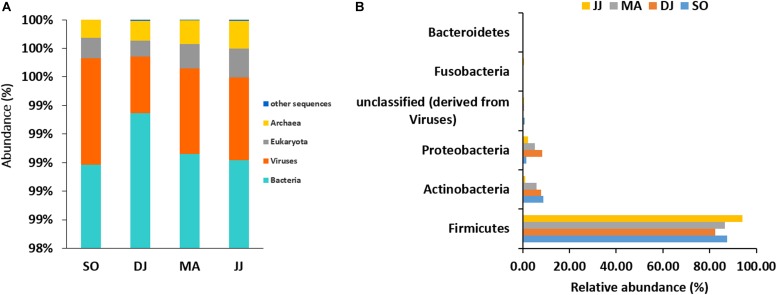
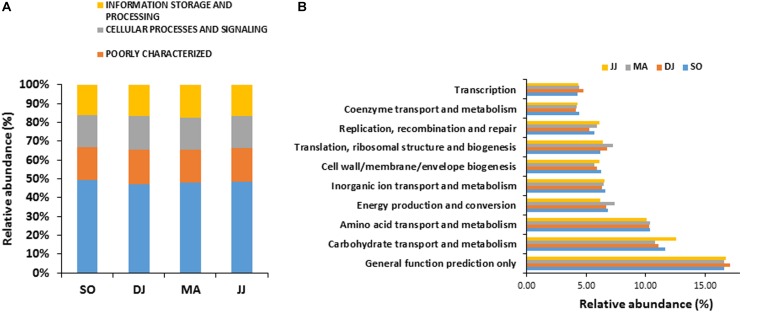
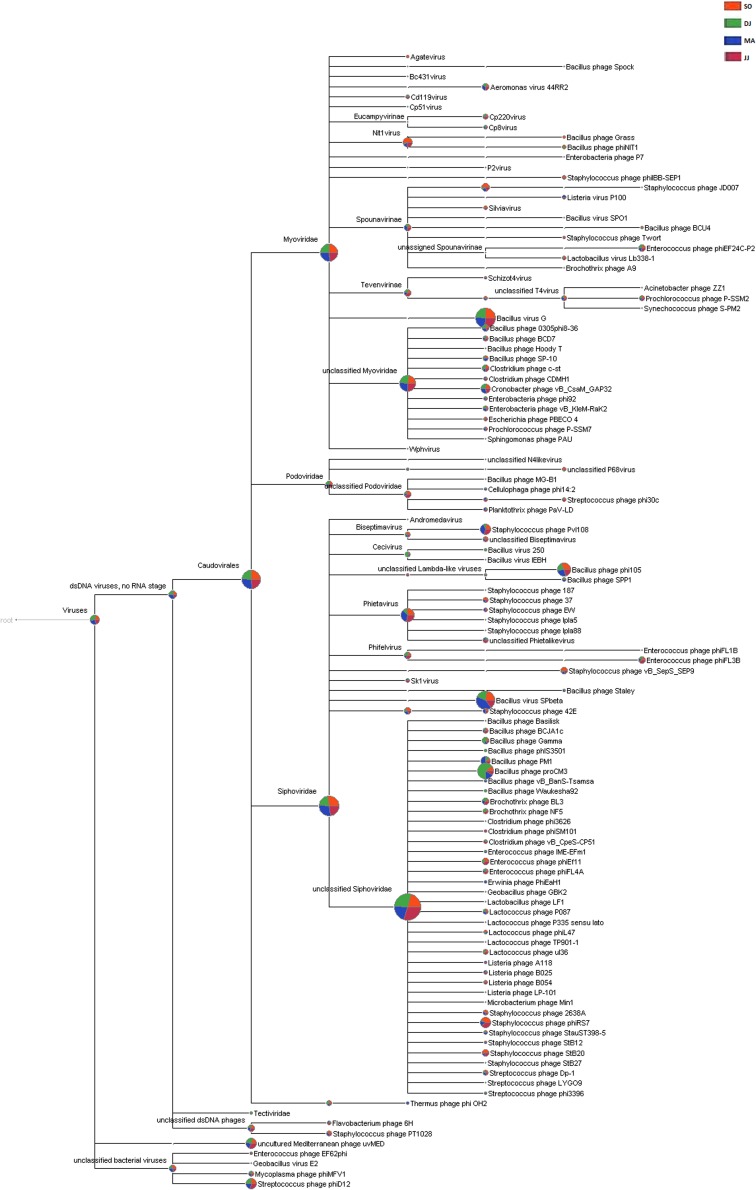
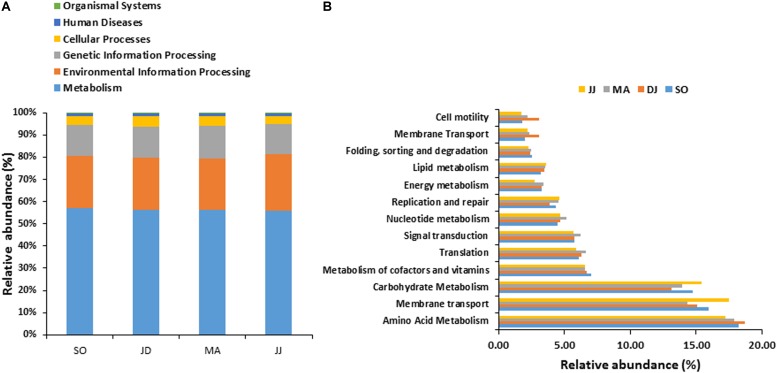
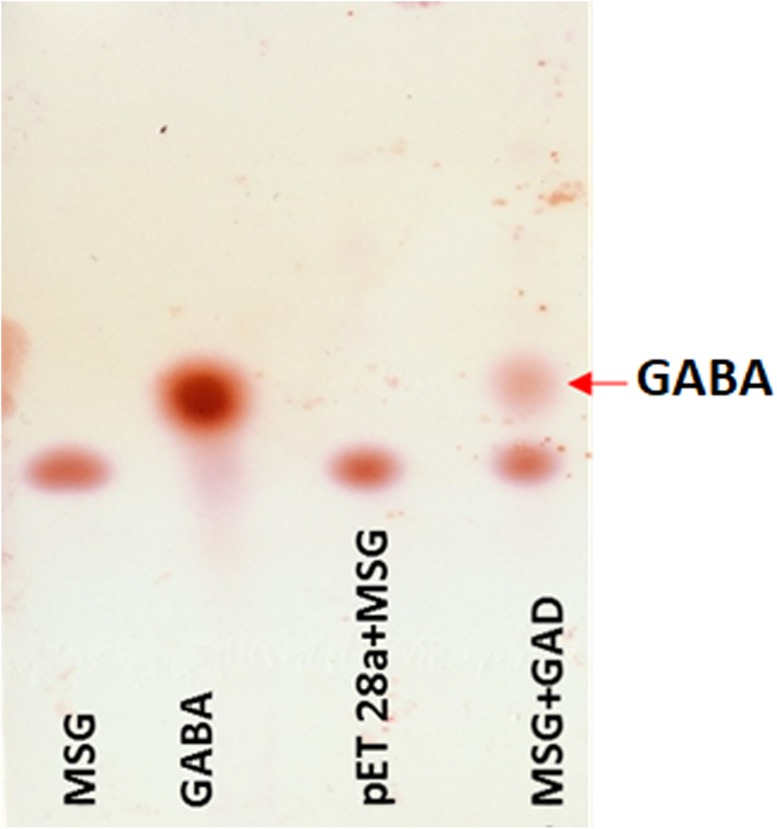
Kinema is an ethnic, naturally fermented soybean product consumed in the Sikkim Himalayan region of India. In the present study, the whole metagenome sequencing approach was adopted to examine the microbial diversity and related functional potential of Kinema, consumed in different seasons. Firmicutes was the abundant phylum in Kinema, ranging from 82.31 to 93.99% in different seasons, followed by Actinobacteria and Proteobacteria. At the species level, the prevalent microorganisms were Bacillus subtilis, Bacillus amyloliquefaciens, Bacillus licheniformis, Corynebacterium glutamicum, Bacillus pumilus, and Lactococcus lactis. The abundance of microbial species varied significantly in different seasons. Further, the genomic presence of some undesirable microbes like Bacillus cereus, Proteus mirabilis, Staphylococcus aureus, Proteus penneri, Enterococcus faecalis, and Staphylococcus saprophyticus, were also detected in the specific season. The metagenomic analysis also revealed the existence of bacteriophages belonging to the family Siphoviridae, Myoviridae, and Podoviridae. Examination of the metabolic potential of the Kinema metagenome depicted information about the biocatalysts, presumably involved in the transformation of protein and carbohydrate polymers into bioactive molecules of health-beneficial effects. The genomic resource of several desirable enzymes was identified, such as β-galactosidase, β-glucosidase, β-xylosidase, and glutamate decarboxylase, etc. The catalytic function of a novel glutamate decarboxylase gene was validated for the biosynthesis of γ-aminobutyric acid (GABA). The results of the present study highlight the microbial and genomic resources associated with Kinema, and its importance in functional food industry.
Keywords: Kinema; fermented food; functional food; functional potential; metagenome; soybean; taxonomic profiling.
Figures
References
-
- Bursy J., Kuhlmann A. U., Pittelkow M., Hartmann H., Jebbar M., Pierik A. J., et al. (2008). Synthesis and uptake of the compatible solutes ectoine and 5-hydroxyectoine by Streptomyces coelicolor A3 (2) in response to salt and heat stresses. Appl. Environ. Microbiol. 74 7286–7296. 10.1128/AEM.00768-08 - DOI - PMC - PubMed
LinkOut - more resources
Full Text Sources
