


Neurometabolic Evidence Supporting the Hypothesis of Increased Incidence of Type 3 Diabetes Mellitus in the 21st Century
- PMID: 31428627
- PMCID: PMC6679855
- DOI: 10.1155/2019/1435276
Neurometabolic Evidence Supporting the Hypothesis of Increased Incidence of Type 3 Diabetes Mellitus in the 21st Century
Abstract
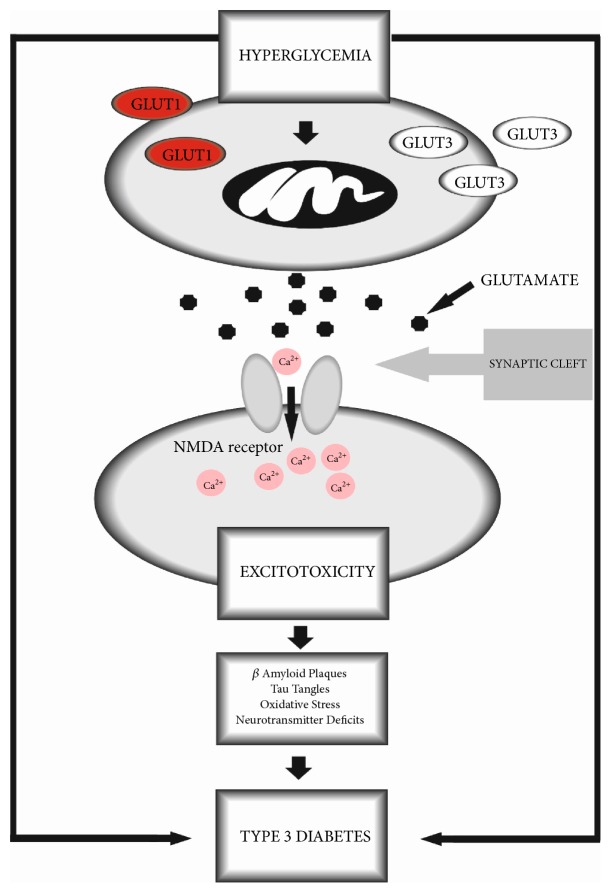
The most recent evidence supports the existence of a link between type 2 diabetes (T2DM) and Alzheimer's Disease (AD), described by the new term: type 3 diabetes (T3D). The increasing incidence of T2DM in the 21st century and accompanying reports on the higher risk of AD in diabetic patients prompts the search for pathways linking glycemia disturbances and neurodegeneration. It is suggested that hyperglycemia may lead to glutamate-induced excitotoxicity, a pathological process resulting from excessive depolarization of membrane and uncontrolled calcium ion influx into neuronal cells. On the other hand, it has been confirmed that peripheral insulin resistance triggers insulin resistance in the brain, which may consequently contribute to AD by amyloid beta accumulation, tau phosphorylation, oxidative stress, advanced glycation end products, and apoptosis. Some literature sources suggest significant amylin involvement in additional amyloid formation in the central nervous system, especially under hyperamylinemic conditions. It is particularly important to provide early diagnostics in people with metabolic disturbances, especially including fasting insulin and HOMA-IR, which are necessary to reveal insulin resistance. The present review reveals the most recent and important evidence associated with the phenomenon of T3D and discusses the potential lacks of prevention and diagnostics for diabetes which might result in neurometabolic disorders, from a pharmacotherapy perspective.
Conflict of interest statement
The authors declare no conflicts of interest.
Figures
References
-
- Centers of disease control and prevention. 2019, https://www.cdc.gov/diabetes/pdfs/data/statistics/national-diabetes-stat....
Publication types
MeSH terms
Substances
LinkOut - more resources
Full Text Sources
Medical
