


RTMS parameters in tinnitus trials: a systematic review
- PMID: 31434985
- PMCID: PMC6704094
- DOI: 10.1038/s41598-019-48750-9
RTMS parameters in tinnitus trials: a systematic review
Abstract
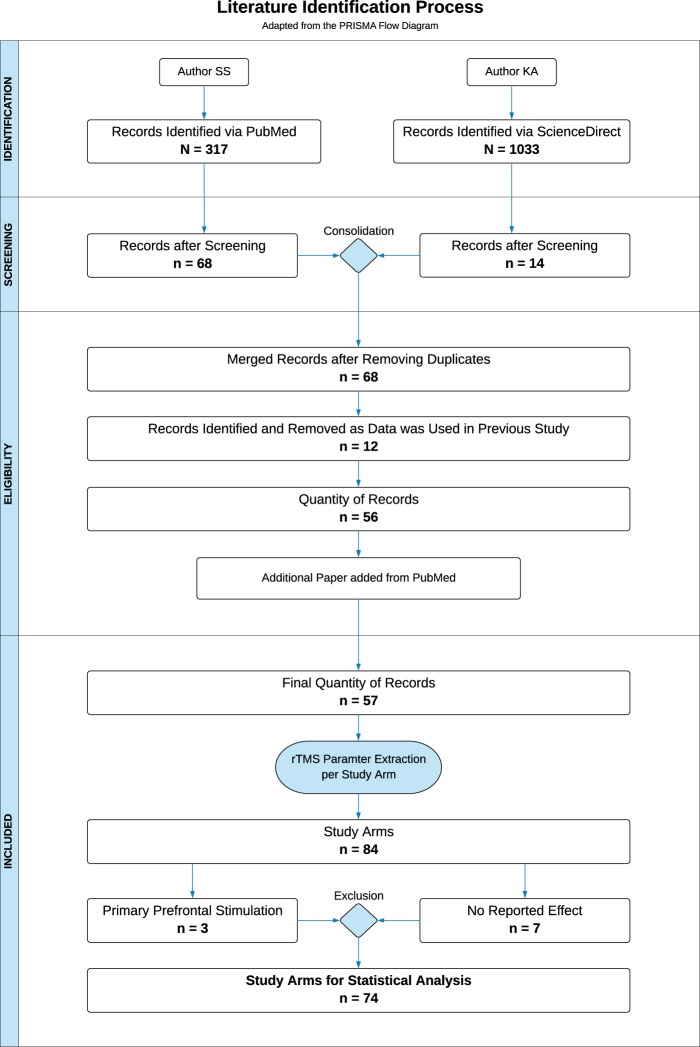
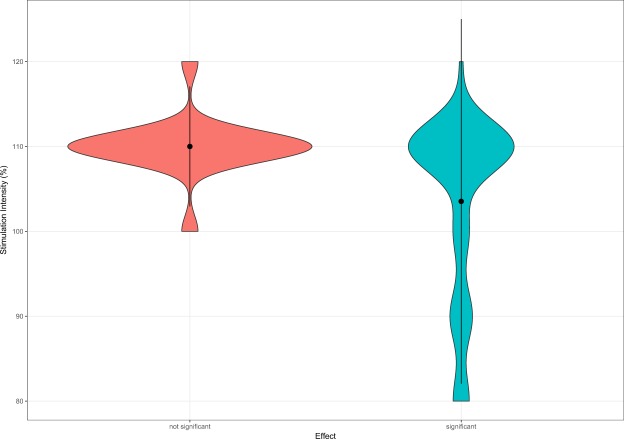
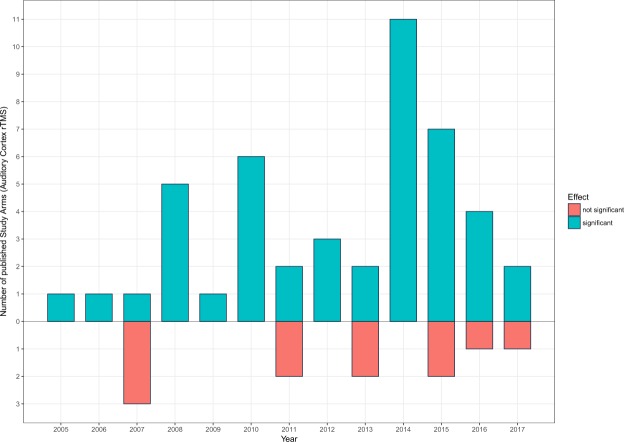
Over the past few years extensive body of research was produced investigating the effects of repetitive transcranial magnetic stimulation (rTMS) for the treatment of chronic tinnitus with heterogeneous results. This heterogeneity is exemplified by two recently published large-scale clinical trials reporting different outcomes. Technical aspects of rTMS were suspected as a potential source for this incongruency. The aim of this systematic review is to examine the overall efficacy as well as to identify possible technical factors relevant for the effectiveness of rTMS tinnitus trials. Via a literature search appropriate original research papers were identified and rTMS parameters were extracted from each study arm for subsequent statistical analysis with respect to observed effects (significant vs. not significant pre-post rTMS effects). Our findings indicate that verum rTMS is superior to sham rTMS as demonstrated by the proportion of significant pre-post contrasts. Some relevant rTMS parameters (e.g., pulse waveform) are not reported. Lower rTMS stimulation intensity was associated with significant effects in verum rTMS arms. An additional stimulation of the DLPFC to the temporal cortex was not found to promote efficacy. Future research should consider differential effects of rTMS induced by technical parameters and strive for an exhaustive reporting of relevant rTMS parameters.
Conflict of interest statement
The authors declare that they have no conflict of interest associated with this publication and there has been no significant financial or non-financial support that could have influenced its outcome.
Figures
References
Publication types
MeSH terms
LinkOut - more resources
Full Text Sources
Medical
Miscellaneous
