


Using a miniaturized double-net trap (DN-Mini) to assess relationships between indoor-outdoor biting preferences and physiological ages of two malaria vectors, Anopheles arabiensis and Anopheles funestus
- PMID: 31438957
- PMCID: PMC6704488
- DOI: 10.1186/s12936-019-2913-9
Using a miniaturized double-net trap (DN-Mini) to assess relationships between indoor-outdoor biting preferences and physiological ages of two malaria vectors, Anopheles arabiensis and Anopheles funestus
Abstract
Background: Effective malaria surveillance requires detailed assessments of mosquitoes biting indoors, where interventions such as insecticide-treated nets work best, and outdoors, where other interventions may be required. Such assessments often involve volunteers exposing their legs to attract mosquitoes [i.e., human landing catches (HLC)], a procedure with significant safety and ethical concerns. Here, an exposure-free, miniaturized, double-net trap (DN-Mini) is used to assess relationships between indoor-outdoor biting preferences of malaria vectors, Anopheles arabiensis and Anopheles funestus, and their physiological ages (approximated by parity and insemination states).
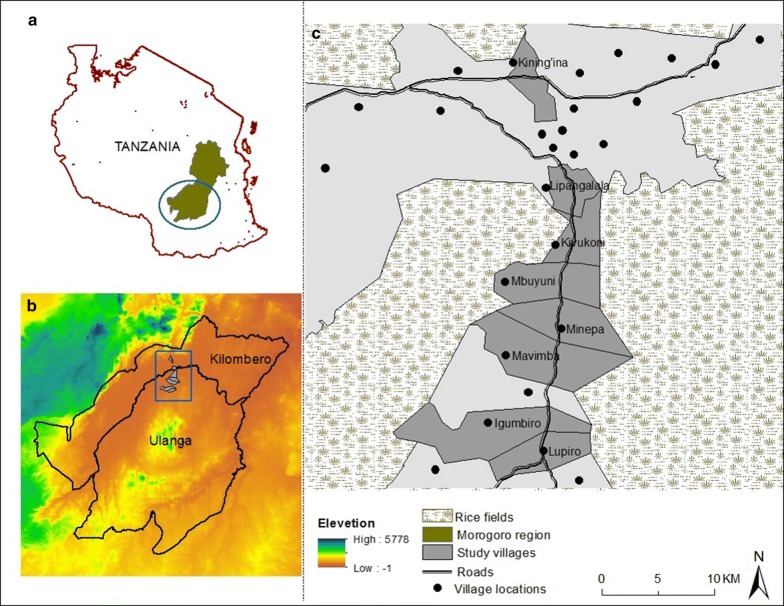
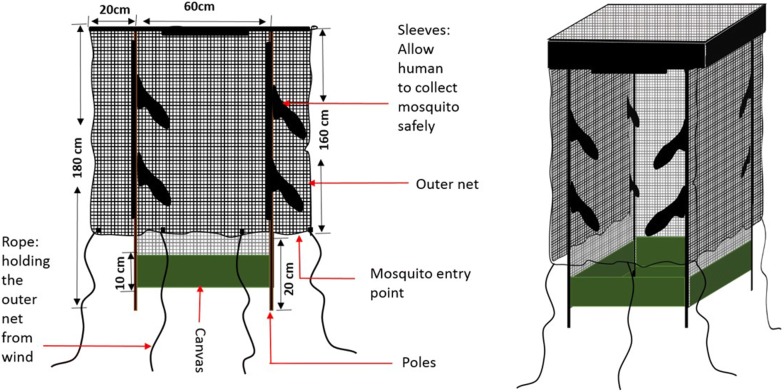
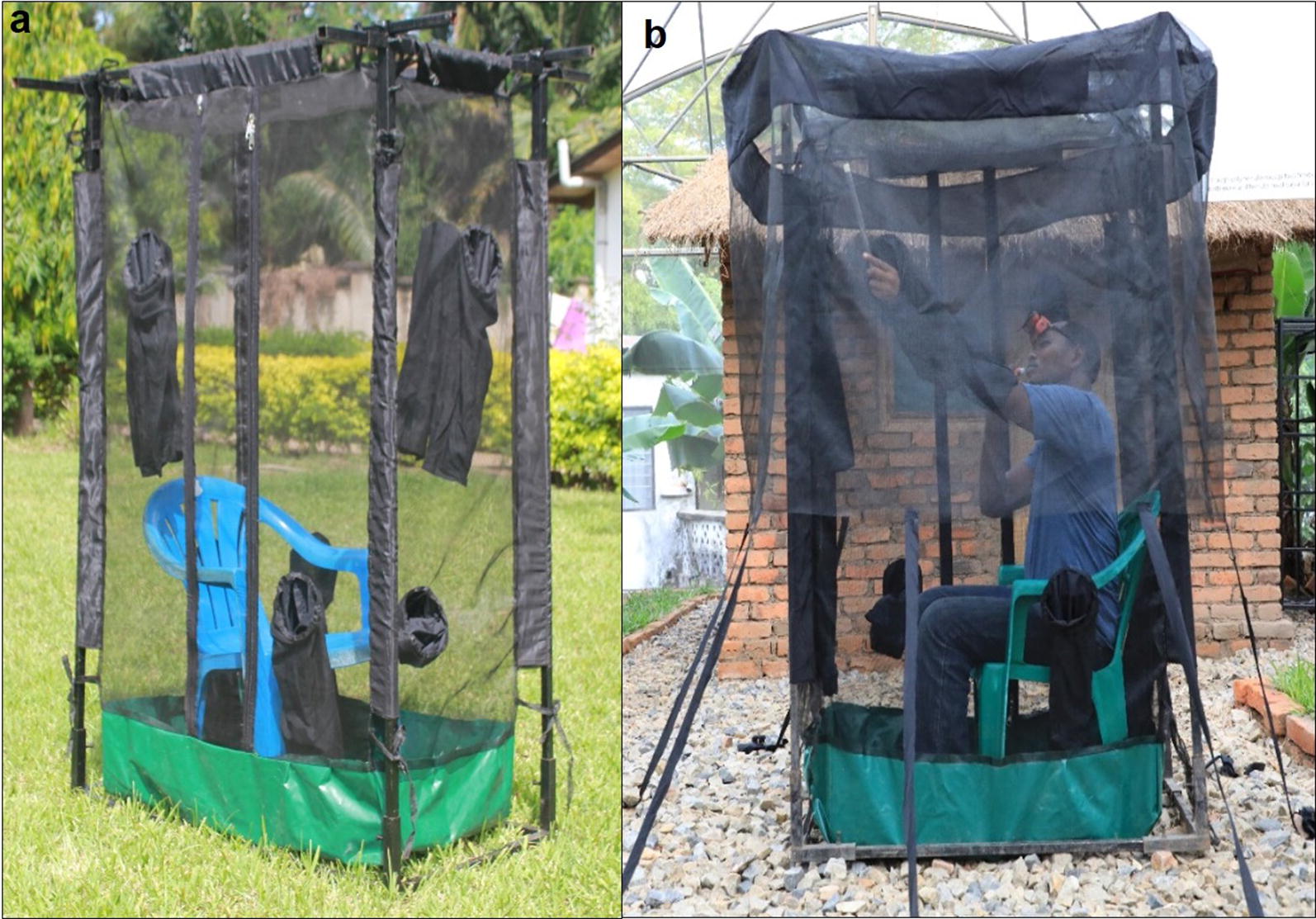
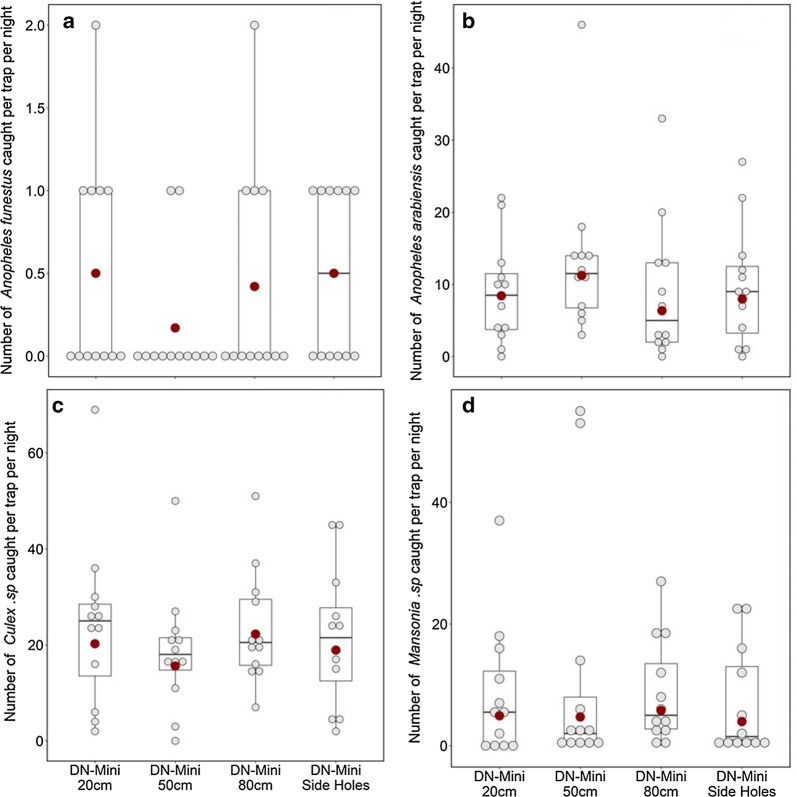
Methods: The DN-Mini is made of UV-resistant netting on a wooden frame and PVC base. At 100 cm × 60 cm × 180 cm, it fits indoors and outdoors. It has a protective inner chamber where a volunteer sits and collects host-seeking mosquitoes entrapped in an outer chamber. Experiments were conducted in eight Tanzanian villages using DN-Mini to: (a) estimate nightly biting and hourly biting proportions of mosquitoes indoors and outdoors; (b) compare these proportions to previous estimates by HLC in same villages; and, (c) compare distribution of parous (proxy for potentially infectious) and inseminated mosquitoes indoors and outdoors.
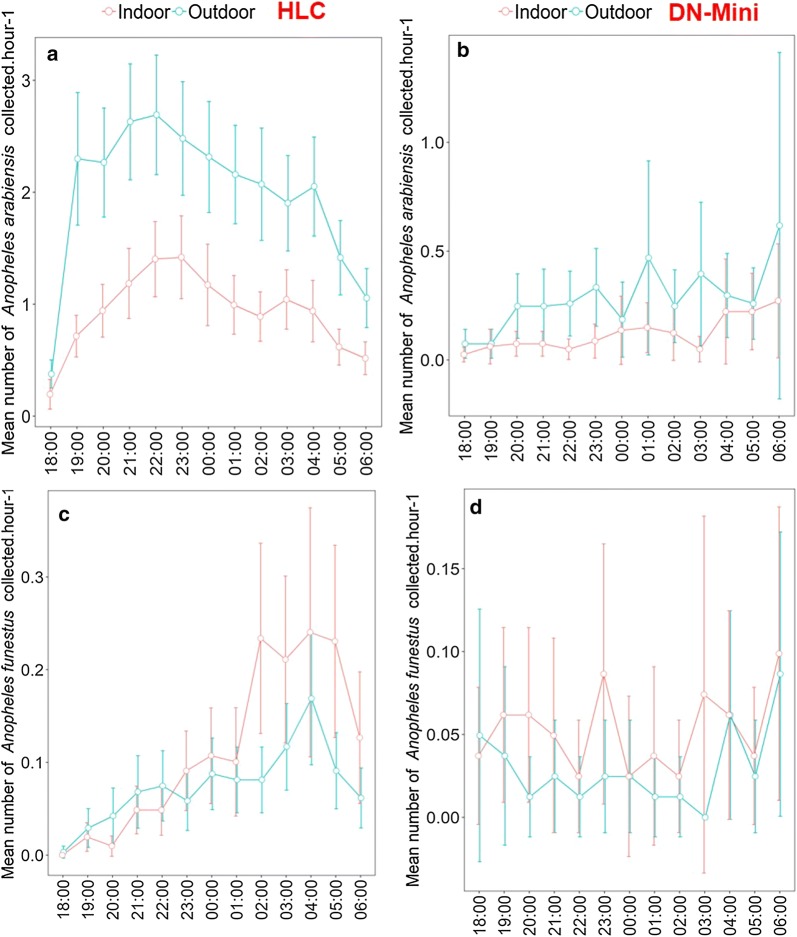
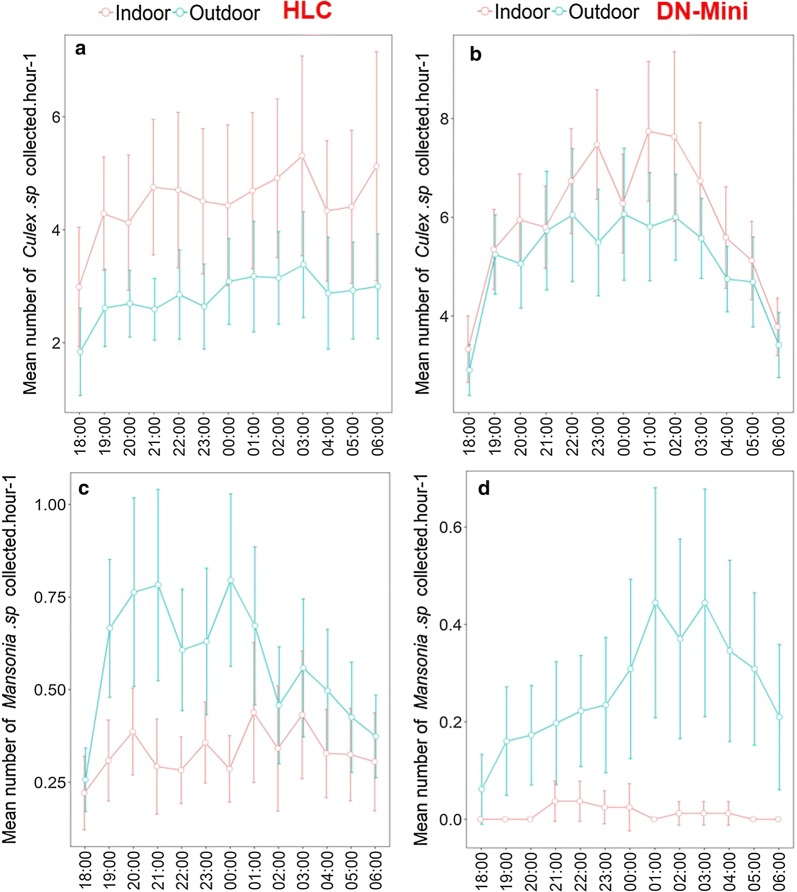
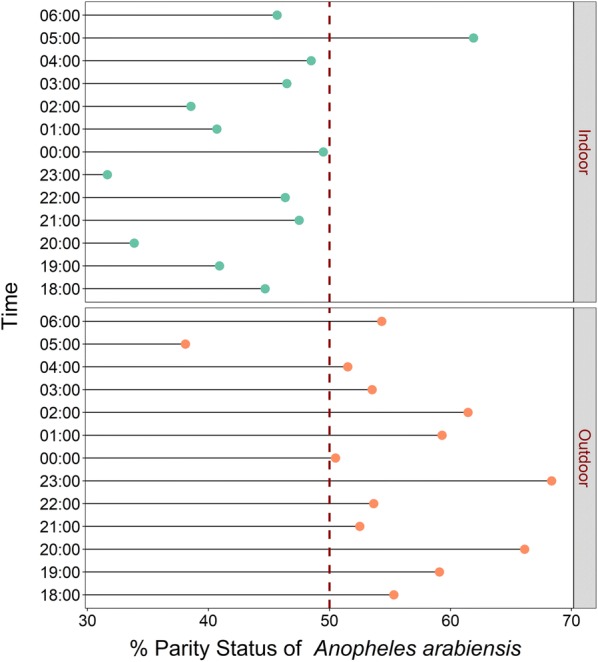
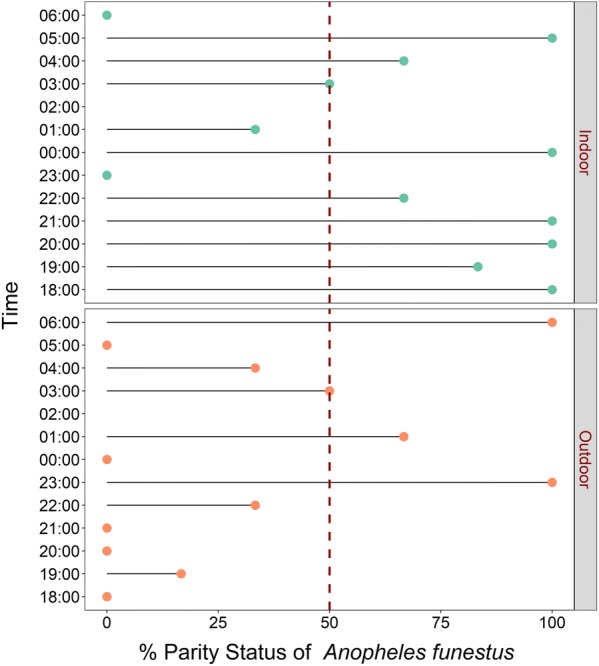
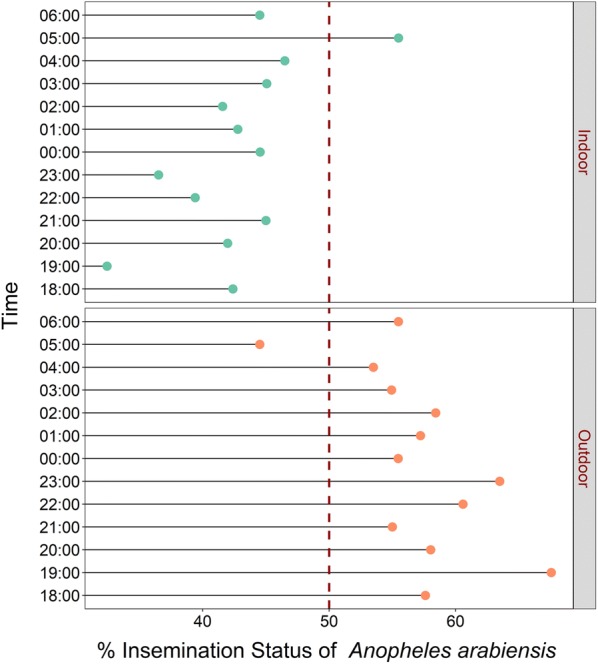
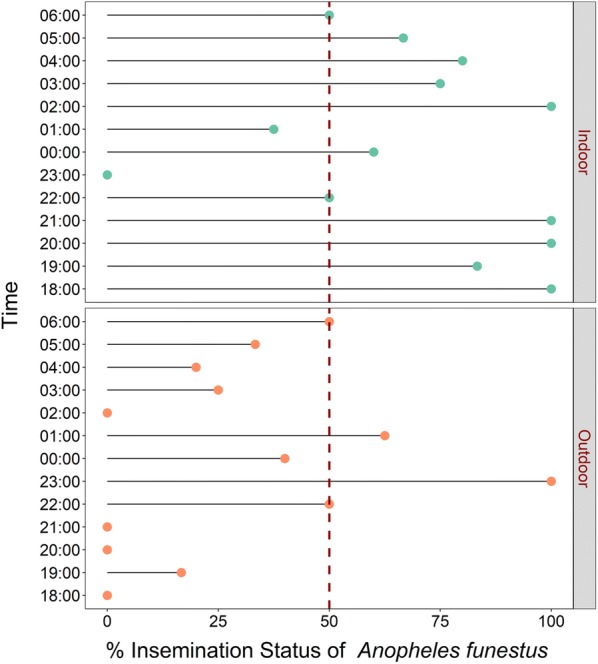
Results: More than twice as many An. arabiensis were caught outdoors as indoors (p < 0.001), while An. funestus catches were marginally higher indoors than outdoors (p = 0.201). Anopheles arabiensis caught outdoors also had higher parity and insemination proportions than those indoors (p < 0.001), while An. funestus indoors had higher parity and insemination than those outdoors (p = 0.04). Observations of indoor-biting and outdoor-biting proportions, hourly biting patterns and overall species diversities as measured by DN-Mini, matched previous HLC estimates.
Conclusions: Malaria vectors that are behaviourally adapted to bite humans outdoors also have their older, potentially infectious sub-populations concentrated outdoors, while those adapted to bite indoors have their older sub-populations concentrated indoors. Here, potentially infectious An. arabiensis more likely bite outdoors than indoors, while potentially infectious An. funestus more likely bite indoors. These observations validate previous evidence that even outdoor-biting mosquitoes regularly enter houses when young. They also demonstrate efficacy of DN-Mini for measuring indoor-outdoor biting behaviours of mosquitoes, their hourly biting patterns and epidemiologically relevant parameters, e.g., parity and insemination status, without exposure to volunteers. The trap is easy-to-use, easy-to-manufacture and affordable (prototypes cost ~ 100 US$/unit).
Keywords: DN-Mini trap; Human landing catch (HLC); Ifakara; Inseminated mosquitoes; Mosquito surveillance; Outdoor-biting; Parous mosquitoes; Residual malaria transmission.
Conflict of interest statement
The authors declare that they have no competing interests.
Figures
References
-
- WHO. World Malaria Report 2018. Geneva: World Health Organization; 2018. https://www.who.int/malaria/publications/world-malaria-report-2018/en/. Accessed Apr 2019.
MeSH terms
Grants and funding
LinkOut - more resources
Full Text Sources
