Review
. 2019 Aug 23;17(9):491.
doi: 10.3390/md17090491.

Marine Natural Products: A Source of Novel Anticancer Drugs

Affiliations
Review

Marine Natural Products: A Source of Novel Anticancer Drugs

Shaden A M Khalifa et al. Mar Drugs. .

Abstract

Cancer remains one of the most lethal diseases worldwide. There is an urgent need for new drugs with novel modes of action and thus considerable research has been conducted for new anticancer drugs from natural sources, especially plants, microbes and marine organisms. Marine populations represent reservoirs of novel bioactive metabolites with diverse groups of chemical structures. This review highlights the impact of marine organisms, with particular emphasis on marine plants, algae, bacteria, actinomycetes, fungi, sponges and soft corals. Anti-cancer effects of marine natural products in in vitro and in vivo studies were first introduced; their activity in the prevention of tumor formation and the related compound-induced apoptosis and cytotoxicities were tackled. The possible molecular mechanisms behind the biological effects are also presented. The review highlights the diversity of marine organisms, novel chemical structures, and chemical property space. Finally, therapeutic strategies and the present use of marine-derived components, its future direction and limitations are discussed.

Keywords: anticancer; antitumor; clinical trials; cytotoxic; drugs; marine; microorganism; plants.


Conflict of interest statement

All authors declare that they have no conflict of interest.

Figures
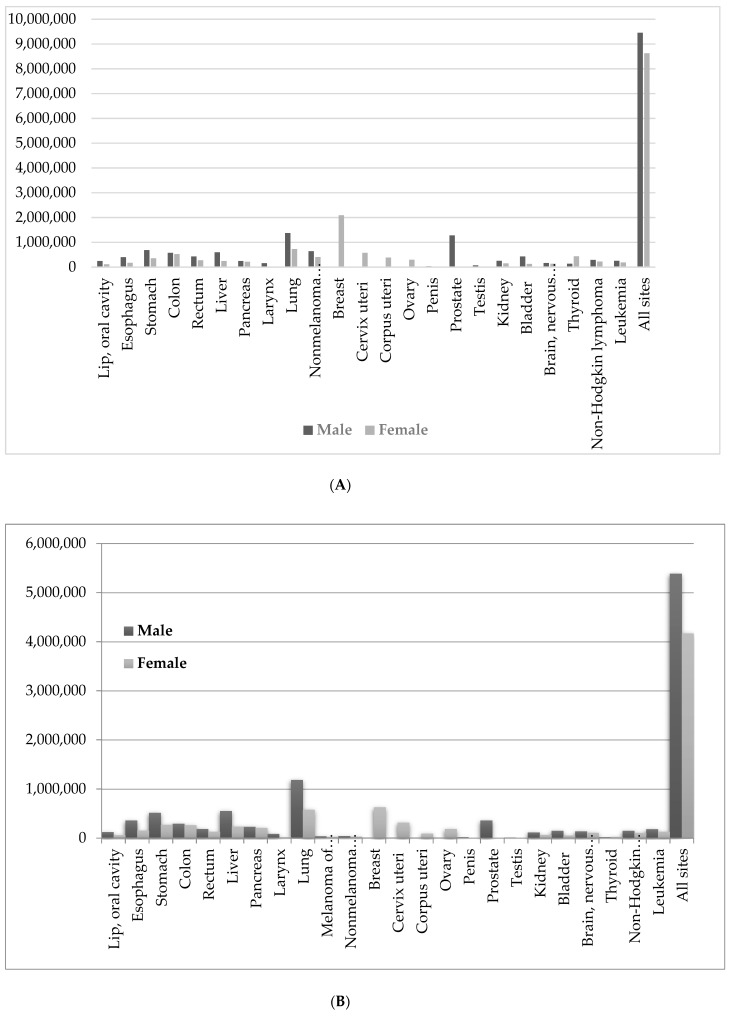
Figure 1
Figure 1
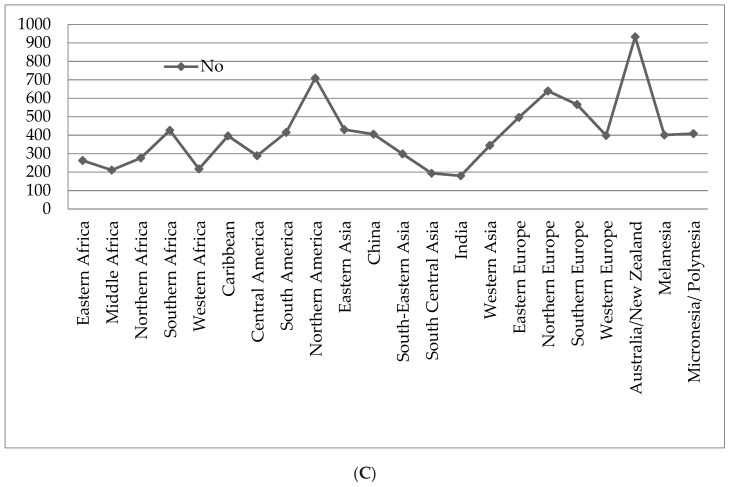
(A) Estimated new cancer cases in the worldwide based on Global Cancer (GLOBOCAN)2018. (B) Estimated cancer death in the worldwide based on GLOBOCAN 2018. (C) Estimated number of new cancer cases in different world areas based on GLOBOCAN 2018.
Figure 1
Figure 1
(A) Estimated new cancer cases in the worldwide based on Global Cancer (GLOBOCAN)2018. (B) Estimated cancer death in the worldwide based on GLOBOCAN 2018. (C) Estimated number of new cancer cases in different world areas based on GLOBOCAN 2018.
Figure 2
Figure 2
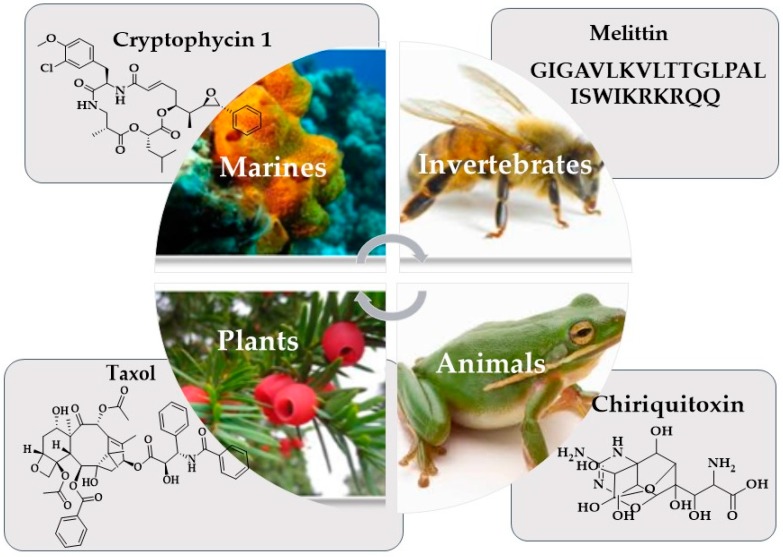
Natural sources for cancer control.
Figure 3
Figure 3
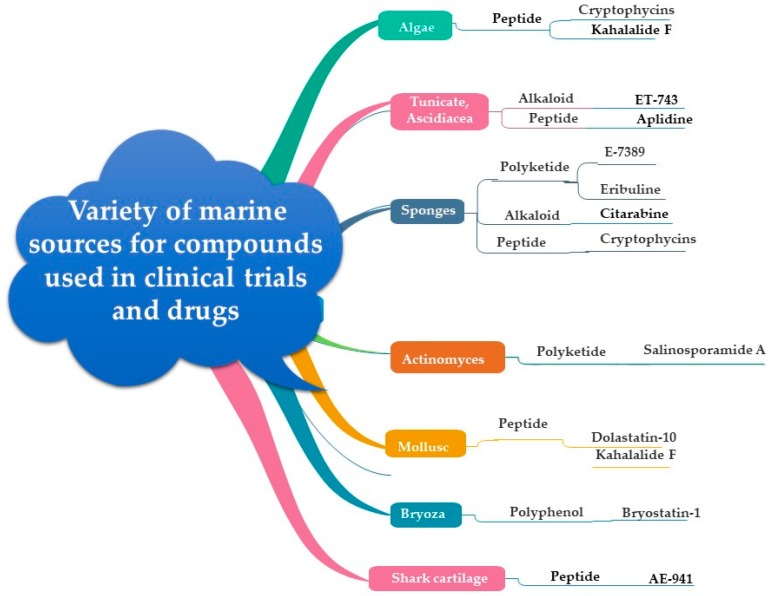
Marine drugs and compounds used in clinical trials, its sources and chemical classes.
Figure 4
Figure 4
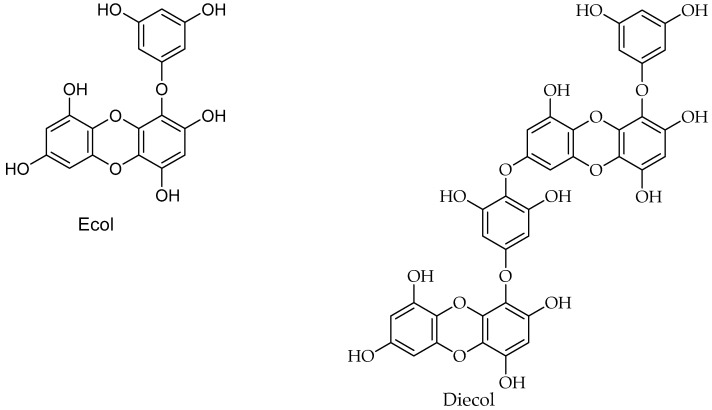
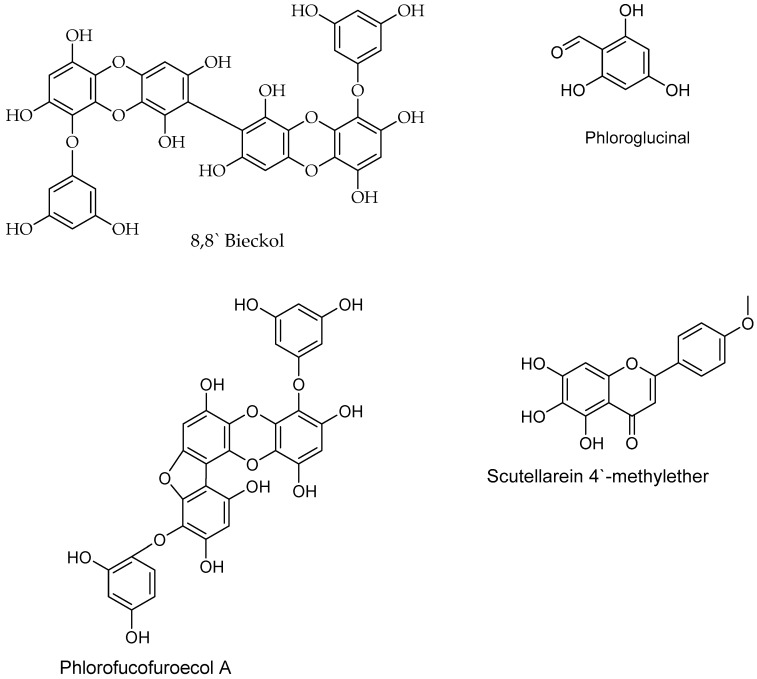
Polyphenolic anti-cancer compounds of marine organisms.
Figure 4
Figure 4
Polyphenolic anti-cancer compounds of marine organisms.
Figure 5
Figure 5
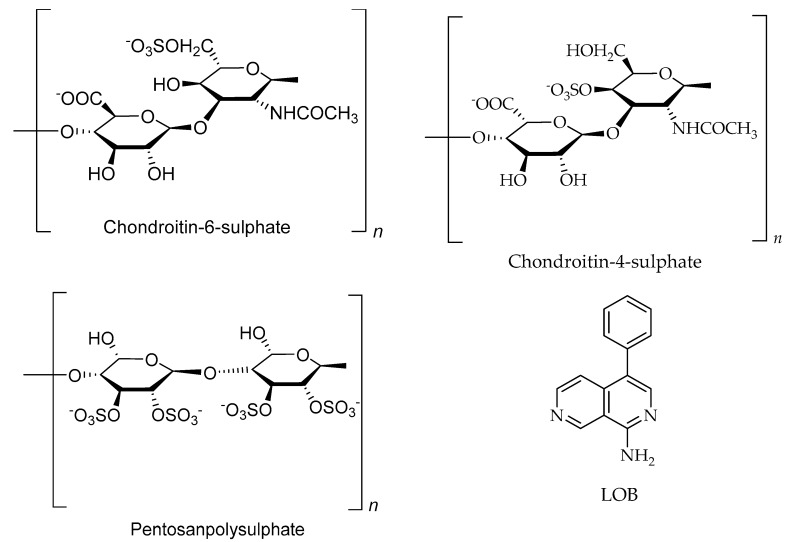
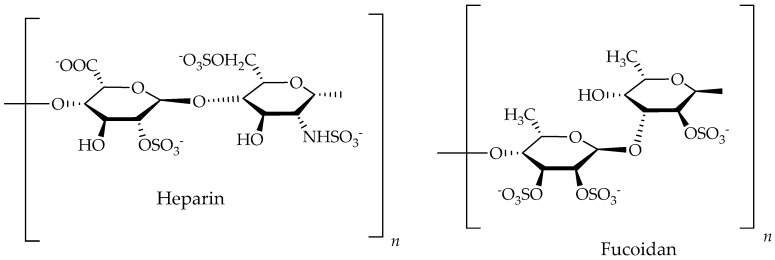
Polysaccharides of marine organisms against cancer.
Figure 5
Figure 5
Polysaccharides of marine organisms against cancer.
Figure 6
Figure 6
Alkaloids from marine organisms for anticancer.
Figure 7
Figure 7
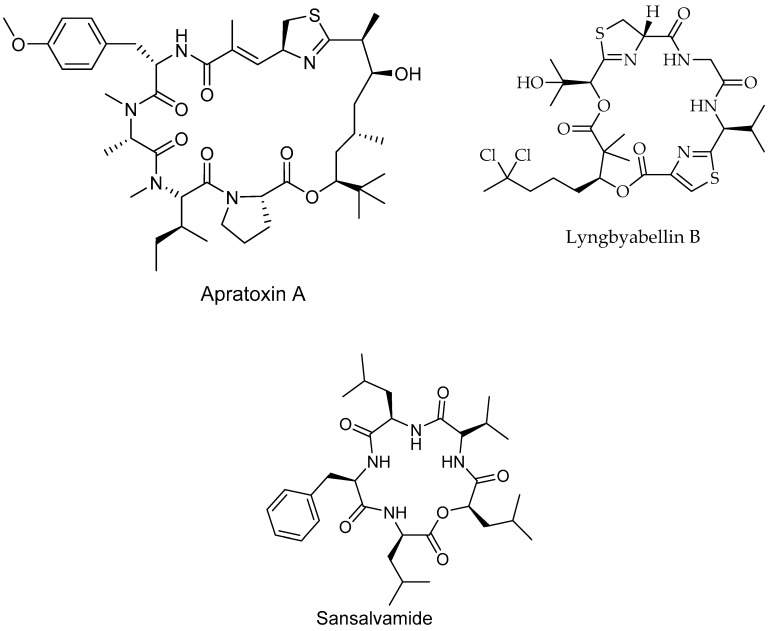
Anticancer peptides from marine organisms.
Figure 8
Figure 8
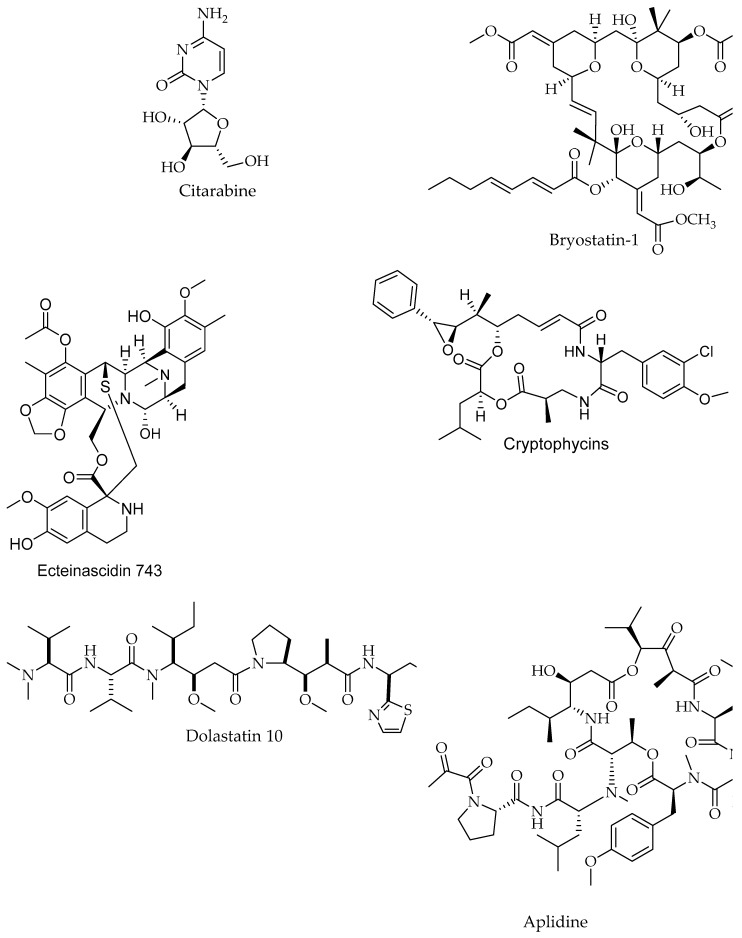
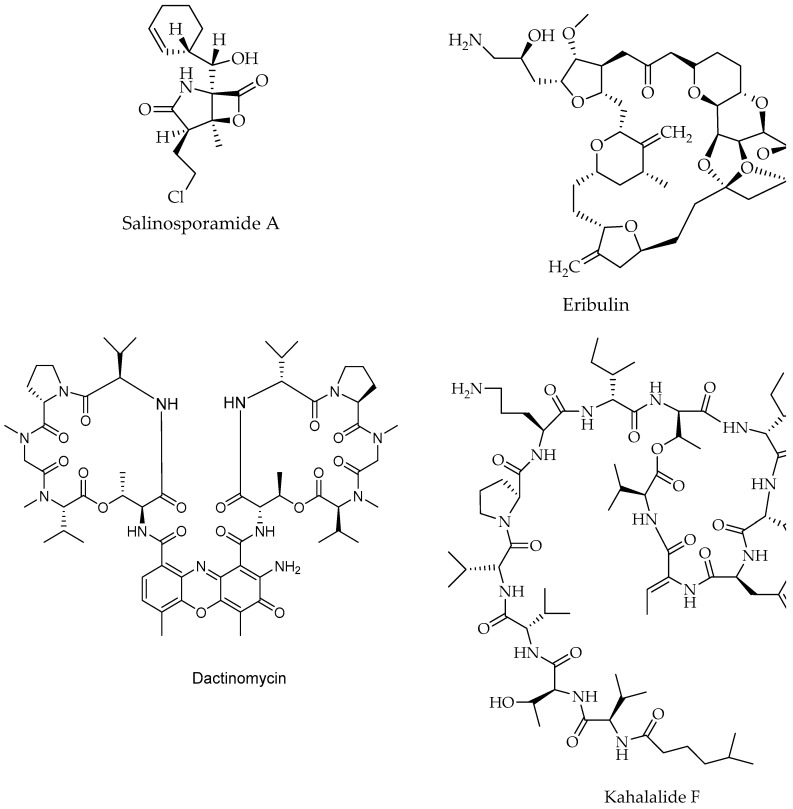
Clinical compounds and drugs from marine organisms used in cancer treatment.
Figure 8
Figure 8
Clinical compounds and drugs from marine organisms used in cancer treatment.
Figure 9
Figure 9
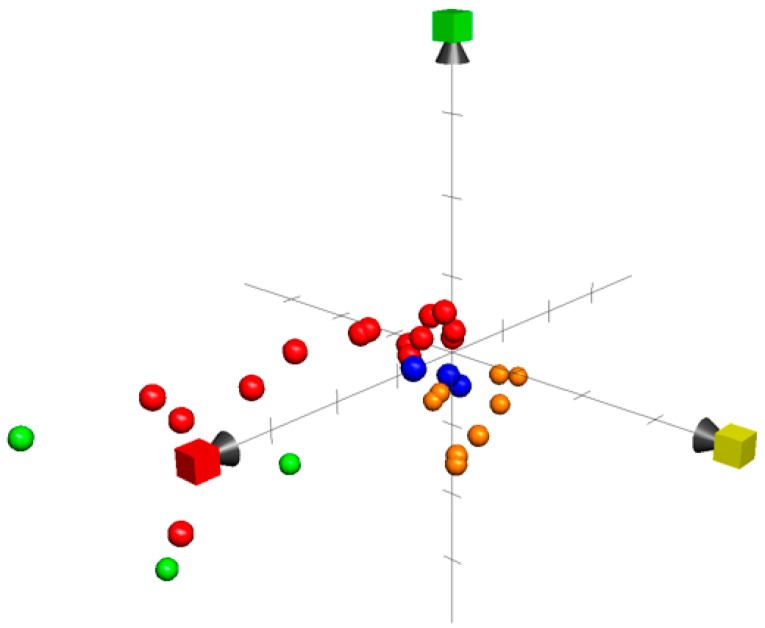
Marine compounds plotted as red, orange, green and blue spheres indicating peptide, polyphenols, polysaccharides and alkaloids respectively. PCs; the red box indicates, PC1, the yellow box indicates, PC2, and the green box indicates, PC3.

References

    1. Bray F., Ferlay J., Soerjomataram I., Siegel R.L., Torre L.A., Jemal A. Global cancer statistics 2018: GLOBOCAN estimates of incidence and mortality worldwide for 36 cancers in 185 countries. CA A Cancer J. Clin. 2018;68:394–424. doi: 10.3322/caac.21492. - DOI - PubMed
    1. White M.C., Holman D.M., Boehm J.E., Peipins L.A., Grossman M., Henley S.J. Age and cancer risk: A potentially modifiable relationship. Am. J. Prev. Med. 2014;46:S7–S15. doi: 10.1016/j.amepre.2013.10.029. - DOI - PMC - PubMed
    1. Gurib-Fakim A. Medicinal plants: Traditions of yesterday and drugs of tomorrow. Mol. Asp. Med. 2006;27:93. doi: 10.1016/j.mam.2005.07.008. - DOI - PubMed
    1. Ramsay R.R., Popovic-Nikolic M.R., Nikolic K., Uliassi E., Bolognesi M.L. A perspective on multi-target drug discovery and design for complex diseases. Clin. Transl. Med. 2018;7:3. doi: 10.1186/s40169-017-0181-2. - DOI - PMC - PubMed
    1. Garattini S., La Vecchia C. Perspectives in cancer chemotherapy. Eur. J. Cancer. 2001;37:128–147. doi: 10.1016/S0959-8049(01)00265-9. - DOI - PubMed

MeSH terms

LinkOut - more resources