


Phytochemical Characteristics and Antimicrobial Activity of Australian Grown Garlic (Allium Sativum L.) Cultivars
- PMID: 31450776
- PMCID: PMC6770571
- DOI: 10.3390/foods8090358
Phytochemical Characteristics and Antimicrobial Activity of Australian Grown Garlic (Allium Sativum L.) Cultivars
Abstract
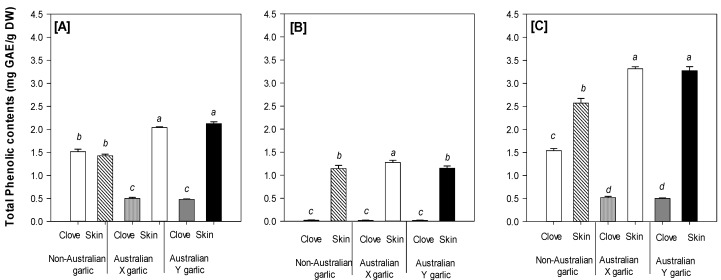
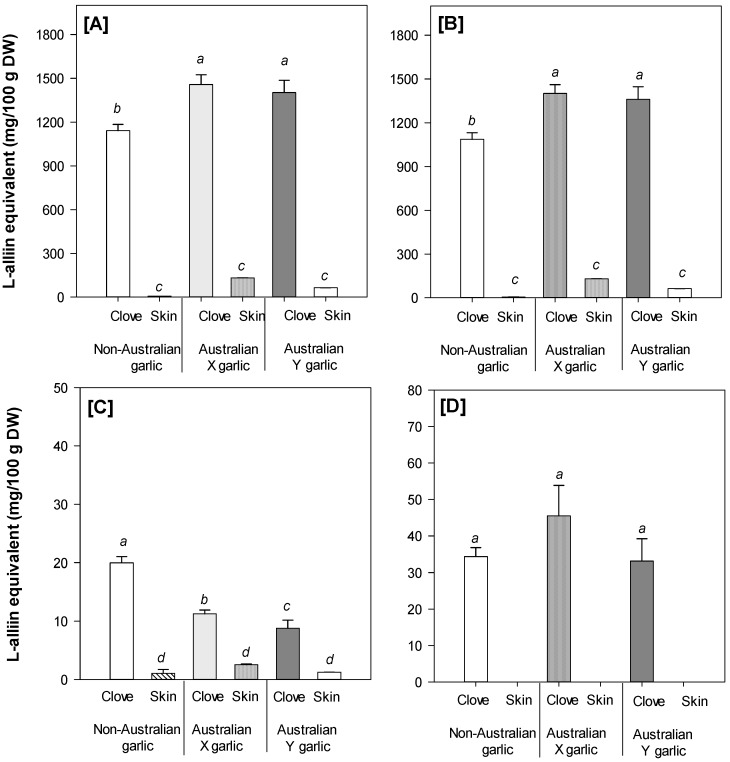
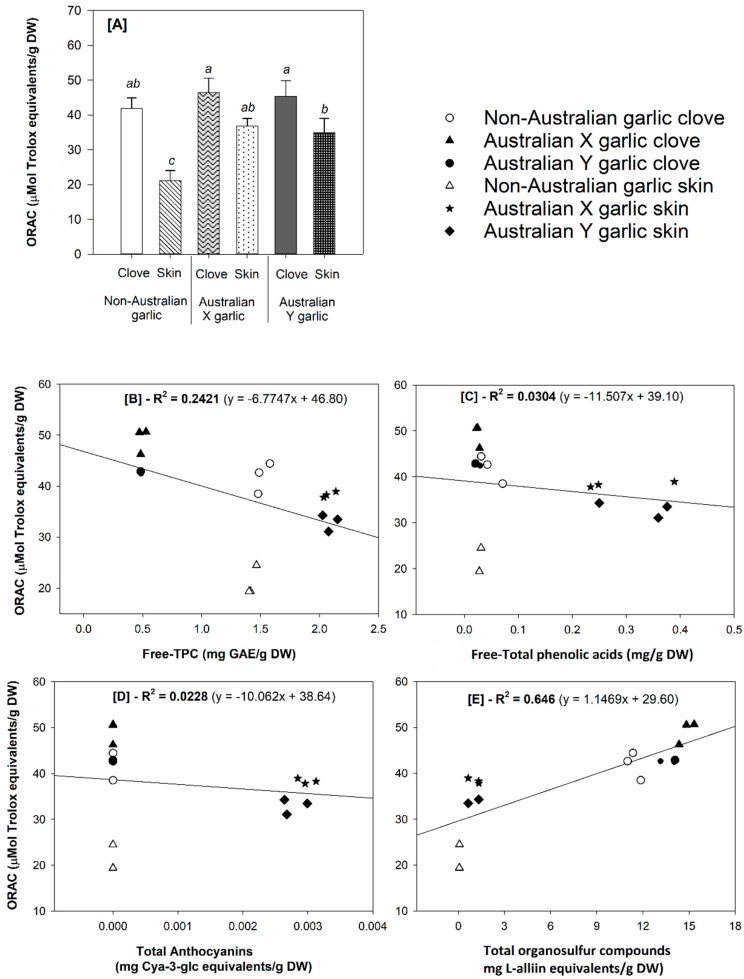
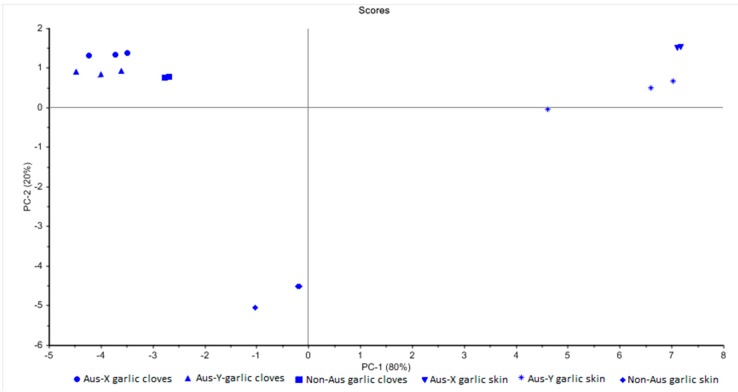
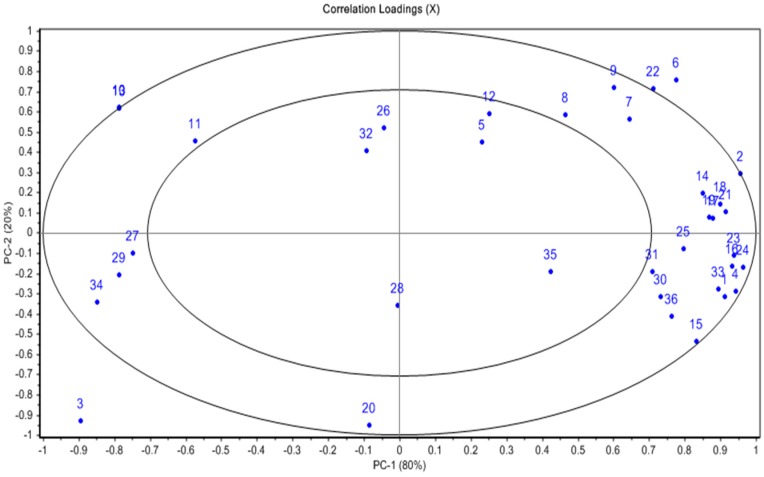
This study systematically evaluated the main bioactive compounds and associated biological properties of two Australian grown garlic cultivars and commercial non-Australian grown garlic (for comparison purposes only). Additionally, the distribution of bioactive compounds in garlic skin and clove samples was determined to obtain a better understanding of the potential biological functionality of the different garlic parts. The identification and quantification of bioactive compounds was performed by ultra-high performance liquid chromatography with mass spectrometry and photodiode array detection (UHPLC-PDA-MS). A principal component analysis was applied to assess the correlation between the determined bioactive compounds and antioxidant capacity as well as antimicrobial activity. The content of phenolic compounds (free and bound forms) in the garlic skin samples was significantly (p < 0.05) higher than that of the garlic cloves, and was also higher (p < 0.05) in the Australian grown cultivars compared to the commercial non-Australian grown garlic. Anthocyanins were found in the skin samples of the Australian grown garlic cultivars. The organosulfur compounds were higher (p < 0.05) in the cloves compared to the skin samples and higher (p < 0.05) in the Australian grown cultivars compared to the studied commercial sample. As the richer source of bioactive compounds, the Australian grown garlic cultivars exhibited a significantly (p < 0.05) higher antioxidant capacity and stronger (p < 0.05) antimicrobial activity than the commercial non-Australian grown garlic. The potential of garlic cultivars rich in bioactive compounds for domestic and industrial applications, e.g., condiment and natural food preservative, should be explored further.
Keywords: Allium sativum L.; Australian grown garlic; antimicrobial activity; antioxidant capacity; organosulfur compounds; polyphenols.
Conflict of interest statement
The authors declare no conflict of interest.
Figures
References
Grants and funding
LinkOut - more resources
Full Text Sources
Molecular Biology Databases
